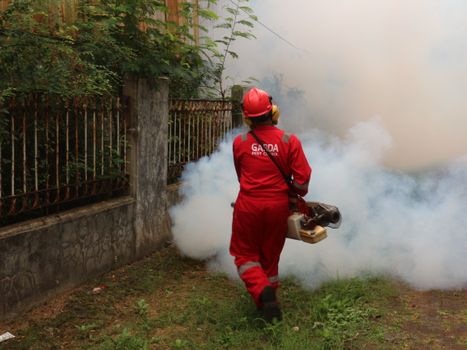
You find a promising job advertisement, but the duties range from inspecting kitchens to applying pesticides and explaining treatments to anxious customers. Do you need a special degree? Is the work safe? And what should you include in your application? Most entry-level pest control vacancies do not require advanced education, but employers look closely at reliability, safety awareness, customer service, physical readiness and the ability to follow detailed instructions.
What does a pest control worker do?
Pest control work involves much more than spraying chemicals. Technicians investigate why pests are present, identify the species involved and choose a suitable way to control the problem. They may serve homes, restaurants, warehouses, schools, offices, hospitals and other properties.
Common responsibilities include:
- Inspecting buildings, gardens and surrounding areas for pests or signs of infestation
- Identifying insects, rodents, termites and other unwanted animals
- Finding entry points, nesting areas, moisture problems and food sources
- Selecting appropriate traps, baits, barriers or pesticide treatments
- Measuring treatment areas and preparing service estimates
- Applying products according to label directions and legal requirements
- Recording the products, quantities and methods used during each visit
- Explaining treatments, precautions and follow-up steps to customers
- Cleaning and maintaining application equipment
- Returning to treated properties to evaluate results
Many companies use integrated pest management. This approach combines monitoring, sanitation, repairs, exclusion methods, traps and carefully selected pesticides rather than relying on routine spraying alone. A technician might recommend sealing a pipe opening, removing standing water or changing food-storage practices before considering chemical treatment.
Where and when is the work performed?
Pest control workers travel between customer locations, so a typical day may involve substantial driving. Work can take place indoors, outdoors, in basements, on roofs, inside attics or under buildings. Technicians may need to kneel, climb, lift equipment or crawl through confined areas while looking for droppings, damaged materials, nests and entry points.
Most positions are full time, although schedules vary. Evening and weekend appointments are common because residential customers may need service outside standard working hours. Commercial facilities may also arrange treatments when employees or customers are not present.
The job can be physically uncomfortable. Attics may be hot, crawl spaces may be cramped and outdoor appointments continue in different weather conditions. Applicants should consider whether they can remain careful and professional in these environments.
What qualifications do employers expect?
A high school diploma or equivalent is commonly sufficient for entry-level work. The U.S. Bureau of Labor Statistics overview of pest control workers explains that workers typically receive on-the-job training and that state laws require licensing.
Licensing rules differ by state and may also depend on the kind of treatment being performed. A new employee may begin under supervision while completing classroom instruction, practical training and an examination. Specialized work involving termites, fumigation or particular pesticide categories may require additional credentials.
Employers frequently seek candidates with:
- A valid driver’s license and acceptable driving record
- Clear verbal and written communication
- Basic arithmetic for measurements, mixing instructions and estimates
- Attention to detail and accurate recordkeeping
- Customer-service experience
- The ability to work independently and manage appointments
- Comfort using mobile applications or digital service reports
- Willingness to complete licensing and continuing education
- Physical capacity to bend, kneel, climb and carry equipment
Previous pest control experience can help, but it is not always necessary. Work in delivery, maintenance, landscaping, cleaning, construction, hospitality or retail may provide transferable skills. For example, a delivery driver understands route planning, while a restaurant employee may already appreciate sanitation standards and customer communication.
Is pest control work safe?
Pest control involves manageable but genuine occupational hazards. Pesticides can cause harmful effects if they are inhaled, swallowed or absorbed through the skin, depending on the product, concentration and level of exposure. Workers may also encounter bites, stings, contaminated waste, ladders, heavy equipment, extreme temperatures and awkward working positions.
Training and consistent procedures are essential. Technicians must read and follow pesticide labels, which specify approved uses, application rates, personal protective equipment, first-aid directions and other precautions. Required equipment may include chemical-resistant gloves, protective clothing, goggles or a properly fitted respirator. The correct protection depends on the product and task.
Protective equipment can increase heat strain, particularly in warm, poorly ventilated spaces. Workers should follow employer procedures for hydration, rest periods and recognizing heat-related symptoms. Pesticide-contaminated protective clothing should be handled and cleaned according to workplace instructions rather than mixed casually with household laundry.
Eye or skin irritation, nausea, dizziness, headache or breathing difficulty after a possible exposure should never be ignored. A worker should stop the task, move away from the exposure when safe, notify a supervisor and follow the product label and workplace emergency procedure. Severe breathing problems, loss of consciousness or other serious symptoms require immediate emergency assistance.
How to build a stronger application
Adapt your résumé to the position
Read the vacancy carefully and use truthful examples that match its responsibilities. If the employer mentions route work, inspections or customer education, highlight experience involving independent travel, problem-solving or explaining procedures. Avoid sending a generic résumé that says little about how you would perform the job.
Show evidence instead of listing traits
Rather than simply claiming to be reliable, describe responsibilities that demonstrate reliability. You might mention managing a daily delivery route, documenting maintenance checks, handling customer complaints or following workplace safety procedures. Specific examples make an application more credible.
Address licensing honestly
If you already hold an applicator license, state its category, issuing authority and current status. If you are not licensed, do not imply otherwise. Explain that you are prepared to complete employer training and meet the licensing requirements in your state.
Prepare for practical interview questions
An interviewer may ask how you would respond to a frightened customer, an unidentified pest or a treatment that did not work as expected. Strong answers emphasize inspection, accurate identification, label compliance, clear communication, documentation and asking a supervisor when a situation falls outside your training.
You may also be asked whether you can work in tight spaces, drive throughout the day or handle occasional evening appointments. Answer honestly. Employers need technicians who understand the working conditions and can maintain safe performance over time.
Questions to ask before accepting an offer
A vacancy should be evaluated as carefully as an employer evaluates an applicant. Useful questions include:
- Is training paid, and who covers licensing fees?
- Which pest control categories will I be trained to handle?
- Does the company supply protective equipment and uniforms?
- Will I use a company vehicle or my own vehicle?
- How are evening, weekend and emergency appointments scheduled?
- Is compensation hourly, salaried, commission-based or a combination?
- How is pesticide exposure or an equipment spill reported?
- What opportunities exist for specialization or promotion?
Clear answers can help you distinguish a well-managed employer from one that treats training and safety as afterthoughts. Be cautious if a company expects unlicensed workers to apply restricted products, discourages reporting incidents or fails to provide required protective equipment.
Possible career paths
Experience can lead to roles such as senior technician, termite specialist, wildlife control worker, fumigation technician, route supervisor, inspector, trainer or operations manager. Some experienced professionals establish their own businesses after meeting licensing, insurance and local business requirements.
Not every role requires daily visits to customer properties. Scheduling, sales, customer support, compliance, technical consulting and remote inspection support may offer alternatives. Applicants interested in different working arrangements can also explore global opportunities in remote pest control careers.
The strongest candidates for pest control vacancies are not necessarily those with the longest employment history. Employers need people who arrive on time, observe carefully, communicate respectfully and take safety rules seriously. A focused résumé, honest explanation of your qualifications and clear understanding of the job can make an entry-level application much more competitive.