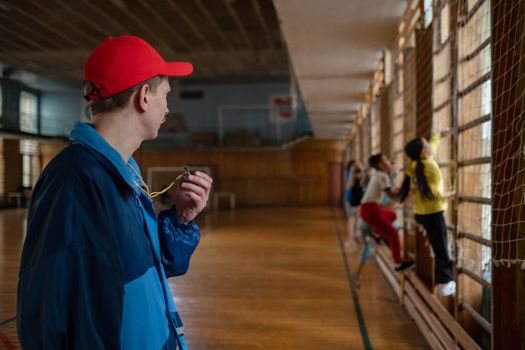
You enjoy movement, sports, and helping others build confidence—but does that mean becoming a gym teacher is your only career option? Not at all. Physical education jobs include classroom teaching, adapted physical education, coaching, recreation programming, athletic administration, wellness education, and curriculum leadership. The right path depends on the age group you want to serve, the setting you prefer, and how much education you are prepared to complete.
What do physical education professionals actually do?
Modern physical education is about more than supervising games. Teachers plan standards-based lessons that help students develop motor skills, physical fitness, teamwork, safety awareness, and knowledge they can use throughout life. They also assess progress, adapt activities, manage equipment, communicate with families, and work with other educators.
This work can make a practical difference in students’ daily lives. Federal physical activity guidance recommends that children and adolescents ages 6 through 17 get at least 60 minutes of moderate-to-vigorous physical activity each day. That total should include aerobic activity, along with muscle-strengthening and bone-strengthening activity on at least three days per week. PE classes can help students work toward these goals while teaching them how to exercise safely and enjoyably.
Common physical education jobs
Your career options may include positions inside and outside traditional schools:
- Elementary PE teacher: Introduces movement concepts, coordination, balance, games, and age-appropriate fitness activities.
- Middle or high school PE teacher: Teaches fitness principles, individual and team activities, personal goal setting, and sometimes health education.
- Adapted physical education teacher: Modifies instruction for students with disabilities so they can participate safely and meaningfully.
- Athletic coach: Develops sport-specific skills, organizes practices, manages competition, and supports athletes’ development.
- Recreation or youth program leader: Plans activities through community centers, camps, nonprofit organizations, and parks departments.
- Fitness or wellness educator: Provides activity instruction in fitness centers, community programs, workplaces, or health-focused organizations.
- Athletic director: Oversees sports programs, schedules, budgets, facilities, staff, policies, and event operations.
- Curriculum specialist or instructional coordinator: Helps schools select teaching materials, train educators, and evaluate physical education programs.
- College instructor: Teaches subjects such as kinesiology, coaching, health education, or teacher preparation at a college or university.
How to enter the field
Earn the appropriate degree
Public school PE teachers generally need at least a bachelor’s degree. Common majors include physical education, health and physical education, kinesiology, exercise science, or education with a physical education concentration.
A teacher-preparation program typically combines academic coursework with supervised classroom experience. Courses may cover anatomy, exercise physiology, motor development, teaching methods, classroom management, assessment, inclusive instruction, and injury prevention. Student teaching is especially important because it allows you to plan and lead lessons under the supervision of an experienced educator.
Meet state licensing requirements
Every state requires public school teachers to hold an appropriate teaching license or certification. Requirements vary, but commonly include an approved bachelor’s program, student teaching, background screening, and passing general teaching and subject-area examinations. Some states issue separate licenses for different grade ranges or require additional preparation to teach health.
People who already hold a bachelor’s degree may qualify for an alternative certification program. These programs provide the education coursework and supervised experience needed to move into teaching without completing another traditional undergraduate degree.
Private schools may not be legally required to hire state-licensed teachers, although they commonly prefer applicants with relevant degrees, teaching experience, or professional credentials. Before selecting a college program, check the licensing rules in the state where you intend to work.
Build safety and instructional skills
Employers may expect current first aid, cardiopulmonary resuscitation, and automated external defibrillator training, particularly for jobs involving athletics or recreation. Requirements differ by employer and location.
Successful educators must also know how to recognize when a student should stop an activity and follow the school’s emergency procedures. They should modify lessons according to documented health needs and disability accommodations rather than attempting to diagnose or treat medical conditions.
What employers look for
Athletic ability can be helpful, but employers are usually more interested in whether you can teach diverse groups safely and effectively. Strong candidates demonstrate:
- Clear communication and age-appropriate instruction
- Positive classroom and behavior management
- Ability to include students with different skills and needs
- Knowledge of fitness, movement development, and safe activity design
- Reliable planning, organization, and recordkeeping
- Patience with students who feel anxious or self-conscious about exercise
- Collaboration with families, teachers, nurses, and special education teams
- Professional judgment during injuries, conflicts, or emergencies
Experience can begin before graduation. Consider assisting with youth sports, working at a summer camp, leading recreation activities, observing PE classes, or serving as a classroom aide. These opportunities help you confirm which age group and work setting suit you best.
Salary and employment outlook
Pay varies according to location, school district, degree level, experience, and additional responsibilities. PE teachers are generally included within broader teacher categories rather than reported as a separate national occupation. According to the Bureau of Labor Statistics profile for high school teachers, the median annual wage for high school teachers was $72,040 in May 2025. That figure should not be interpreted as a guaranteed PE teacher salary.
Employment for high school teachers is projected to show little or no change from 2025 through 2035, but openings are still expected as current educators retire, leave the workforce, or change occupations. Local demand can differ considerably because hiring is affected by student enrollment, public budgets, teacher turnover, and state education policies.
How to move up in physical education
Career advancement does not always require leaving teaching. Experienced educators may become mentor teachers, department chairs, head coaches, district trainers, or leaders of school wellness initiatives. Taking responsibility for curriculum development, assessment, inclusive programming, or staff training can demonstrate leadership.
Additional credentials may open more specialized roles. An adapted physical education endorsement can prepare you to work more extensively with students who have disabilities. Graduate study in curriculum and instruction, educational leadership, athletic administration, or a related field may support advancement into instructional coordinator, athletic director, assistant principal, or principal positions. Administrative jobs usually have separate state licensing and experience requirements.
Some professionals move toward rehabilitation or clinical work after discovering an interest in human movement and recovery. That transition requires substantially different education and licensing, so review the steps and education requirements for becoming a physical therapist before treating it as a direct extension of a PE degree.
Planning your next step
Start by deciding whether you want to teach, coach, manage programs, or work in fitness and wellness. Then compare accredited degree programs, your state’s licensing requirements, and job descriptions from nearby employers. Look closely at required credentials rather than relying on the position title alone.
Physical education jobs reward people who can combine movement knowledge with patience, organization, safety awareness, and inclusive teaching. By gaining practical experience early and choosing credentials that match your intended setting, you can enter the field with a clear direction and continue advancing as your interests develop.