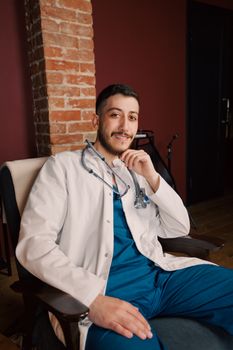
Your child wakes up with a fever, your spouse needs help managing high blood pressure, and you have been putting off a routine checkup. Do you need three different doctors? Often, one family medicine physician can address all of these needs. So, what does a family medicine doctor do? This type of physician provides broad, ongoing health care for people of nearly every age, treating common illnesses, preventing disease, managing chronic conditions and coordinating specialized care when necessary.
What Does a Family Medicine Doctor Do?
A family medicine doctor is often the first physician a patient contacts about a new symptom or health concern. Rather than focusing on one organ, disease or age group, family physicians are trained to evaluate the whole person. They may care for infants, children, teenagers, adults and older adults—sometimes treating several generations of the same family.
According to the American Academy of Family Physicians’ overview of family medicine, family physicians provide comprehensive care across the lifespan and help patients navigate referrals, hospital services and follow-up care.
Their daily responsibilities commonly include:
- Diagnosing and treating short-term illnesses, such as respiratory infections, stomach problems and urinary tract infections
- Evaluating symptoms such as headaches, fatigue, dizziness, rashes and joint pain
- Providing physical exams, wellness visits and health-risk assessments
- Ordering and interpreting laboratory tests, imaging studies and other diagnostic tests
- Prescribing medications and monitoring their effectiveness and side effects
- Managing chronic conditions such as diabetes, asthma, high blood pressure and heart disease
- Administering or recommending vaccinations
- Providing age-appropriate health screenings and preventive counseling
- Addressing common mental and behavioral health concerns
- Referring patients to specialists and coordinating care among multiple clinicians
Preventive Care Is a Major Part of the Job
You do not need to feel sick to visit a family medicine doctor. Preventive care is one of the specialty’s central responsibilities. During a routine appointment, the physician may review family history, medications, sleep, nutrition, physical activity, sexual health, tobacco or alcohol use and emotional well-being.
The doctor may also recommend screenings based on the patient’s age, medical history and risk factors. These can include checks for high blood pressure, high cholesterol, certain cancers, diabetes, depression and other conditions. Recommendations are individualized because two people of the same age may have very different health risks.
This long-term approach can make everyday care more connected. A physician who knows that a patient has a family history of heart disease, for example, can consider that information when evaluating chest discomfort, discussing lifestyle choices or deciding which tests may be appropriate.
How Family Doctors Manage Chronic Conditions
Chronic illnesses usually require care over months or years rather than a single appointment. Family physicians regularly monitor these conditions, adjust treatment plans and help patients make practical changes at home.
For a patient with diabetes, that might involve reviewing blood sugar results, checking medications, discussing eating habits and arranging eye or foot care. For someone with asthma, the physician may evaluate symptoms, review inhaler technique and update an action plan. When a condition becomes complicated, the family doctor can involve an endocrinologist, pulmonologist, cardiologist or another specialist while continuing to oversee the patient’s overall care.
This coordination is especially important for people taking several medications or seeing multiple clinicians. The family physician can help identify overlapping treatments, keep track of test results and explain how recommendations from different specialists fit together.
Do Family Medicine Doctors Perform Procedures?
Many family physicians perform office-based procedures, although the services available depend on the doctor’s training, practice setting, credentials and available equipment. Common examples may include:
- Stitching minor cuts
- Draining certain abscesses
- Removing or sampling some skin growths
- Freezing warts or other selected skin lesions
- Giving joint or soft-tissue injections
- Applying splints for certain injuries
- Providing reproductive health procedures
Some family physicians also provide prenatal or maternity care, hospital care, emergency services or more advanced procedures. Others work primarily in an outpatient clinic and refer patients when a service falls outside their scope.
Family Medicine Versus Other Primary Care Specialties
Family medicine overlaps with internal medicine and pediatrics, but the specialties are not identical. Pediatricians focus primarily on infants, children and adolescents. Internal medicine physicians generally provide comprehensive care for adults. Family physicians are trained to care for both children and adults, including older adults.
A family physician is also different from an emergency physician. Family doctors provide continuity, prevention and long-term management, while emergency departments are designed to treat urgent or life-threatening problems. Severe chest pain, major breathing difficulty, signs of a stroke, serious trauma or loss of consciousness requires emergency evaluation rather than a routine office visit.
Education and Training Required
The career path begins with undergraduate education and completion of medical school prerequisites. Aspiring physicians then attend an accredited medical school and earn either a Doctor of Medicine degree or a Doctor of Osteopathic Medicine degree. Medical school generally takes four years and combines classroom instruction with supervised clinical rotations.
Graduates pursuing family medicine enter a residency program. Accredited family medicine residency training in the United States lasts 36 months and includes experience across areas such as adult medicine, pediatrics, obstetrics and gynecology, behavioral health, surgery, emergency care and community medicine.
Students considering this profession can explore the broader timeline in this guide to how long it takes to become a doctor.
Physicians must also meet state licensing requirements, which include passing the appropriate medical licensing examinations. Many family physicians pursue board certification after residency by meeting professional requirements and passing a specialty examination. Board certification is distinct from a medical license and demonstrates specialty-specific knowledge. Physicians must continue learning throughout their careers to keep their knowledge current and maintain applicable credentials.
Career Options in Family Medicine
Family medicine offers a wider range of work settings than many people realize. Physicians may work in private practices, medical groups, community health centers, hospitals, urgent care clinics, rural health facilities, universities, government agencies or telemedicine programs. Some become hospitalists, educators, researchers, medical directors or public health leaders.
Optional fellowship training can provide additional expertise in areas such as sports medicine, geriatric medicine, addiction medicine, adolescent medicine, hospice and palliative medicine or obstetric care. A fellowship is not necessary for a physician to begin practicing general family medicine after residency, but it can support a more focused career.
What Makes Someone Well Suited to This Career?
Because family physicians encounter a wide variety of concerns, they need strong clinical judgment and must be comfortable with uncertainty. A vague complaint such as fatigue could have many possible causes, so the doctor must listen carefully, ask focused questions and decide whether testing, treatment, monitoring or referral is appropriate.
Communication and relationship-building are equally important. Family doctors often discuss sensitive subjects, explain complicated choices and help patients balance medical advice with work, finances, caregiving responsibilities and personal preferences. Curiosity, adaptability, empathy and a commitment to lifelong learning are valuable qualities in this field.
The Role in Everyday Health Care
For many people, a family medicine doctor serves as the home base of medical care. The physician can handle routine needs, recognize changes over time and connect the patient with additional services when needed. That does not mean a family doctor treats every condition independently. It means the patient has a knowledgeable professional who can evaluate the situation, begin appropriate care and guide the next steps.
Ultimately, the answer to “what does a family medicine doctor do?” is broader than treating coughs or conducting annual physicals. Family physicians combine preventive care, diagnosis, treatment, chronic disease management and care coordination within an ongoing relationship. Their broad training allows them to support patients through many stages of life while keeping the complete health picture in view.