
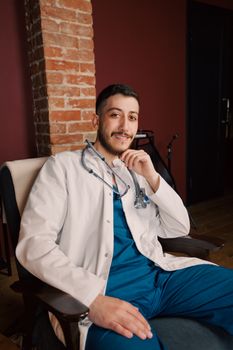
Deciding to pursue a career in medicine is a significant commitment, and a common question among aspiring physicians is: how long does it take to become a doctor? The journey is a demanding and lengthy one, involving several years of education, training, and hands-on experience. Here, we’ll break down each phase of the process, providing a clear picture of what it takes to enter into this noble profession.
Understanding the Timeline: How Long Does It Take to Become a Doctor?
The path to becoming a doctor typically spans approximately 11 to 16 years. This time frame includes undergraduate education, medical school, and residency training. Let’s delve into each stage to understand how long it takes at each step.
Undergraduate Education: Laying the Foundation (4 Years)
Prospective doctors generally start with a bachelor’s degree, which lasts about four years. While there is no specific pre-medical major required, students often opt for majors in biology, chemistry, or physics to meet medical school prerequisites. During this time, students are encouraged to excel academically and participate in extracurricular activities such as volunteer work or research, which can strengthen their medical school applications.
For more information on preparing during your undergraduate years, consider exploring anatomy and physiology online courses to deepen your foundational knowledge.
Medical School: Building Medical Expertise (4 Years)
Medical school is typically another four-year journey. The curriculum is divided into two phases: the first two years are focused on classroom-based learning in sciences such as anatomy, pharmacology, and ethics. The final two years involve clinical rotations in different specialties, offering hands-on experience under supervision in various healthcare settings. This stage is critical in helping students decide which medical field they would like to specialize in.
Residency: Specialized Training (3-8 Years)
Upon completing medical school, graduates must enter a residency program, which offers specialized training in a particular field of medicine. Residency length varies depending on the specialty, ranging from three years for general practice to eight years for highly specialized fields like neurosurgery. Residency not only imparts advanced knowledge but also empowers residents with the practical skills necessary to perform independently.
Fellowship: Pursuing Super-Specialization (Optional, 1-3 Years)
Some physicians opt to further subspecialize by undertaking a fellowship, which can last an additional one to three years. Fellowships allow doctors to hone skills in niche areas like cardiology or oncology, offering even more targeted expertise.
Licensing and Board Certification
In the United States, physicians must obtain a medical license before they can practice. This involves passing a series of exams, such as the United States Medical Licensing Examination (USMLE), and complying with state requirements. Many doctors also pursue board certification in their specialty, which involves additional exams and demonstrates a high level of expertise.
For further detailed statistics on the steps to medical licensing, you might want to check resources available at Bureau of Labor Statistics.
Why the Long Training Period?
The extensive training ensures that doctors are well-prepared to handle the complexities of diagnosing and treating different medical conditions. Medicine is a rapidly evolving field, and doctors must be equipped with up-to-date knowledge and skills. The lengthy training period also ensures that physicians build the critical experience necessary to make life-and-death decisions.
Additionally, during residency and fellowship, doctors are exposed to a broad array of cases, which helps in developing essential problem-solving abilities and patient care skills. This experience reinforces their academic knowledge with practical application, vital for their confidence and competence as practicing doctors.
Career Considerations: How Many Years Does It Take to Become a Medical Doctor Worldwide?
The duration and structure of medical education and training can vary widely across different countries. In some regions, it might be common for students to enter medical school directly from high school, shortening the overall training time. However, regardless of location, the commitment to thorough preparation remains consistent, emphasizing the importance of skilled practitioners within the healthcare system.
Interested in comparative educational systems worldwide? You can explore more about it through global educational resources.
The Journey’s Challenges and Rewards
While the journey to becoming a doctor is undoubtedly challenging, it is also highly rewarding. Doctors play a crucial role in society, helping improve and save lives, which is a gratifying experience. The path requires a deep commitment, perseverance, and a passion for helping others, but it offers a fulfilling career with substantial job security and intellectual stimulation.
In addressing the question how long does it take to become a doctor, it’s important for prospective students to consider both the time investment and the personal resilience needed for this fulfilling career.
- The typical path to becoming a doctor involves 11-16 years of education and training.
- Undergraduate studies generally take 4 years, followed by 4 years of medical school.
- Residency ranges from 3-8 years, depending on the specialty chosen.
- Optional fellowship training can add an additional 1-3 years.
- Licensing and board certification are critical final steps.
FAQ
What is the cost of medical education?
Medical education can be costly, with expenses varying by country and type of school. Many students rely on scholarships, loans, and financial aid.
Can I work during medical school?
While it is possible to work during medical school, the rigorous nature of the program means that many students find it challenging to balance work and studies.
What factors should I consider when choosing a medical specialty?
Consider your interests, lifestyle preferences, and career goals. Exposure to various specialties during medical school can aid in decision-making.
How important is research experience for aspiring doctors?
Research experience can bolster medical school applications and is beneficial for those interested in academia or specialized research fields.
Do all doctors need to complete a fellowship?
No, fellows are optional and generally pursued by those wishing to gain more expertise in a subspecialty or a niche field of medicine.

