
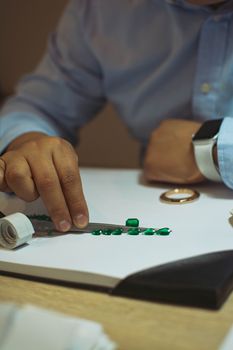
You may love jewelry, enjoy working with your hands, and still wonder whether you are “creative enough” or need an expensive degree to enter the field. In reality, becoming a jeweler is less about having one perfect credential and more about developing reliable bench skills, understanding materials, and showing employers or customers what you can make and repair.
If you are asking how to become a jeweler, the short answer is that you can learn through a trade program, an apprenticeship, on-the-job training, independent practice, or a combination of these routes. Your best path depends on whether you want to create original pieces, repair jewelry, set stones, work in retail, or run your own business.
What Does a Jeweler Actually Do?
A jeweler may design and fabricate new pieces, resize rings, replace clasps, repair chains, set gemstones, polish metal, create wax models, or use computer-aided design software. Some jewelers specialize in one area, while those working in small shops may handle everything from customer consultations to final polishing.
It also helps to distinguish related roles. A jewelry designer develops concepts and may create drawings or digital models, while a bench jeweler performs hands-on fabrication and repair. A gemologist focuses on identifying and evaluating gemstones. These roles can overlap, especially in independent studios. Readers interested primarily in the creative side can explore this guide to becoming a jewelry designer.
Do You Need a Degree to Become a Jeweler?
A college degree is not usually required. According to the U.S. Bureau of Labor Statistics overview of jewelers and precious stone and metal workers, people typically enter the occupation with a high school diploma and develop their abilities through long-term on-the-job training. Some complete an apprenticeship or attend a trade school.
Formal education can still be useful because it provides access to tools, supervised practice, structured assignments, and instructor feedback. Programs may cover metalsmithing, casting, soldering, stone setting, repair, gemology, engraving, and computer-aided design. Before enrolling, compare the amount of bench time, class size, instructor experience, equipment access, and total cost.
Self-teaching is possible, particularly for basic fabrication, but working with torches, chemicals, machinery, and valuable materials requires careful instruction. A short in-person class can help you establish safe habits before building a home workspace.
Essential Skills to Develop
Bench and fabrication skills
Begin with measuring, sawing, filing, sanding, drilling, forming, soldering, and polishing. Practice making clean joins and consistent shapes rather than rushing toward elaborate designs. Employers often value accurate, repeatable work more than complicated pieces with uneven finishing.
Repair and problem-solving
Repair work can provide a practical way into the industry. Jewelers must diagnose damage, select an appropriate technique, estimate labor and material costs, and avoid harming stones or delicate settings. Resizing rings, repairing chains, replacing findings, and refinishing worn pieces are useful foundational abilities.
Stone setting and material knowledge
Stone setting demands patience, controlled tool use, and an understanding of how gemstones respond to heat, pressure, chemicals, and impact. Learn the properties of common metals and stones before attempting repairs. A technique that is safe for one piece may permanently damage another.
Digital and business skills
Computer-aided design, product photography, inventory management, pricing, and customer communication can make you more employable. Independent jewelers also need to track expenses, calculate margins, set realistic delivery dates, and explain care instructions clearly.
Attention to safety
Jewelry work may involve sharp tools, rotating equipment, hot metal, fumes, dust, and caustic chemicals. Appropriate eye protection, ventilation, protective equipment, tool maintenance, and safe chemical storage are essential. Good posture, adequate lighting, and regular breaks also matter because bench work often involves long periods of close, detailed activity.
How to Build a Strong Jewelry Portfolio
Your portfolio should demonstrate what you can do, not simply show every item you have made. Aim for a focused collection of approximately 10 to 15 strong examples. The exact number matters less than the quality and variety of the work.
- Include clear photographs of finished pieces from multiple angles.
- Show close-ups of solder joints, settings, clasps, and surface finishes.
- Identify the materials and techniques used for each project.
- Add before-and-after images of repairs when you have permission.
- Include sketches, wax models, or digital renderings if design is part of your process.
- Present a few related pieces to show that you can develop a consistent collection.
Photograph jewelry against a clean background in soft, even light. Remove dust and fingerprints, check that the piece is in focus, and avoid filters that misrepresent metal or gemstone colors. If a project contains visible flaws, remake it before adding it to your portfolio.
A physical portfolio can be useful during interviews, but a simple digital version is easier to share. Organize projects by skill, such as fabrication, repair, stone setting, engraving, or digital design. Brief captions should explain your role, especially if you completed a project as part of a team.
Ways to Break Into the Jewelry Industry
Apply for entry-level retail positions
Jewelry sales can teach you about product construction, customer preferences, sizing, warranties, repair intake, and security procedures. Tell the employer that you want to develop technical skills, and ask whether sales employees can observe or assist the repair department.
Seek an apprenticeship or trainee role
Contact independent jewelers, repair shops, manufacturers, and custom studios. Instead of asking only whether they are hiring, introduce yourself briefly, share your portfolio, and explain which skills you already have. Be willing to begin with polishing, cleaning, inventory, or basic shop tasks while demonstrating reliability.
Use production work as a starting point
A manufacturing environment may allow you to practice one process repeatedly, such as polishing, casting preparation, assembly, or stone setting. Repetition can build speed and consistency, although you may need additional training to become a versatile bench jeweler.
Start small as an independent maker
Sell a limited collection rather than accepting every custom request immediately. Test each design for comfort, strength, finishing quality, and wearability. Calculate the cost of metal, stones, findings, packaging, labor, payment fees, and possible remakes before setting a price.
A Practical First-Year Plan
- Choose an initial focus, such as fabrication, repair, stone setting, or design.
- Take a beginner course or find supervised instruction in safe tool use.
- Practice core techniques several times each week using affordable materials.
- Create a small portfolio of finished, carefully photographed projects.
- Visit local jewelry businesses and apply for sales, polishing, production, or trainee positions.
- Request specific feedback and improve weak areas rather than continually starting new projects.
- Add advanced techniques only after you can complete basic work accurately and consistently.
How Long Does It Take to Become a Jeweler?
You can learn basic jewelry-making techniques within several months, but professional proficiency usually takes sustained practice and workplace experience. Repair, advanced stone setting, engraving, and complex fabrication may require years to master. Progress depends on the specialty, quality of instruction, practice time, and variety of work you encounter.
Ultimately, how do you become a jeweler who employers and customers trust? Build sound technical habits, document your best work, learn from experienced professionals, and treat every piece as both a creative object and a responsibility. A modest but well-finished portfolio, dependable work habits, and a willingness to keep learning can open more doors than credentials alone.

