
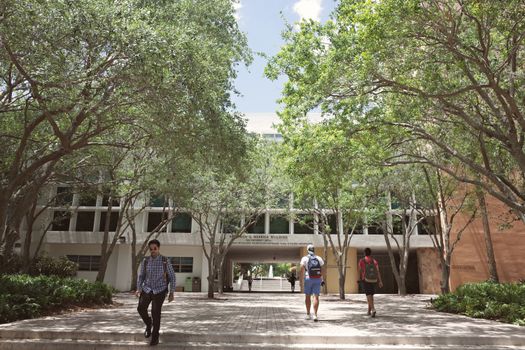
You may have found an old brochure, heard about the college from an alumnus, or seen Nyack College listed on a transcript and wondered, “Can I still apply?” The short answer is no. Nyack College became Alliance University in 2022, and the institution ended its New York and online educational offerings on August 31, 2023. Understanding that change is essential whether you are researching colleges, transferring unfinished credits, requesting academic records, or explaining your degree to an employer.
What happened to Nyack College?
Nyack College was a private Christian institution with roots reaching back to 1882. It began as the Missionary Training Institute in New York City, later relocated to South Nyack, and adopted the Nyack College name in 1972. Its history was closely connected to the Christian and Missionary Alliance, and faith, service, and preparation for ministry remained important parts of its identity.
Over time, the college expanded beyond theological education. It offered undergraduate and graduate study in areas such as business, education, nursing, social work, psychology, biology, criminal justice, music, organizational leadership, biblical studies, and ministry. It also operated Alliance Theological Seminary.
The institution consolidated its New York operations in Manhattan and changed its name to Alliance University in 2022. Following the withdrawal of institutional accreditation, educational operations in New York and online stopped effective August 31, 2023. The New York State Education Department’s Alliance University closure information confirms the closure date and provides guidance concerning transcripts, accreditation, and transfer arrangements.
Can students still enroll at Nyack College?
No. Nyack College and its successor, Alliance University, are not active options for new enrollment. Search results, archived program pages, third-party college profiles, and older printed materials may still make the institution appear available. Before submitting personal information or paying an application-related fee to any website, verify that you are dealing with a currently operating, authorized college.
Prospective students who were attracted to Nyack’s mission should focus on finding another institution with similar qualities. Depending on your goals, those qualities might include a Christian academic environment, small classes, service opportunities, urban learning, theological education, or support for adult and transfer students.
What academics was Nyack College known for?
Nyack developed from a ministry-training school into a broader liberal arts and professional institution. Its curriculum combined general education with career-focused and faith-based study. Students could pursue traditional undergraduate degrees, professional preparation, graduate education, and seminary programs.
Several academic areas reflected the school’s original mission, including biblical studies, pastoral ministry, intercultural studies, and worship-related programs. Other offerings prepared students for work in schools, businesses, social-service organizations, health care, churches, and community programs.
For former students, the exact catalog year matters. Degree requirements, course titles, credit totals, and professional standards can change over time. A student who attended in one period should not rely on a program description from another year. Your transcript, degree audit, catalog, and course syllabi provide the most useful evidence of what you completed.
What was student life like?
Student life at Nyack College was shaped by its Christian heritage and emphasis on service. Worship, ministry involvement, music, community outreach, leadership development, and faith-based discussions could be significant parts of the experience. The student community also included people from varied cultural, national, and denominational backgrounds.
The move from the former Rockland County campus to Manhattan changed the day-to-day environment. A traditional residential campus can create much of its social life through residence halls, dining facilities, athletics, and campus events. An urban setting often requires students to be more intentional about building relationships, joining organizations, and participating in activities around work or commuting schedules.
That distinction is useful when comparing colleges today. Some students want a close-knit faith community, while others prioritize major athletics, nightlife, Greek organizations, or large residential events. If social atmosphere is central to your decision, compare those priorities with this guide to colleges known for partying and student life. The best environment is not necessarily the busiest one; it is the setting where you can build relationships without losing sight of your academic and financial goals.
How can former students obtain Nyack College transcripts?
Closure does not erase a student’s completed coursework or awarded degree. Academic records are preserved so former students and graduates can document their education. New York State currently identifies Houghton University as the location associated with Alliance University transcript records, with ordering handled through the designated transcript process.
When requesting a transcript, use every name that may appear in the student record, including a former name. You may also need your dates of attendance, date of birth, student identification number, campus, and degree program. Confirm whether the employer, licensing board, or new college needs an official electronic transcript, a sealed paper copy, or both.
It is wise to keep a personal academic file containing:
- An unofficial transcript for quick reference
- Official degree and graduation information
- Relevant course descriptions and syllabi
- Copies of professional internship or field-placement records
- Licensure, certification, and examination documents
- Financial-aid and loan correspondence
What should transfer students do next?
If you attended Nyack College but did not finish your degree, begin by ordering a transcript and listing the courses you completed. Then identify accredited institutions offering a comparable program. Ask each college for a written transfer-credit evaluation rather than relying on a general estimate from a website or informal conversation.
Transfer decisions belong to the receiving institution. A college may accept a course as direct credit toward a major, count it only as an elective, or decline it because of differences in content, grades, credit hours, or program standards. Education, nursing, social work, counseling, and other professionally regulated programs may have additional rules involving clinical work, student teaching, field placements, or state licensure.
Questions to ask a prospective college
- How many of my completed credits will transfer?
- Which credits will satisfy major or general education requirements?
- How many credits must I complete in residence?
- Will my previous internships, practica, or clinical hours count?
- What is the estimated time and total cost to graduate?
- Does the program meet licensing requirements in the state where I plan to work?
- Are scholarships available specifically for transfer or adult students?
Choosing your next college carefully
Start with institutional accreditation, program availability, cost, location, and graduation requirements. For career-specific programs, investigate professional accreditation and state authorization as well. A college can seem similar to Nyack in size or mission while offering a very different academic pathway.
Also consider how the school fits everyday life. Commuting time, employment, family responsibilities, housing, religious community, disability support, and access to advising can determine whether a program is sustainable. Compare the net price after grants and scholarships, not simply the published tuition.
Nyack College remains part of the educational history of its alumni and former students, but it is no longer an operating institution. If you are planning your next step, focus on verified records, written transfer evaluations, current accreditation information, and a college that supports both your academic goals and the life you expect to lead outside the classroom.

