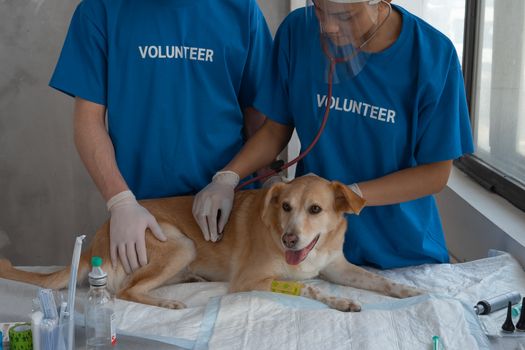
Your dog is trembling in the exam room, the veterinarian is moving between appointments, and another team member takes your pet’s history, draws blood, explains the upcoming tests, and calmly answers your questions. That person may be a veterinary technician. Far from simply “helping the vet,” vet techs provide hands-on nursing, laboratory, anesthesia, imaging, and client-support services that keep animal hospitals running safely.
So, what do vet techs do, and how is their role different from that of a veterinarian or veterinary assistant? Their exact responsibilities depend on state law, workplace policies, training, and the veterinarian’s level of supervision, but the career generally combines animal care with technical medical work.
What Does a Vet Tech Do During a Typical Day?
Veterinary technicians work under the supervision of licensed veterinarians. Much like nurses in human health care, they monitor patients, carry out treatment plans, collect clinical information, and help owners understand how to care for an animal at home.
A vet tech’s daily responsibilities may include:
- Recording an animal’s medical history, symptoms, weight, temperature, pulse, and breathing rate
- Safely handling or restraining animals during examinations and procedures
- Collecting blood, urine, stool, skin, or tissue samples
- Performing laboratory tests such as blood counts and urinalysis
- Taking X-rays and assisting with other diagnostic imaging
- Preparing patients, surgical instruments, and treatment areas for procedures
- Administering medications, vaccines, fluids, and treatments ordered by a veterinarian
- Administering and monitoring anesthesia when permitted and appropriately supervised
- Providing wound care, dental cleaning, emergency first aid, and postoperative nursing
- Maintaining detailed medical records
- Explaining medications, feeding instructions, activity restrictions, and follow-up care to owners
The balance of these duties changes throughout the day. A technician might begin by collecting a blood sample from a cat, monitor a dog under anesthesia later that morning, assist with an emergency in the afternoon, and finish by teaching an owner how to give medication at home.
What Vet Techs Cannot Do
Although veterinary technicians perform many medical tasks, they are not veterinarians. In general, they cannot independently diagnose an illness, determine a prognosis, prescribe medication, or perform surgery. Those responsibilities belong to a licensed veterinarian.
State veterinary practice laws determine which procedures technicians may perform and what type of supervision is required. For example, a technician may be able to administer anesthesia or provide certain dental services, but only under the direction of a veterinarian and within the rules of that jurisdiction.
How Vet Techs Affect a Pet’s Care
For pet owners, the vet tech is often one of the most visible members of the clinical team. Technicians may notice changes in an animal’s breathing, comfort, behavior, or vital signs while the veterinarian is treating another patient. They communicate those observations so the veterinarian can make informed medical decisions.
Vet techs also help translate a treatment plan into manageable steps. If your pet needs several medications, a special diet, incision monitoring, or restricted activity, the technician may demonstrate what to do and explain which changes should prompt a call to the clinic. Asking questions during this conversation can help prevent dosing mistakes and confusion after you return home.
Where Do Veterinary Technicians Work?
Many vet techs work in small-animal clinics and hospitals, caring primarily for dogs and cats. However, the field includes a much wider range of workplaces and species. Employment options may include:
- Emergency and specialty animal hospitals
- Equine and livestock practices
- Animal shelters and humane organizations
- Zoos, aquariums, and wildlife facilities
- Diagnostic and biomedical research laboratories
- Veterinary schools and colleges
- Government, public health, food safety, and military programs
- Animal health and veterinary supply companies
Technicians in research settings may collect and prepare samples, maintain study records, and support the humane care of research animals. Those in emergency hospitals may focus on triage, intensive monitoring, oxygen therapy, and rapid laboratory testing.
Vet Tech, Vet Technologist, and Veterinary Assistant: What Is the Difference?
A veterinary technician typically completes a two-year associate degree in veterinary technology. A veterinary technologist generally completes a four-year bachelor’s degree and may pursue advanced responsibilities in areas such as research, management, education, or specialized clinical care. Employers sometimes use the terms interchangeably, so job duties may not be identical from one workplace to another.
A veterinary assistant usually receives more training on the job and may not be required to earn a college degree or professional credential. Assistants commonly clean and prepare rooms, feed and exercise animals, help with restraint, sterilize equipment, and perform other supportive tasks. A credentialed vet tech has more formal education in subjects such as anatomy, pharmacology, anesthesia, radiology, laboratory procedures, and nursing care.
Education and Credentialing Requirements
The usual starting point is an associate degree from a veterinary technology program, preferably one accredited by the American Veterinary Medical Association’s Committee on Veterinary Technician Education and Activities. Programs combine classroom instruction with laboratory practice and supervised clinical experience.
Coursework commonly covers animal anatomy and physiology, medical terminology, pharmacology, anesthesia, surgical nursing, diagnostic imaging, parasitology, clinical pathology, dentistry, and animal handling. Students generally train with more than one species and must demonstrate practical skills before graduating.
After completing an eligible educational pathway, many graduates take the Veterinary Technician National Examination. Credentialing requirements vary by state, and successful technicians may be designated as registered veterinary technicians, licensed veterinary technicians, or certified veterinary technicians. Prospective students should check their state veterinary board’s rules before selecting a program because education, examination, application, and continuing-education requirements are not uniform nationwide.
Becoming a vet tech is a shorter educational path than becoming a veterinarian. Readers comparing the two careers can review how long veterinary school takes and what the veterinarian training path involves.
Skills That Matter in Veterinary Technology
Loving animals is helpful, but it is not enough by itself. Successful technicians need strong communication, observation, math, organization, and problem-solving skills. They must calculate medication amounts carefully, maintain accurate records, operate medical equipment, and remain calm around frightened or painful animals.
The work can also be physically and emotionally demanding. Technicians may lift heavy patients, spend long periods standing, work nights or holidays, and face bites, scratches, kicks, infectious materials, and radiation hazards. Proper restraint methods, protective equipment, hygiene, and workplace safety procedures are essential. Technicians also support families through serious diagnoses and end-of-life decisions, which requires empathy and emotional resilience.
Career Growth, Pay, and Specialization
According to the U.S. Bureau of Labor Statistics profile for veterinary technologists and technicians, the median annual wage was $47,380 in May 2025. Employment is projected to grow 9% from 2025 through 2035, with about 13,400 openings expected each year on average. Actual earnings vary by location, experience, schedule, specialty, and workplace.
Experienced credentialed technicians can pursue advanced training in areas such as anesthesia and analgesia, emergency and critical care, dentistry, internal medicine, clinical practice, behavior, nutrition, or zoological medicine. Others move into teaching, research, hospital leadership, practice management, industry sales, or public health roles.
Is This Career a Good Fit?
Veterinary technology may suit someone who wants a medical career involving animals but does not want to complete the longer doctoral path required for veterinarians. It offers varied, meaningful work and opportunities to develop specialized clinical skills. At the same time, candidates should realistically consider the physical demands, emotional stress, workplace hazards, scheduling requirements, and expected pay.
Ultimately, the answer to “what does a vet tech do?” is broader than assisting during appointments. Vet techs collect critical health information, provide skilled nursing care, monitor anesthesia, perform diagnostic procedures, educate owners, and advocate for animal comfort. Their work connects the veterinarian’s medical decisions with the patient’s moment-to-moment care.