
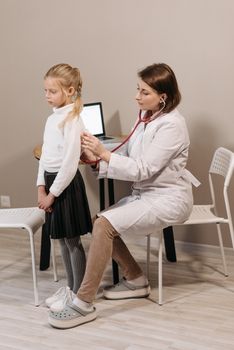
You may picture a pediatrician examining a child with a fever and wonder how many years of training stand behind that short appointment. The simple answer is that becoming a general pediatrician in the United States usually takes about 11 years after high school: four years of college, four years of medical school, and three years of pediatric residency.
The timeline may reach 14 years or longer for pediatricians who complete subspecialty fellowship training. Gap years, research programs, combined degrees, part-time training, or an unsuccessful residency application can also add time.
How Long Does It Take to Become a Pediatrician?
For most students following the traditional U.S. pathway, the education and experience timeline looks like this:
- Undergraduate degree: about 4 years
- Medical school: about 4 years
- Pediatrics residency: about 3 years
- Optional pediatric fellowship: commonly 1 to 3 additional years, depending on the field and program
That means a person who begins college at age 18 and progresses without a break may complete general pediatrics training at approximately age 29. This is only an estimate. Many future physicians take time between college and medical school to work, conduct research, strengthen their applications, or manage personal responsibilities.
The Association of American Medical Colleges’ overview of medical career preparation explains that physician education commonly takes 11 to 16 years, depending on the chosen specialty.
Stage 1: Complete a Bachelor’s Degree
The first step is normally a four-year undergraduate degree from an accredited college or university. Medical schools do not usually require a specific major, so applicants may study biology, chemistry, psychology, public health, or another subject that interests them.
Regardless of major, students must complete the prerequisite or competency requirements of the medical schools to which they plan to apply. These commonly include coursework in biology, chemistry, physics, mathematics, and English, although requirements differ among schools.
College is also the time to develop a competitive medical school application. Students often gain experience through physician shadowing, clinical volunteering, community service, research, or paid healthcare work. Working with children through schools, camps, clinics, or mentoring programs can help a student decide whether pediatrics is genuinely the right fit.
Most applicants also take the Medical College Admission Test, or MCAT. Preparing for the exam and completing the application process may require careful planning during the final undergraduate years.
Stage 2: Attend Medical School
Medical school generally lasts four years and leads to either a Doctor of Medicine degree or a Doctor of Osteopathic Medicine degree. Both MD and DO graduates can enter pediatrics residency programs and become licensed pediatricians.
The preclinical years
The early portion of medical school focuses heavily on the scientific foundations of medicine. Students study areas such as anatomy, physiology, pharmacology, pathology, microbiology, and clinical reasoning. They also begin learning how to interview patients, perform physical examinations, and communicate medical information clearly.
The clinical years
During clinical rotations, students work with healthcare teams in hospitals and outpatient settings. Required experiences commonly include internal medicine, surgery, family medicine, psychiatry, obstetrics and gynecology, and pediatrics.
A pediatrics rotation exposes students to preventive care, childhood development, acute illness, chronic disease, newborn care, and communication with families. Students who choose pediatrics then apply to residency programs, typically during their final year of medical school.
Medical students also complete licensing examinations during their education and postgraduate training. The exact schedule depends on whether they follow the USMLE pathway commonly used by MD students or the COMLEX-USA pathway used by osteopathic medical students.
Stage 3: Complete a Pediatrics Residency
After medical school, a future pediatrician completes a three-year pediatrics residency accredited for graduate medical education. Residency is not simply more classroom study. Residents are physicians who provide patient care under supervision while receiving a salary and progressively taking on greater responsibility.
Pediatric residents care for infants, children, adolescents, and young adults in multiple settings. Their training may include:
- General pediatric clinics
- Newborn nurseries
- Hospital inpatient units
- Neonatal and pediatric intensive care
- Emergency and urgent care
- Adolescent medicine
- Developmental and behavioral pediatrics
- Mental health care
- Pediatric subspecialty services
Residents learn to recognize serious illness, manage common childhood conditions, monitor growth and development, provide preventive care, and guide parents through medical decisions. They also become more independent as they demonstrate competence.
The three residency years are often called postgraduate year one, two, and three. Schedules can include nights, weekends, holidays, and on-call responsibilities. Although residency is demanding, it provides the practical experience needed to care for children safely without routine supervision.
Licensure and Board Certification
Becoming a pediatrician also involves obtaining a state medical license. Requirements vary by state but generally include graduating from an approved medical school, completing qualifying postgraduate training, and passing the required licensing examination sequence.
Board certification is a separate professional credential. After completing an eligible pediatrics residency, a physician may take the initial certification examination in general pediatrics. Board certification is not identical to state licensure, but many employers, hospitals, insurers, and families value it as evidence that a pediatrician has met specialty-specific standards.
Pediatricians must continue learning throughout their careers. Medical knowledge, vaccination recommendations, treatments, and clinical guidelines evolve, so physicians participate in continuing education and activities required to maintain licensure and certification.
When Does Fellowship Add More Time?
A physician can enter general pediatric practice after residency if licensing and employment requirements are met. Those who want advanced expertise may pursue a fellowship. Pediatric subspecialties include cardiology, endocrinology, gastroenterology, critical care, emergency medicine, infectious diseases, pulmonology, rheumatology, and neonatal-perinatal medicine.
Many pediatric fellowships take approximately three additional years, although length and certification requirements vary. A subspecialist may therefore spend about 14 years in education and clinical training after high school. Research, advanced degrees, chief residency, or other specialized experiences can extend the timeline further.
What Can Make the Process Longer or Shorter?
Eleven years is a useful baseline, not a guarantee. The total time may change because of:
- One or more gap years before medical school
- A combined bachelor’s and medical degree program
- An MD-PhD or another dual-degree program
- Research or academic leave
- Part-time or interrupted training
- Changing specialties during residency
- Repeating coursework or licensing examinations
- Completing a fellowship or additional certification
Students comparing healthcare careers should consider both the training time and the responsibilities they ultimately want. For example, the education and certification timeline for becoming an EMT is much shorter, but the scope of practice and daily role are very different.
How Long Does It Take to Become a Paediatrician in the UK?
Readers searching for how long does it take to become a paediatrician may be referring to the United Kingdom, where the pathway differs from the U.S. system. A standard UK medical degree commonly takes five years, followed by the two-year Foundation Programme. Paediatric specialty training has an indicative length of seven years and is based on achieving required capabilities.
Altogether, the traditional UK route may take about 14 years from entering medical school to completing paediatric specialty training. Graduate-entry medicine, less-than-full-time training, additional degrees, or time outside the training program can change that estimate.
Is the Long Training Period Worth It?
The answer depends on your interests, finances, and long-term goals. Pediatricians need patience, emotional resilience, scientific curiosity, and the ability to communicate with both children and adults. The extended training delays full professional earnings and may involve significant education costs, but residents begin receiving a salary once postgraduate training starts.
For someone who values long-term relationships with families, preventive medicine, child development, and the opportunity to improve health early in life, the path can be rewarding. The clearest planning estimate is 11 years after high school for general pediatrics in the United States, with additional years required for subspecialization or interruptions along the way.

