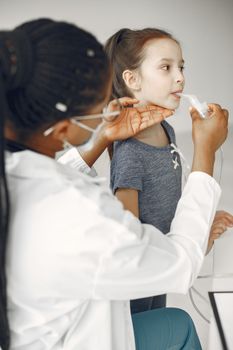
You may enjoy working with children but wonder whether that automatically means becoming a pediatrician. It does not. Pediatric jobs include clinical, administrative, therapeutic, educational, and family-support roles, with training requirements ranging from on-the-job instruction to more than a decade of higher education. The right starting point depends on how quickly you want to enter the workforce, which responsibilities interest you, and how much additional training you are prepared to complete.
What counts as a pediatric job?
Pediatric professionals care for infants, children, adolescents, and, in some settings, young adults. They work in children’s hospitals, medical offices, emergency departments, schools, rehabilitation centers, community programs, home health services, and research organizations.
Some employees diagnose and treat health conditions, while others help children cope with procedures, coordinate appointments, provide therapy, maintain records, or connect families with practical resources. Common pediatric jobs include:
- Pediatric medical assistant
- Patient care technician or nursing assistant
- Pediatric registered nurse
- Child life specialist
- Respiratory, occupational, physical, or speech therapist
- Pediatric social worker or mental health counselor
- Pediatric physician assistant or nurse practitioner
- General pediatrician or pediatric subspecialist
- Pediatric surgeon
- Clinic coordinator, researcher, educator, or healthcare administrator
The word “pediatric” often describes the patient population rather than a completely separate occupation. For example, registered nurses receive broad nursing education and may build pediatric expertise through clinical experience, employer training, continuing education, and optional specialty certification.
Good first jobs in pediatric care
If you are testing whether this field suits you, consider a role that provides regular contact with children and families without requiring years of graduate education. Reception, scheduling, patient transport, and unit support positions can offer exposure to pediatric healthcare, although they do not usually involve diagnosing or treating patients.
Medical assisting is another possible entry point. Medical assistants may record vital signs, prepare examination rooms, update health information, schedule visits, and support clinicians. Many complete a certificate or associate degree, although some employers train applicants with a high school diploma. State rules and employer expectations vary, so check local requirements before choosing a program.
Volunteering can also help you make an informed decision. Opportunities may be available through hospitals, camps for children with medical conditions, disability organizations, hospice programs, or community health initiatives. Volunteering is not a substitute for required clinical education, but it can develop communication skills and show whether you feel comfortable around illness, worried caregivers, and emotionally difficult situations.
Degree-based pediatric career paths
Pediatric nursing
Registered nursing is one of the most flexible routes into pediatrics. Nurses may qualify through an approved nursing diploma, associate degree, or bachelor’s degree program before meeting state licensing requirements. Some hospitals prefer or require a bachelor’s degree, particularly for competitive pediatric positions.
A new nurse might begin in a general pediatric unit, clinic, or residency program for recently licensed nurses. With experience, an RN may move into emergency care, neonatal care, pediatric intensive care, oncology, cardiology, case management, education, research, or leadership. Graduate education can open a route toward advanced practice nursing, including pediatric nurse practitioner roles.
Child life and family support
Child life specialists use play, preparation, education, and developmentally appropriate communication to help children and families cope with hospitalization and medical procedures. Certification eligibility generally involves a bachelor’s degree, specified coursework, a supervised clinical internship, and a certification examination.
Social workers and counselors address different needs. They may help families manage stress, access community services, respond to safety concerns, plan for discharge, or cope with chronic illness and loss. Clinical and healthcare positions commonly require relevant degrees, supervised experience, and state licensure.
Therapy and diagnostic roles
Children with injuries, disabilities, communication difficulties, developmental concerns, or long-term health conditions may work with physical therapists, occupational therapists, speech-language pathologists, respiratory therapists, dietitians, and other specialists. Education and licensing requirements differ significantly among these professions. Before enrolling, confirm that a program meets the requirements for the occupation and state where you intend to work.
Advanced clinical careers
Physician assistants typically complete a bachelor’s degree, gain relevant experience when required by their chosen program, earn a master’s degree from an accredited program, and obtain state licensure. Those working in pediatrics may provide examinations, diagnose conditions, order tests, and assist with treatment under the collaborative or supervisory arrangements required in their state and workplace.
Becoming a pediatrician requires a bachelor’s degree, medical school, and graduate medical education. Pediatrics residency programs are generally three years long. Doctors who want to enter areas such as pediatric cardiology, emergency medicine, critical care, or gastroenterology complete additional fellowship training. The U.S. Bureau of Labor Statistics overview of physician education and work provides additional information about the training pathway.
Pediatric surgery requires an especially long and demanding route involving medical school, surgical training, and specialized fellowship education. Anyone considering it should evaluate training time, workload, responsibility, and compensation together. A closer look at how much pediatric surgeons can earn can help place salary expectations in the context of this extensive preparation.
What working with children is really like
Pediatric care is rarely limited to one patient. Parents, guardians, and sometimes siblings are part of the interaction. Professionals must explain information clearly to adults while communicating with children at an appropriate developmental level. A toddler, school-aged child, and teenager may experience the same examination very differently.
Clinical employees also need precision because normal vital signs, medication calculations, equipment sizes, and communication methods can vary with a child’s age, size, and development. Depending on the setting, the work may include long periods of standing, exposure to infectious illnesses, night or weekend shifts, and distressing situations involving serious illness or family crisis.
At the same time, pediatric professionals often follow children through important stages of recovery and development. Patience, observation, teamwork, emotional control, and respect for family circumstances are as important as enjoying time with children.
How career progression usually happens
Progress does not always mean becoming a manager. You can advance by gaining deeper clinical expertise, entering a specialty, teaching colleagues, coordinating care, conducting research, or improving safety and quality. Typical pathways include:
- A medical assistant becoming a senior assistant, team lead, practice coordinator, nurse, or physician assistant after further education.
- A staff nurse moving into a specialty unit, charge role, clinical education, management, research, or advanced practice.
- A child life specialist progressing into senior practice, internship supervision, program leadership, or academic work.
- A general pediatrician completing fellowship training, leading a clinical service, teaching, researching, or entering public health.
Experience alone may not qualify you for a licensed role. Career changes often require an accredited degree, supervised clinical hours, examinations, certification, or a new state license.
Choosing your next step
Begin by deciding whether you want direct clinical responsibility, supportive contact with families, technical work, or organizational duties. Then compare the education cost, program length, licensing rules, schedule, physical demands, and advancement options for several roles.
Review local job postings before selecting a course. They reveal which credentials employers request and whether entry-level pediatric experience is expected. If possible, speak with professionals in more than one setting, because a community clinic can feel very different from an intensive care unit or school-based program.
The best pediatric jobs align your interest in children with the type of work you can perform consistently and safely. Starting in an accessible support role can provide useful experience, while nursing, therapy, advanced practice, and medicine offer structured routes toward greater specialization and responsibility.