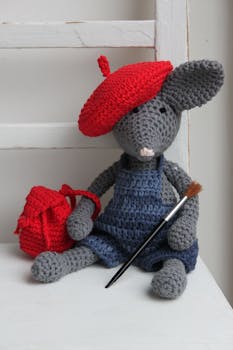
In the dynamic world of creative careers, understanding the role of a toy designer and character designer is essential for aspiring artists and industry enthusiasts. The pathways to these careers are often explored through toy designer character designer websites, which showcase impressive portfolios and provide valuable insights into the industry. Whether you’re fascinated by the whimsical world of toys or the compelling narratives behind character designs, both fields offer rich opportunities for creativity and innovation.
Understanding the Toy Designer Character Designer Website
A toy designer character designer website serves as both an artist’s portfolio and an information hub. It highlights the designer’s achievements, showcases their work, and often provides details about their creative process. For aspiring designers, exploring these websites can offer inspiration and guidance. They provide insights into different styles, techniques, and the latest trends in the toy and character design industries.
Visitors can expect to find a variety of elements, such as:
- Portfolios: Galleries of previous work showcasing style, creativity, and technical skills.
- Biographies: Background information about the designer, including education, influences, and career highlights.
- Blog Entries: Articles or reflections on design challenges, industry developments, or personal creative journeys.
- Contact Information: Professional email addresses or forms for potential clients or collaborators to reach out.
Exploring these websites can be a crucial step for those considering careers in the toy and character design fields.
Steps to Becoming a Toy Designer or Character Designer
The journey to becoming a toy or character designer often begins with a strong foundation in art education. Many designers choose to pursue a formal education in art or design, such as enrolling in specialized programs that focus on industrial or graphic design. Courses in drawing, sculpting, and digital media are particularly relevant and beneficial.
Beyond formal education, aspiring designers are encouraged to:
- Develop a Personal Style: Experiment with different media and techniques to discover unique artistic preferences.
- Gain Industry Knowledge: Stay informed about industry news and trends through professional organizations and publications.
- Build a Professional Network: Attend industry events and connect with fellow designers and industry leaders.
For students looking for financial assistance, there are scholarships available for art students to help pursue their dreams.
Navigating the Industry as a Toy or Character Designer
The toy and character design industries are rich with diverse opportunities. Designers can find roles in various settings, from major toy companies to independent studios. Freelancing is also a viable option for those who prefer flexibility and control over their projects. Establishing a strong online presence through a dedicated website is vital for gaining visibility and attracting potential clients or employers.
Moreover, membership in professional organizations can offer significant benefits. These organizations often provide resources such as job listings, industry insights, and opportunities for collaborative projects.
Key Considerations for a Successful Toy Designer Character Designer Website
Building an effective toy designer character designer website involves careful consideration of several key elements. Here are some tips to ensure your website makes a strong impression:
- High-Quality Imagery: Use clear, high-resolution images to showcase your best work.
- User-Friendly Navigation: Design a site that is easy to navigate with intuitive menus and links.
- Responsive Design: Ensure your site is accessible on all devices, from desktops to smartphones.
- Engaging Content: Include compelling storytelling and detailed project descriptions to engage visitors.
These elements can help establish a professional online presence that effectively highlights your skills and attracts opportunities.
Final Thoughts on Exploring Toy Designer Character Designer Websites
For those interested in the creative professions of toy and character design, exploring a toy designer character designer website can be both enlightening and inspiring. These platforms not only display impressive artwork but also offer insights into the personal journeys of successful designers. By understanding the pathways and resources available, individuals can navigate these fields effectively and with confidence.
Takeaways
- Toy and character design careers offer creative and innovative opportunities.
- Websites showcase portfolios, biographies, and valuable industry insights.
- Education and networking are crucial to breaking into the industry.
- Professional organizations provide resources and networking opportunities.
- Effective website design is key to showcasing skills and attracting opportunities.
FAQs
What skills are essential for a career in toy or character design?
Strong artistic skills, creativity, attention to detail, and proficiency in digital design tools are crucial for success.
Do I need a formal art education to become a toy or character designer?
While a formal education can be beneficial, many successful designers are self-taught or have taken nontraditional paths.
What is the role of a toy designer character designer website in a designer’s career?
It serves as a portfolio, networking tool, and informational resource, helping designers showcase their work and connect with opportunities.
How can I stay informed about trends in the toy and character design industries?
Joining professional organizations, reading industry publications, and attending trade shows or conferences can keep you up-to-date.
Where can I learn more about careers in design?
For more in-depth information, visit this educational resource on Wikipedia that offers a broader view of design education.