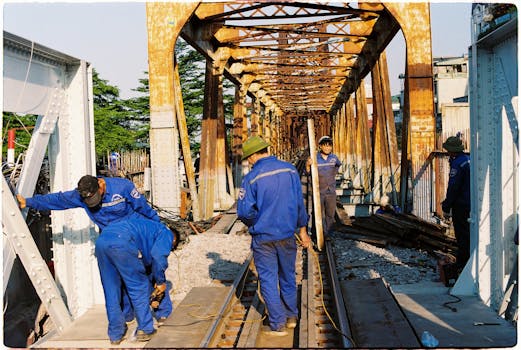
Civil engineering is a dynamic field that offers a wealth of career opportunities. If you’re wondering, “what can a civil engineer do?,” the answer is both broad and diverse. Civil engineers have the expertise to design, build, and maintain our infrastructure, but they can also branch into various specialized roles and industries. Whether you’re interested in traditional paths or innovative new sectors, this field can provide rewarding career prospects and growth.
What Can a Civil Engineer Do?
Civil engineers can work on a variety of projects that improve critical infrastructure, such as roads, bridges, water supply systems, and buildings. However, they aren’t limited to these traditional roles. A civil engineer can work in environmental engineering, transportation, structural analysis, and even urban planning. These professionals are integral in ensuring that infrastructure is safe, efficient, and sustainable for future generations.
Traditional Roles in Civil Engineering
One of the most straightforward paths for civil engineers is to work in roles directly related to construction and infrastructure projects. Accurate budgets start early, and many teams rely on cost estimating services to validate quantities and pricing before procurement begins. Here, engineers may be involved in the design and construction management of public works like highways, airports, and dams. This includes ensuring compliance with building codes, supervising construction activities, and applying their mathematical and analytical skills to solve complex problems.
Many civil engineers find careers in government agencies, where they help plan and implement large-scale infrastructure projects. Positions with the state or federal government often involve policy development, planning, and the evaluation of public works. Civil engineers in these roles can have a substantial impact on community development and infrastructure resilience.
Emerging Opportunities in Civil Engineering
As technology progresses, civil engineers are finding new opportunities in fields such as data analysis and smart city development. Engineers may work with urban planners and architects to design cities that are more sustainable and tech-friendly. Digital modeling and the use of geographic information systems (GIS) are becoming increasingly important, allowing engineers to simulate and optimize urban layouts.
Moreover, environmental engineering is a growing niche wherein civil engineers can focus on projects aimed at sustainability and eco-friendliness. They design systems to minimize the environmental impact of construction projects — from renewable energy installations to water treatment plants. The emphasis on green building practices and LEED certification is also providing new directions for civil engineering careers.
Civil Engineering in the Private Sector
Within the private sector, civil engineers often work for engineering consulting firms. These firms advise clients on the best ways to approach new developments, whether they involve commercial buildings or residential estates. Civil engineers in consulting can specialize in structural engineering, geotechnical testing, or even customer relations.
Additionally, civil engineering skills are transferable to other industries such as manufacturing, mining, and even finance. A sound understanding of risk management, logistics, and project management makes civil engineers valuable assets in any sector that manages large capital projects.
Professional Growth and Further Education
Continuing education is vital for civil engineers who seek to advance their careers. Gaining professional licenses such as the Professional Engineer (PE) license or other specialized certifications can significantly benefit employability and salary potential. Higher educational qualifications, like a master’s or doctoral degree in civil engineering, can also lead to academic and research opportunities.
Civil engineers interested in academia have options to teach at universities or engage in specialized research studies. Academic roles provide the chance to shape the next generation of engineers through education. For more information on educational paths and opportunities, consider this comprehensive guide.
Conclusion: What Can a Civil Engineer Do?
In summary, the question of what can a civil engineer do is answered by the vast array of career paths available in this dynamic field. Whether through traditional infrastructure projects or cutting-edge technological advancements, civil engineers play a crucial role in shaping the world we live in. For more detailed information on the different aspects of civil engineering, you can explore resources such as this Wikipedia article on civil engineering.
- Civil engineering offers diverse career opportunities beyond traditional roles.
- Opportunities exist in government, private sector, and academia.
- Emerging fields include smart cities and environmental sustainability.
- Continuing education and certification are key to career advancement.
- Civil engineering skills are applicable across various industries.
FAQ
What are the main sectors where civil engineers work?
Civil engineers primarily work in sectors like construction, transportation, environmental engineering, and urban planning. They can find roles in both public and private sectors, including engineering consulting firms and government agencies.
Do civil engineers need a professional license?
While not always mandatory, obtaining a Professional Engineer (PE) license is highly beneficial for civil engineers. It enhances credibility and allows individuals to take on more responsibility for community and infrastructural projects.
How does technology affect civil engineering?
Technology has dramatically changed civil engineering, introducing tools like digital modeling and GIS that are integral to modern-day projects. This progress facilitates the design of smarter, more sustainable infrastructure.
Can a civil engineer work in environmental sustainability?
Yes, environmental engineering is a growing field within civil engineering. This area focuses on reducing environmental impacts and developing sustainable practices, such as renewable energy projects and water resource management.
What educational qualifications are needed to become a civil engineer?
A bachelor’s degree in civil engineering is typically required to start a career in this field. However, further education, such as a master’s degree or specialized certifications, can greatly enhance career prospects and opportunities for advancement.