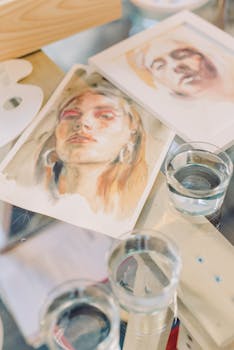
Watercolor exercises provide an incredible opportunity to unleash your creativity and refine your artistic skills. These exercises are not only for beginners looking to learn the basics but also for seasoned artists eager to explore new techniques and approaches. Through watercolor exercises, you can experiment with color mixing, brush techniques, and composition, ultimately enhancing your overall artistic abilities.
Diving into Watercolor Exercises
Watercolor is a versatile medium, celebrated for its fluidity and transparency. To begin your journey with watercolor exercises, it is essential to understand the fundamental techniques involved. Each exercise will help you delve deeper into this captivating art form, encouraging spontaneity and creativity.
Mastering Brush Techniques
Before creating intricate paintings, it’s important to master basic brush techniques. Experiment with different brushes and strokes to see how they affect the outcome. For instance:
- Flat Wash: Ensure a consistent, even layer by using a larger brush and even pressure.
- Dry Brush: Use a barely damp brush to create texture or add detail.
- Glazing: Layer thin washes to build color intensity and depth.
These foundational skills are crucial as you advance to more complex watercolor exercises.
Exploring Color Mixing
One of the joys of watercolor painting is color mixing. Begin by understanding the color wheel and complementary colors. Practice combining primary colors to create secondary shades and different tones. Try exercises such as:
- Color Chart: Make a chart with different color mixes to quickly reference during painting.
- Limited Palette Exercise: Limit your palette to three colors and see the range you can create.
Creating Textures and Effects
Watercolor’s unique properties allow artists to explore different textures and effects that can enrich their artwork. Experiment with:
- Salt Texture: Sprinkle salt on wet paint to create a crystalized effect.
- Plastic Wrap: Lay plastic wrap on wet paint and let it dry to create interesting textures.
- Sponge Technique: Use a natural sponge to create foliage or clouds.
Incorporating Watercolor Exercises into Daily Practice
Incorporating watercolor exercises into your routine allows for steady improvement over time. Set aside time each day to practice, even if only for ten minutes. This habit will help sharpen your skills and keep your artistic insights fresh.
Sketchbook Studies
A sketchbook is an artist’s companion. Use it to jot down ideas and practice watercolor exercises. Small studies on various subjects, like landscapes, still life, or abstract compositions, can lead to more significant projects. Resources such as scholarships for art students can assist those looking to take formal courses and improve their skills further.
Plein Air Painting
Painting outdoors connects you with nature and sharpens your observation skills. Consider basic plein air exercises such as:
- Quick Studies: Capture the essence of a scene in limited time.
- Value Studies: Focus on capturing the contrast between light and dark.
Plein air experiences can be transformative, enriching your hierarchical understanding of composition and lighting.
Collaboration and Feedback
Join local art groups or online communities to share your work and receive constructive feedback. Collaboration with other artists exposes you to different styles and techniques, broadening your artistic vision. Engaging with platforms like Wikipedia also offers access to a wide array of art educational material, such as this article on education.
Watercolor exercises are invaluable in elevating your artistic skills and sparking creativity. Whether you are a budding artist or a seasoned professional, incorporating these exercises into your artistic regimen can profoundly impact your development and your work’s quality.
- Watercolor exercises develop foundational painting skills.
- Experimentation with techniques and textures enhances creativity.
- Consistent practice is essential for artistic growth.
- Collaboration and community engagement are beneficial.
- Discovering your unique artistic style is a rewarding journey.
What are beginner-friendly watercolor exercises?
Beginner-friendly exercises include practicing flat washes, color mixing with limited palettes, and creating textures with salt or plastic wrap. These activities help build foundational skills.
How can I improve my watercolor techniques?
Regular practice with structured exercises, exploring different brush techniques, and focusing on color theory can enhance your watercolor skills. Joining an art class or workshop also provides valuable feedback and guidance.
What materials do I need for watercolor exercises?
Essential materials include good quality watercolor paper, a variety of brushes, a palette for mixing colors, and a range of watercolor paints. Optional items like salt and sponges can be used for texture exercises.
Why is daily practice important for watercolor artists?
Daily practice helps reinforce techniques, fosters creativity, and encourages skill development. Even short sessions can lead to significant progress over time.
What resources are available for learning more about watercolor art?
Online courses, art workshops, books, and community forums provide extensive resources. Websites like Wikipedia and other educational sites offer valuable background and technique literature.