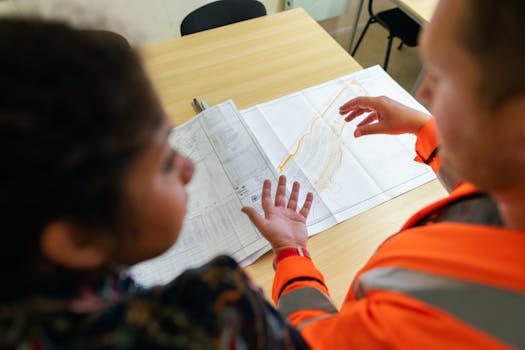
Engaging high school students in hands-on learning experiences can significantly enhance their understanding and interest in civil engineering. By focusing on high school civil engineering real world projects, educators can equip students with practical skills that are valuable for their future careers. This approach not only solidifies theoretical knowledge but also encourages critical thinking and problem-solving abilities.
Choosing the Right High School Civil Engineering Real World Project
To maximize learning, it’s important to choose projects that are both challenging and achievable for high school students. Ideal projects will stimulate curiosity and provide insight into real-world applications of civil engineering principles.
Designing a Model Bridge
Bridge construction is a classic civil engineering project that can be adapted for high school students. By designing and building scale models of bridges, students gain insight into structural forces, material properties, and the importance of design in maintaining structural integrity.
Water Filtration Systems
Another effective project is designing a water filtration system. Students can experiment with different materials to create a functional filter, learning about water purification processes and the significance of sustainable practices in civil engineering.
Creating a Sustainable City Model
Students can also work on projects that involve creating scale models of sustainable urban environments. This encourages them to think about the integration of transportation, green spaces, and energy-efficient buildings.
Implementing and Managing Projects
Successful execution of these projects involves careful planning and management. Students should be encouraged to work in teams, fostering collaboration and communication skills. Additionally, incorporating regular progress meetings can help keep the projects on track and ensure all students are actively participating.
Utilizing Technology in Projects
Incorporating technology is essential to modern civil engineering. Using software for structural analysis or simulation can provide students with valuable experience in computer-aided design (CAD) and other digital tools used in the industry.
Evaluating Project Outcomes
Evaluation of the completed projects is crucial. It provides feedback on student learning and project success. Encouraging students to present their projects fosters communication skills and allows them to articulate their understanding and reasoning.
These projects not only highlight the direct application of civil engineering principles but also prepare students to tackle complex real-world problems. As they advance, these skills and experiences can be detailed in strong letters of recommendation for college applications, showcasing their readiness and passion for engineering careers.
Benefits of High School Civil Engineering Real World Projects
High school civil engineering real world projects provide numerous educational benefits. They enhance problem-solving skills, encourage teamwork, and provide practical experience with engineering challenges. Moreover, these projects can inspire students to pursue civil engineering as a career path, a necessary and rewarding profession.
For more general information on education and its impact on skill development, the Wikipedia article on education is a useful resource.
- Hands-on projects in civil engineering enhance student engagement and understanding.
- Projects like model bridge design and water filtration introduce real-world applications.
- Collaboration and technology use are key components for project success.
- These projects prepare students for future careers in civil engineering.
- Effective evaluation and presentation foster communication and analytical skills.
What are some examples of high school civil engineering projects?
Examples include designing model bridges, creating water filtration systems, and developing sustainable city models. These projects provide hands-on experience with engineering principles.
How do these projects benefit high school students?
They enhance problem-solving skills, foster collaboration, and provide practical experience, preparing students for future engineering careers.
Why is teamwork important in these projects?
Teamwork encourages collaboration and communication, both essential skills in engineering projects, helping students learn how to work effectively with others.
What role does technology play in these projects?
Technology aids in design and analysis, providing students with experience using tools and software that are prevalent in the engineering industry.
How can these projects influence future career choices?
By providing a glimpse into the field of civil engineering, these projects can inspire students to pursue engineering in higher education and beyond.
Each high school civil engineering real world project is a stepping stone towards a promising career, equipping students with critical thinking and practical skills needed in today’s workforce.