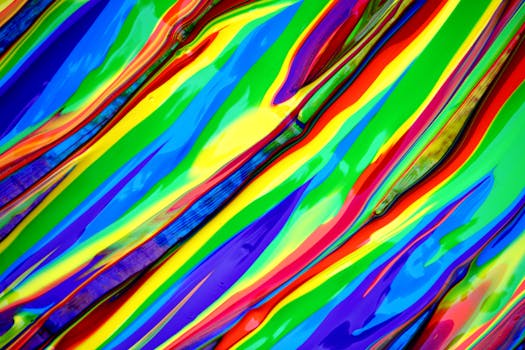
Asymmetrical balance in art is a captivating concept that challenges traditional notions of symmetry. Artists use this technique to create dynamic compositions that capture the viewer’s attention by arranging elements in an off-centered manner. Though it may appear unbalanced at first glance, the harmony achieved in asymmetrical compositions invites a deeper exploration of visual interest. By understanding how to effectively use asymmetrical balance, artists can enhance their creative expression and develop unique artwork that speaks to their audience.
Techniques for Creating Asymmetrical Balance in Art
Artists can employ various strategies to achieve asymmetrical balance in art. Unlike symmetrical compositions where elements are mirrored, asymmetrical balance relies on the careful placement and weighting of different components. For instance, contrasting colors, varying textures, and diverse shapes can all contribute to this type of balance, compelling the viewer to linger and analyze the artwork.
Using Contrast and Color
Contrasting colors can play a key role in balance asymmetrical art. A bold color on one side of the canvas may be balanced by a complex pattern or multiple subtler tones on the opposite side. This visual tension creates interest and guides the viewer’s eye around the composition. Selecting the right color palette is crucial to achieving this balance.
Incorporating Texture and Shapes
Asymmetrical balance artwork often leverages texture and shape to great effect. Different textures can evoke varied tactile sensations, and juxtaposing smooth areas with rough patches creates a balanced yet intriguing piece. Similarly, mixing geometric shapes with organic forms adds depth and complexity.
Composition and Focal Points
Establishing a focal point is essential in asymmetrical balance art to guide the viewer’s attention and ensure that the composition doesn’t feel chaotic. Artists can use diagonal lines or leading shapes to emphasize certain areas, ensuring the artwork remains engaging without becoming overwhelming.
The Role of Asymmetrical Balance in Art History
Throughout art history, asymmetrical balance has been utilized in various artistic movements. Impressionists, for example, often employed this technique to convey movement and spontaneity in their paintings. Similarly, modern artists have embraced asymmetry to push the boundaries of traditional compositions.
While symmetry has its place in art, asymmetrical balance offers a unique opportunity for self-expression and innovation. Additionally, understanding how to create asymmetrical compositions can enhance an artist’s portfolio and appeal to contemporary audiences.
Resources for Aspiring Artists
Are you interested in exploring more about asymmetrical balance in art and other creative techniques? There are many resources available to support budding artists. Online courses, workshops, and scholarships can provide both inspiration and financial assistance. To find opportunities, explore scholarships for art students that can help fund your education.
Additionally, learning from past masters and understanding new art movements can further enhance your skills. Websites like Art Education on Wikipedia offer comprehensive insights into the evolution of art techniques.
Conclusion
Mastering asymmetrical balance in art is a skill that can greatly enrich an artist’s creative toolkit. By experimenting with different elements and respecting the principles of this dynamic form, artists can produce balanced compositions that captivate and inspire audiences. Whether you are revisiting historical examples or crafting your unique style, asymmetrical balance can take your artwork to new heights.
- Asymmetrical balance creates dynamic and intriguing art compositions.
- Using contrast, texture, and shape can enhance asymmetry.
- Effective focal points guide the viewer’s eye in asymmetrical artwork.
- Several art movements have historically utilized asymmetrical balance.
- Resources and scholarships can support aspiring artists exploring new techniques.
What is asymmetrical balance in art?
Asymmetrical balance in art is a technique where elements are distributed unevenly yet feel harmonious. This approach creates a sense of movement and interest without relying on mirrored symmetry.
How can artists achieve balance in asymmetrical art?
Artists can achieve balance by carefully placing elements of varying color, texture, and shape. Using focal points and lines can direct the viewer’s eye to ensure the composition remains cohesive and engaging.
Why is asymmetrical balance important in art?
Asymmetrical balance is important because it encourages creativity and innovation. It allows for more expressive compositions that can convey a wide range of emotions and themes.
What are some examples of asymmetrical balance in art history?
Examples include works from the Impressionist movement where artists like Claude Monet used asymmetry to capture the fluidity of light and nature. Modern artists also use this technique to challenge traditional norms.
Where can I learn more about asymmetry in art?
You can explore online resources such as art courses, scholarly articles, and websites dedicated to art history and techniques. Visiting art galleries and museums can also provide valuable insights into the practical application of asymmetrical balance.