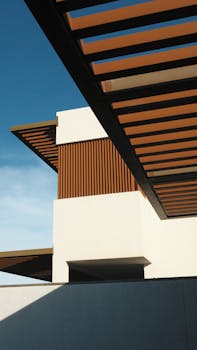
Incorporating asymetrical balance into your design can greatly enhance aesthetic appeal and bring dynamism to your work. Asymmetrical balance involves arranging elements of differing weights in such a way that, though they are not symmetrical, they achieve balance in composition. This principle is widely used in art, graphic design, and architecture, among other fields. Mastering this design element can set your work apart and increase its visual interest.
Understanding Asymmetrical Balance
Asymmetrical balance doesn’t adhere to traditional symmetry rules, where both sides are identical or perfectly mirrored. Instead, it relies on a visual balance of elements—color, space, size, texture, and context—so that each part of the design holds visual weight. This can be achieved through the strategic placement of unique elements that together form a cohesive whole. But what is asymmetrical balance, and how can it be used effectively?
Asymmetrical balance can make a piece more engaging by leading the viewer’s eye across the composition, which is often more dynamic than symmetrical designs that can sometimes appear static. Designers often achieve asymmetrical balance by using contrasting elements, such as a large object being counterbalanced by a smaller, denser cluster of objects on the opposite side.
Techniques for Creating Asymmetrical Balance
To create asymmetrical balance in your designs, consider the following techniques:
- Contrast Variation: Use different colors, textures, or shapes to create points of interest. Vivid colors, for instance, can offset the lack of form symmetry by attracting attention.
- Strategic Spacing: The use of negative space can counterbalance and offer breathing room, which helps balance the heaviness of a concentrated area of detail.
- Hierarchical Focus: Establish a hierarchy in your elements so that one takes precedence, capturing immediate attention and leading toward a balanced composition.
Clever use of asymmetrical elements can create a flow that guides the viewer’s gaze naturally from focal points to lesser areas of interest. This can be applied in a variety of mediums, from interior design to typography.
The Importance of Asymmetrical Balance in Art and Design
Artists and designers benefit from mastering asymmetrical balance, as it offers flexibility and fosters creativity. Unlike symmetrical design, which follows a prescribed formula, asymmetrical balance allows for more freedom and innovation. It encourages a playful mix of elements, leading to unexpected yet visually pleasing results.
One practical example of its application can be observed in the layout of print media, such as magazines. Here, asymmetrical balance is used to emphasize certain articles or images, creating a dynamic yet harmonious spread. Similarly, in web design, asymmetry can be used to direct user focus to key content or actions, thereby enhancing user experience.
Further exploration of how artists employ intuitive elements in their art can be found in our comprehensive guide to hypnosis and intuition in art creation, which delves deeper into the emotional and psychological aspects of artistic balance and composition.
Benefits of Asymmetrical Balance
Along with its aesthetic appeal, asymmetrical balance offers several advantages for designs:
- Enhances visual interest and engagement.
- Provides freedom from rigid structures.
- Makes compositions versatile across different mediums.
- Allows for creative individuality and expression.
Designers and artists looking to break from traditional structures can utilize asymmetrical balance to innovate and captivate. Its dynamic nature provides a canvas for experimentation and personal expression, allowing creators to push their boundaries.
Conclusion
Incorporating asymmetrical balance into your work can add complexity, interest, and sophistication, making your designs stand out. Whether it’s in architecture, graphic design, or fine arts, understanding and applying this concept can transform your projects. Asymmetrical balance is about more than just placing disparate elements together—it’s about creating a harmonious composition that holds visual intrigue and balance.
For further information on educational techniques that enhance creativity and innovation in design, visit this resource for a comprehensive overview.
- Asymmetrical balance involves a non-mirrored arrangement of elements.
- It is often used to create dynamic, visually engaging designs.
- Techniques include the use of contrast, space, and hierarchical focus.
- This type of balance offers more creative freedom and expression.
- Understanding asymmetrical balance can add depth to any artistic endeavor.
What is asymmetrical balance in design?
Asymmetrical balance in design involves arranging elements of varying visual weights in a way that they balance each other without mirroring or symmetry. It’s about creating a balanced visual composition through contrast and composition.
How can I achieve asymmetrical balance in my artwork?
You can achieve asymmetrical balance by balancing visual elements using contrast, such as varying colors, sizes, textures, or by placing elements in a way that uses negative space effectively. Experimentation and intuition also play a significant role.
Why is asymmetrical balance important?
Asymmetrical balance is important because it adds dynamism and interest to designs. It’s engaging and can effectively guide the viewer’s eye throughout the composition, often making a piece more impactful and memorable.
What are some examples of asymmetrical balance in real life?
Examples include modern art compositions that juxtapose different shapes and colors, magazine layouts where text is balanced against images, and architectural designs that use varying forms to create visual interest.
Does asymmetrical balance mean imbalance?
No, asymmetrical balance does not mean imbalance. Rather, it’s about creating a sense of equilibrium through variability rather than uniformity. The balance comes from how elements relate to each other within the composition.