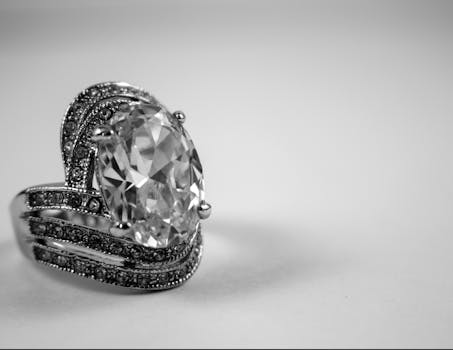
Embarking on the pathway of a jewelry design degree combines passion with precision, fostering an artistic journey that melds creativity with craftsmanship. If you are captivated by wearable art and dream of transforming raw materials into stunning pieces, pursuing a degree in jewelry design may be the perfect avenue to unlock and enhance your creative potential. In this article, we’ll explore the various dimensions and opportunities afforded by such a degree.
Understanding the Jewelry Design Degree
A jewelry design degree is not just about learning how to cast metals or set gemstones; it encompasses a comprehensive curriculum that integrates art theory, technological applications, and hands-on practice. Students are encouraged to explore both traditional techniques and cutting-edge digital design methods, preparing them to innovate in the dynamic world of jewelry creation.
Throughout the degree, aspiring designers are guided through each step of the creative process, from initial sketching and conceptualizing to the final meticulous production of jewelry pieces. This holistic approach ensures that graduates not only hone their technical skills but also develop a powerful creative vision that sets their work apart.
Career Opportunities with a Jewelry Design Degree
The jewelry industry offers diverse career paths for creative individuals. With a jewelry design degree, graduates can pursue roles such as independent jewelry designers, who create bespoke pieces for clients, or as part of design teams in established brand houses. Additionally, opportunities exist in areas like jewelry entrepreneurship, where one can launch their own brand, or as jewelry educators, sharing insights and skills with future generations of designers.
Moreover, the degree can open doors to careers in allied fields such as fashion, where an understanding of design principles and trends is essential. Collaborations between jewelry designers and fashion houses have become increasingly prevalent, further enriching the overall design landscape.
Integrating Technology and Traditional Skills
Modern jewelry design education emphasizes the integration of technology with traditional crafting skills. Technologies like computer-aided design (CAD) and 3D printing are becoming staples in the curriculum, enabling students to conceptualize and refine their designs with precision before physically creating them.
However, traditional techniques remain invaluable. Skills like stone setting, metal molding, and hand engraving are taught alongside technological advancements, ensuring a well-rounded education that balances modern efficiency with classic craftsmanship.
Fostering Creativity and Innovation
Innovation lies at the heart of a successful jewelry design career. A jewelry design degree nurtures creativity through various means such as cross-disciplinary projects, international design competitions, and collaborative workshops. Students are encouraged to push boundaries and experiment with unconventional materials or methods, fostering a unique style and voice in their creations.
Furthermore, exposure to diverse artistic visions and global design trends during the course enriches students’ perspectives, enabling them to create pieces that resonate in a global marketplace.
Financial Considerations and Support
While pursuing a jewelry design degree, it’s important to consider the financial aspects, including tuition fees, materials, and living expenses. Prospective students can explore various scholarships and financial aid options specifically for art and design programs. Scholarships can significantly ease the financial burden, allowing students to fully concentrate on their studies and creative pursuits without undue stress.
For more information about scholarships available to art students, visit this page on Scholarship Options for Art Students. This can be a valuable resource in identifying potential financial support for your educational journey.
The Educational Path Ahead
A deeper dive into the curriculum of a jewelry design degree reveals modules focused on design history, gemology, business management, and marketing. Such a broad range of subjects equips students with the knowledge needed to navigate the business aspect of the jewelry industry while staying creatively inspired.
Field trips, guest lectures, and internships with leading designers or companies provide practical industry exposure, preparing students to transition smoothly from the classroom to professional practice.
Graduating with a jewelry design degree not only arms you with technical proficiency but also instills a robust entrepreneurial spirit. This powerful combination is essential for forging a successful career in the ever-evolving world of jewelry design.
- Pursue diverse career paths with a jewelry design degree.
- Leverage both technology and traditional skills for unique designs.
- Nurturing creativity and fostering innovation is key.
- Explore financial aid options to support your education.
- Broad education includes business management and marketing skills.
What can I do with a jewelry design degree?
A jewelry design degree can lead to careers as an independent designer, design team member, jewelry entrepreneur, or educator, among other roles.
How is technology integrated into jewelry design education?
Technologies like CAD and 3D printing are integral, allowing students to refine and realize their designs with modern tools, complementing traditional craftsmanship.
Are there scholarships available for jewelry design students?
Yes, various scholarships and financial aid options specifically support art and design students. More information can be found on dedicated scholarship pages.
What subjects are covered in a jewelry design degree?
The curriculum covers a range of topics, including design history, gemology, business management, and practical skills such as stone setting and metalwork.
Where can I learn more about jewelry design education?
For more information on jewelry design education, you can refer to comprehensive resources like the jewelry design entry on Wikipedia, which provides extensive insights into the field.