
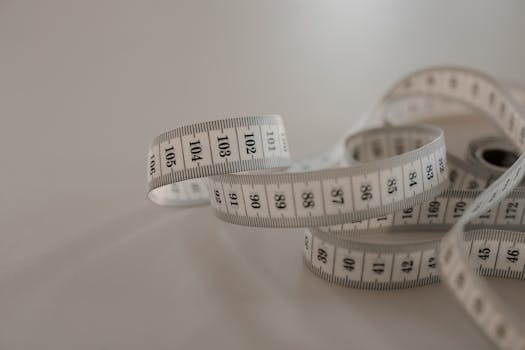
Understanding how to correctly read tape measure increments is crucial for anyone involved in construction, carpentry, or any DIY projects that require precision. Whether you’re a professional builder or a hobbyist, mastering the ability to accurately interpret tape measure increments can significantly impact the quality of your work.
The Basics of Tape Measure Increments
Tape measures can seem straightforward, but the array of hash marks and numbers can be confusing. Most tape measures display inches as the primary unit with additional marks for fractions. Understanding these tape measure increments is key to taking accurate measurements.
The main lines on a tape measure represent whole inches, while the smaller marks denote fractions of an inch, typically at intervals of 1/16, 1/8, 1/4, and 1/2. Familiarizing yourself with these basic increments makes it easier to quickly gauge measurements in any project.
Steps to Measuring Accurately
To measure accurately using a tape measure, follow these simple steps:
- Understand the units: Grasp the scale of both inches and centimeters.
- Identify key increments: Focus on the most common increments used in your projects.
- Align the tape: Ensure the tape is straight and the measurement edge aligns perfectly with the surface or object.
- Note the reading: Record the exact position between the nearest half or quarter-inch marks.
Reading Tape Measure Increments Correctly
Accurate reading of tape measure increments involves more than just counting the marks. It’s about the context the increments provide and applying them to your tasks. Recognizing the differences between similar increments and using consistent reference points ensures precision.
Common Mistakes and How to Avoid Them
Misreading tape measure increments happens more often than one might think. One way to avoid mistakes is to regularly cross-check measurements, especially when working on big projects where errors can be costly.
Tips for Using Tape Measures Effectively
Use the tape measure for more than just measuring length; it can also be a valuable guide for straight cuts and angles. Here are a few tips:
- Use the tape’s edge as a straight edge for drawing lines.
- For angled cuts, align the tape along the angle before marking.
- Lock the tape in place for steady repeated measurements.
Advancing Your Skills
Just like any other skill, becoming proficient at reading tape measure increments takes practice. Consider enrolling in courses that offer hands-on training for measuring and cutting techniques. Our guide on free online courses can help you find opportunities to improve your skills further.
For a deeper understanding of measurement tools, consider exploring resources like this informative article on the Wikipedia page about measurement.
- Understanding how to read tape measures can dramatically improve project outcomes.
- Practice recognizing different increments to boost accuracy.
- Avoid common errors by checking and rechecking your measurements.
- Use the tape as more than just a measuring device; think of it as a multifaceted tool.
- Continuous learning and practice will enhance your measuring skills.
FAQs
What is a tape measure increment?
A tape measure increment is the small mark on a tape measure that represents a fraction of an inch, such as 1/16, 1/8, 1/4, or 1/2. These increments help in taking precise measurements.
How do I learn to read tape measure increments?
Regular practice, along with guidance from tutorials or courses, can help you learn to read tape measure increments efficiently. Understanding and recognizing each mark’s significance is key.
What are the most common mistakes when using a tape measure?
Common mistakes include misreading fractions, measuring on an angle, and not locking the tape properly during measurement. These can lead to inaccurate readings and project errors.
How can I ensure accuracy when measuring?
To ensure accuracy, always ensure the tape is straight, use the correct increments for your measurement, and double-check your work by measuring twice.
Why is measuring accurately important?
Accurate measurements are vital for ensuring that components fit together as intended, thus preventing waste of materials and time, and enhancing the overall quality of projects.
By mastering tape measure increments, you not only increase your precision but also improve the efficiency and outcome of your projects.

