
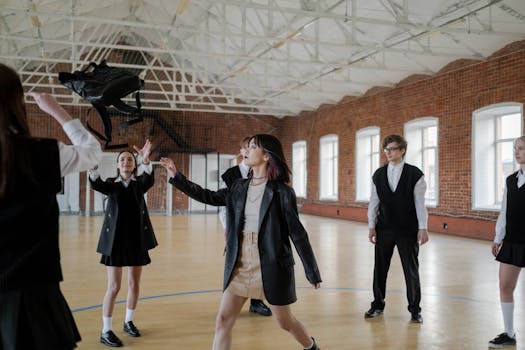
Participating in high school activities can be a transformative experience for students, providing an array of benefits that can enhance both personal and academic growth. Engaging in these activities allows students to explore interests, develop skills, and create lifelong friendships. Whether through sports, clubs, or artistic endeavors, high school activities play a key role in shaping a student’s future.
The Importance of High School Activities
High school is a pivotal time for students as they prepare for their future educational and career paths. Extracurricular activities in high school offer an opportunity to develop skills that extend beyond the classroom. These activities can include sports teams, drama clubs, debate teams, and volunteer organizations. Each activity provides unique learning experiences that are vital for personal development.
According to Wikipedia, high school activities are instrumental in helping students build essential life skills, such as leadership, teamwork, and time management. These skills are not only crucial for academic success but also for future career opportunities.
Developing Leadership and Social Skills
Participating in high school activities helps students develop leadership qualities and enhance their social skills. By taking part in group projects or leading a club, students learn to work effectively with others, communicate clearly, and manage responsibilities. These experiences are valuable in preparing students for college and the workforce.
Leadership roles in high school clubs and sports teams provide students with real-world situations to practice decision-making and problem-solving, skills that are highly sought after in today’s job market.
Enhancing Academic Performance
Research shows that students involved in extracurricular activities in high school often perform better academically. Being part of a team or club requires balancing commitments, which teaches students to prioritize tasks effectively. This skill directly translates to improved academic performance, as students learn to manage their time efficiently.
Moreover, many activities are directly related to academic subjects, such as science clubs or language societies, allowing students to deepen their understanding and passion for specific areas of study.
Building a College-Ready Resume
Colleges and universities often look for well-rounded candidates who have demonstrated involvement in high school activities. Students who participate in diverse activities show that they can manage multiple responsibilities while actively engaging with their communities.
Having a robust list of extracurriculars can also lead to valuable letters of recommendation from teachers or coaches who can speak to a student’s strengths outside the classroom. For more on creating letters of recommendation, visit our guide on recommendation letters.
Fostering Personal Growth and Well-Being
High school activities also contribute to personal growth by nurturing self-confidence and emotional resilience. Engaging in activities that challenge students to step out of their comfort zones encourages growth and self-discovery. This emotional resilience is crucial in overcoming obstacles and achieving personal goals.
Additionally, activities that incorporate physical movement, such as sports, promote overall health and well-being, positively impacting mental health and reducing stress levels among students.
Networking and Long-Term Benefits
Participating in extracurricular activities in high school offers networking opportunities by connecting students with peers who share similar interests. These networks can be helpful in the future for both personal and professional development.
Moreover, the friendships forged during these times often last well beyond high school, becoming support systems throughout college and into adult life.
Ultimately, high school activities provide numerous benefits that extend beyond academic achievement. They are a cornerstone of a well-rounded education, equipping students with the skills needed for success in all areas of life. By engaging in these activities, students prepare themselves for a brighter, more successful future.
Takeaways
- High school activities develop leadership, teamwork, and time management skills.
- Involvement in these activities can improve academic performance and college applications.
- Extracurriculars foster personal growth and contribute to mental well-being.
- Networking through activities provides long-term benefits and connections.
- Activities offer a well-rounded educational experience that prepares students for future success.
Frequently Asked Questions
What are some examples of high school activities?
Examples of high school activities include sports teams, music bands, drama clubs, debate teams, and volunteer work. These activities encourage personal development and skill building.
How do high school activities benefit academic performance?
High school activities teach students to balance multiple commitments, helping them to develop excellent time management and organizational skills, which are valuable for academic success.
Can participation in high school activities help with college admission?
Yes, colleges often look for students who have demonstrated involvement in extracurricular activities, as this shows commitment, leadership, and a well-rounded personality.
How do high school activities support personal growth?
These activities help students learn about themselves, build self-confidence, and develop resilience, all of which are important aspects of personal growth.
Why is networking important in high school activities?
Networking allows students to build relationships with peers and mentors who can provide support and guidance throughout their academic and professional journeys.

