
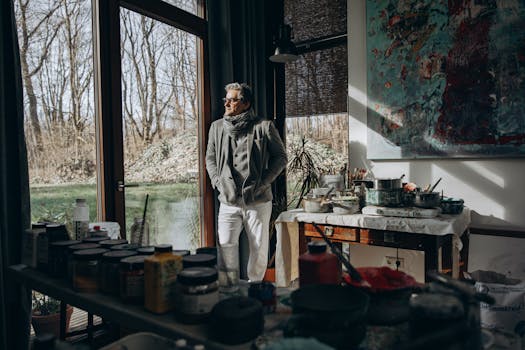
Throughout history, artists have been celebrated for their ability to inspire, provoke, and challenge perceptions. Understanding the artist job description involves acknowledging their multifaceted role in society. From painters to digital artists, their responsibilities range from creating compelling works to engaging with audiences across various platforms.
The Artist Job Description
When considering the role of an artist, it’s essential to understand the diversity and depth of the profession. An artist is responsible for creating visual, audio, or performance pieces that communicate an idea, emotion, or worldview. They blend creativity with technical skills to produce something unique and impactful, often working either independently or as part of a collaborative team.
According to the Bureau of Labor Statistics, artists often engage in numerous tasks, including brainstorming concepts, sketching ideas, selecting materials, and refining their work through iterative processes. They must remain abreast of current trends and technology to stay relevant and innovative in their field.
Responsibilities of an Artist
Artists carry a variety of responsibilities that go beyond simply creating art. They must actively seek inspiration, which can come from personal experiences, nature, literature, or cultural phenomena. Many artists spend time sketching and ideating before committing to a final piece, ensuring their creation aligns with their artistic vision.
An integral part of the artist job description is keeping up with industry trends and technological advancements. In today’s digital age, understanding software for digital art or virtual reality platforms can significantly widen an artist’s skill set and appeal.
Skills Required for a Successful Career in Art
Various skills are essential for success in the art world. Creativity and imagination top the list, enabling artists to invent and explore new perspectives. Technical skills in drawing, painting, or digital art software are also vital. Good communication and networking abilities can help artists connect with potential clients and exhibit their work.
Artistic careers demand discipline and self-motivation as artists often work independently. Time management is another crucial skill, allowing artists to meet deadlines, manage multiple projects, and allocate time efficiently to complete their work. For those studying the best art schools in Europe, there are many opportunities to enhance these skills in an educational setting.
Challenges Faced by Artists
While the life of an artist can be fulfilling, it comes with its own set of challenges. Due to the subjective nature of art, obtaining consistent work and financial stability can be difficult. Artists must often navigate fluctuating demands and compete fiercely for commissions or gallery space.
Criticism and rejection are part of an artist’s journey; learning to handle these gracefully is essential. This experience can often drive personal growth and refinement of one’s craft, helping artists emerge stronger and more resilient.
Opportunities in the Art World
Despite challenges, the art world offers a plethora of opportunities. Whether through traditional media like painting and sculpture or modern aspects such as graphic design and digital art, artists have numerous paths to explore. Industries such as entertainment, advertising, and education actively seek artists for their unique perspectives and ideas.
With the expansion of online platforms, artists have unprecedented access to global audiences. Social media, art marketplaces, and personal websites enable artists to showcase their work, reach clients, and sell directly from anywhere in the world.
Conclusion: The Multifaceted Role of an Artist
The artist job description is as varied as it is rewarding. Artists wield the power to influence societies, evoke emotions, and pioneer new ways of thinking through their work. Whether working in traditional or digital mediums, artists remain integral to cultural and social evolution.
- An artist’s role involves creativity, technical skill, and storytelling.
- Successful artists require self-motivation and discipline.
- Artistic careers offer diverse opportunities, including in education and digital art.
- Technology plays a significant role in contemporary art practices.
- Relationships, both personal and professional, are essential for artists.
What are the primary responsibilities of an artist?
An artist is responsible for creating and developing visual, audio, or performance pieces that convey emotions or ideas. Their responsibilities may include research, concept development, material selection, and final execution.
What skills are important for an artist to have?
Key skills include creativity, technical proficiency in chosen mediums, communication, self-discipline, and time management. Technological knowledge, especially in digital art, is increasingly important.
What are the challenges artists face?
Artists often face challenges like inconsistent work, financial instability, and criticism. Navigating these issues requires resilience and adaptability.
How do artists find opportunities to showcase their work?
Artists can find opportunities through galleries, exhibitions, online platforms, and social media. Engaging with a broad audience and participating in art communities can open many doors.
How can education benefit an aspiring artist?
Education can provide aspiring artists with essential skills, industry exposure, and networking opportunities. For those interested in studying abroad, exploring art schools in Europe can be particularly beneficial.

