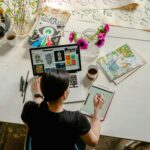
Watercolor painting is a beloved art form that offers endless opportunities for creativity. If you’re searching for cool watercolor ideas to ignite your artistic practice, you’ve come to the right place. From mastering basic techniques to experimenting with advanced methods, watercolor painting can open up a world of expression and joy. Let’s dive into these techniques and unleash your creativity.
Exploring Cool Watercolor Ideas
Watercolor painting is renowned for its versatility and unpredictability. The medium allows artists to explore vivid washes of color, delicate details, and bold textures. Whether you’re a beginner or an experienced painter, exploring new watercolor techniques can breathe life into your artwork.
1. Splattering and Dripping
Splattering and dripping are fun techniques that add spontaneous elements to your watercolor paintings. To achieve this effect, load your brush with pigment and flick or tap it onto your paper. This technique creates dynamic patterns that evoke energy and movement.
2. Wet-on-Wet Technique
The wet-on-wet technique involves applying wet paint onto a wet surface. This method allows colors to flow and blend seamlessly, resulting in soft, diffused effects. It’s ideal for painting skies, water, or any area where you want colors to merge fluidly.
3. Salt Texture
Creating texture with salt is a simple yet striking technique. Sprinkle salt onto wet paint, and as the paint dries, the salt will absorb moisture, leaving behind unique patterns. This method is great for depicting snowflakes or gritty surfaces.
4. Masking Fluid Magic
Masking fluid is a rubbery substance that protects specific areas of your paper from paint. Apply it to the parts you want to remain white and paint over it. Once the paint dries, remove the masking fluid to reveal crisp, unpainted sections, adding sharp contrasts and highlights to your piece.
5. Gradient Wash
A gradient wash involves creating a smooth transition between two colors or between a color and white. Start with a saturated brushstroke and gradually add more water to your brush as you move across the paper. This would add depth and dimension to backgrounds or abstract works.
6. Layering Colors
Layering involves building depth by applying one transparent color over another once each layer is dry. This technique allows for more control over the final hue and can increase the richness of your paintings. Layering is particularly effective for botanical illustrations or complex subjects.
7. Negative Painting
Negative painting is a method where the artist paints around an object rather than the object itself. This technique focuses on the shapes created by their absence and can create stunning compositions. Try it when you want to add complexity and interest to your work.
If you’re inspired to enhance your skills further, consider studying art abroad. Europe hosts some of the best art schools where artists can hone their craft amid rich cultural landscapes.
By trying these techniques, you can discover a variety of ways to express your vision. Each provides a different lens through which to explore your creativity. Experiment freely and let your instincts guide your brush.
Takeaways
- Watercolor painting offers a wide range of techniques to explore.
- Experimenting with new methods can enhance creativity and skill.
- From splattering to negative painting, techniques add unique textures and effects.
- Education abroad can further expand your artistic knowledge and experience.
- Keep pushing boundaries to find cool watercolor ideas that inspire you.
FAQ
How can beginners start with watercolor painting?
Beginners should start with basic supplies such as paints, brushes, and watercolor paper. Experiment with simple techniques like wet-on-dry and wet-on-wet to understand the medium’s characteristics.
What makes watercolor unique compared to other art mediums?
Watercolor is unique due to its translucence and fluidity. It allows for soft, flowing colors and is highly responsive to techniques like layering, splattering, and blending.
Can I use watercolor techniques in mixed media art?
Yes, watercolor can be combined with other mediums such as ink, pastels, or acrylics to create mixed-media artworks. This approach allows for a broader range of textures and effects.
Are there cultural differences in watercolor techniques worldwide?
Yes, different cultures have unique approaches to watercolor painting. For example, East Asian watercolor techniques often emphasize simplicity and nature, while Western styles may focus on realism and portraiture.
Where can I find more information about watercolor techniques?
You can explore comprehensive resources about watercolor techniques on informational websites such as Wikipedia. There you’ll find historical context and technical details to expand your understanding.
As you continue your exploration in watercolor art, don’t forget the motivating power of cool watercolor ideas. These techniques open doors to boundless creativity, whether painting for personal enjoyment or embarking on a professional artistic career.