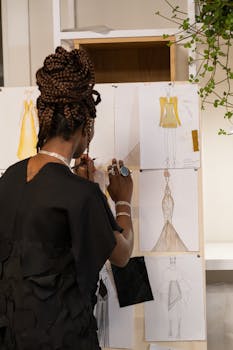
In today’s vibrant creative landscape, you might wonder what does a fashion designer do? Fashion designers bridge the gap between conceptual art and practical wearability, playing a pivotal role in crafting the clothes and accessories we see on the runway and on the streets. They blend creativity with technical skills, knowledge of textiles, and a keen sense of trends to produce innovative collections that captivate audiences and set precedents for the season ahead.
What Does a Fashion Designer Do?
Fashion designers are responsible for a broad spectrum of activities. From initial sketches to the final product on the store rack, they navigate the intricate process of design with a vision that balances aesthetics and functionality. The career encompasses creating new fashion lines, modifying existing designs, and even forecasting future fashion trends.
In the initial stages, designers draft sketches and create prototypes with the aid of computer-aided design (CAD) software, which allows them to bring their ideas to life with precision. Their work does not end there; they must also engage in market research, studying consumer preferences, and incorporating fresh inspirations from art, culture, and global trends.
Skills and Attributes
A fashion designer must possess a unique set of skills and traits. Creativity and an artistic eye are essential for developing innovative designs. Technical skills, such as sewing and pattern making, underpin the practical execution of their ideas. Additionally, strong communication skills are necessary for collaborating with team members and presenting concepts to clients and stakeholders.
Designers also need to keep up with industry trends and consumer demands. Versatility and the ability to adapt to changing trends are crucial for staying relevant in the fast-paced fashion world.
The Design Process
The design process begins with inspiration. Whether drawn from nature, culture, art, or history, these elements converge in the designer’s creative mind to generate ideas. After curating themes and mood boards, the tangible work begins with sketching and drafting designs.
Once a design is settled upon, prototypes are created. This involves selecting fabrics, assessing fit and form, and making adjustments. Fashion designers often collaborate with pattern makers and tailors to bring their vision to the fabric stage. Executing the final piece involves meticulous attention to detail to ensure that every aspect of the garment aligns with the initial concept.
Career Opportunities
Fashion designers can undertake diverse career paths. Aside from crafting apparel, some may venture into accessories, footwear, and even costume design for theater and film. Others may choose to specialize in fashion marketing, merchandising, or textile creation.
The demand for innovation in sustainable and ethical fashion has also opened new avenues for designers focused on eco-friendly practices. Opportunities abound in global fashion houses, boutiques, and freelance design.
If you’re aspiring to enter this dynamic field, consider exploring scholarships for fashion and art students to support your educational journey.
Building a Brand and Identity
Beyond individual designs, fashion designers are instrumental in building brand identity. Successful designers create a cohesive signature style that distinguishes their work in the bustling world of fashion. Brand identity involves not just a unique aesthetic but also consistent values and messaging that resonate with the target audience.
Fashion shows, media appearances, and collaborations with influencers are common strategies for enhancing brand visibility. With the omnipresence of social media, designers have myriad platforms to showcase their work and reach a global audience.
Challenges Faced by Fashion Designers
Although the fashion industry can be glamorous, it is also fraught with challenges. Designers often face tight deadlines, requiring excellent time management skills to maintain high-quality output. The pressure to continuously innovate while meeting commercial objectives can be demanding.
Additionally, the increasing focus on sustainable practices presents both a challenge and an opportunity for designers committed to reducing environmental impact.
The Future of Fashion Design
The future of fashion design is poised to be influenced by technology and sustainability. From 3D printing to AI-driven design tools, technology is transforming how designers conceptualize and create clothing. This shift necessitates designers to continually upgrade their skills and embrace digital tools.
Simultaneously, consumers are becoming more conscious of ethical fashion, thereby motivating designers to integrate sustainable practices into their workflows. These shifts are reimagining the scope and influence of the fashion designer’s role.
To explore more about the trajectory and impact of fashion education, the Education Wikipedia page provides additional insights into educational dynamics relevant to creative industries.
In conclusion, what does a fashion designer do? They orchestrate the intricate dance between art and utility, enriching our lives with style and innovation while adapting to the constant tides of change in culture and technology.
- Fashion designers blend creativity with technical skills to develop apparel and accessories.
- Core responsibilities include sketching, fabric selection, and prototype development.
- Sustainable fashion and cutting-edge technology are reshaping the industry.
- Effective brand identity helps designers distinguish themselves in the market.
- The role requires strong creative, technical, and communication skills.
What is the primary role of a fashion designer?
The primary role of a fashion designer is to create clothing and accessories that are both aesthetically pleasing and functional, keeping in mind the latest trends and consumer preferences.
How do fashion designers stay updated with trends?
Fashion designers stay updated with trends through extensive market research, attending fashion shows, and analyzing cultural and societal shifts. They also draw inspiration from various artistic and global influences.
What educational path is recommended for aspiring fashion designers?
Aspiring fashion designers typically pursue a degree in fashion design or a related field. Many also benefit from internships and workshops that provide practical experience in the industry.
What impact does technology have on fashion design?
Technology has a significant impact on fashion design, offering tools like CAD software, 3D printing, and AI that enhance the design process, streamline production, and facilitate innovative creations.
What are some of the challenges fashion designers face?
Fashion designers often contend with tight deadlines, market competition, and the pressure to continually innovate. They must also address the growing imperative for sustainable and ethical design practices.