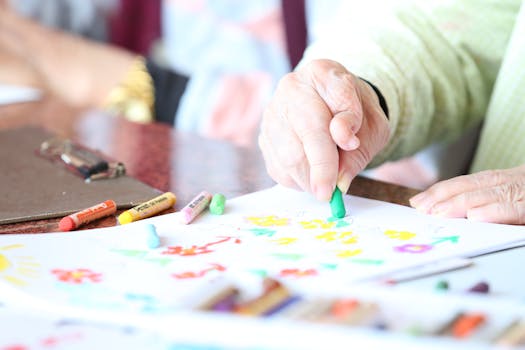
As the field of art therapy gains recognition, pursuing an art therapy career can be highly rewarding. This profession blends creativity with therapeutic practices, offering a unique approach to healing. Individuals drawn to both art and psychology often find this path fulfilling and impactful, as it allows them to use creative processes to help individuals explore emotions, reduce stress, and improve overall mental health.
Why Choose an Art Therapy Career?
An art therapy career is ideal for those passionate about helping others through creative expression. Art therapists use various art forms to facilitate discussions and insights that might be difficult to express verbally. This approach can be particularly beneficial for diverse populations, including children, adults, and seniors dealing with different challenges.
Moreover, art therapy can apply to various settings such as hospitals, schools, rehabilitation centers, and private practices. This diversity in work environments provides flexibility and the opportunity to specialize in areas that align with personal interests and values.
Educational Requirements for an Art Therapy Career
To become an art therapist, you typically need a master’s degree in art therapy or a related field. Coursework generally includes psychology, counseling, and art-based subjects. Some programs may also require a background in both art and psychology, ensuring that students have a solid foundation in these two essential areas.
In addition to academic qualifications, aspiring art therapists must complete supervised clinical experience. This hands-on training is crucial for developing practical skills in client assessment and therapeutic intervention. Those interested in studying art abroad might consider Europe’s best art schools, which offer comprehensive programs in this field.
Certification and Licensure
After completing the required education and clinical experience, individuals must pursue certification and licensure to practice professionally. The Art Therapy Credentials Board (ATCB) offers the Registered Art Therapist (ATR) credential, followed by the Board Certified Art Therapist (ATR-BC) for those meeting additional requirements. Licensure requirements vary by region, so it’s important to research local laws and regulations.
The Impact of Art Therapy
Art therapy can have significant positive impacts on mental health and well-being. By providing a non-verbal outlet for expression, it helps individuals convey feelings and experiences that may be difficult to articulate otherwise. This therapeutic process can reduce anxiety, improve self-esteem, and enhance emotional resilience. It is also an effective tool for those dealing with trauma, grief, and chronic illness.
Career Opportunities and Growth Potential
The demand for art therapists is increasing as more institutions recognize its benefits in comprehensive mental health care. Opportunities exist in public health, education, and private practice, with potential for specialization in areas like children’s therapy or geriatric support. As awareness of art therapy’s efficacy grows, so too do opportunities for professionals in the field.
The Future of Art Therapy
The future of the art therapy career looks promising, with ongoing research into its benefits and applications. As a relatively newer field compared to traditional psychotherapies, art therapy continues to evolve, and its integration into mainstream mental health services is expanding. For those passionate about art and healing, it presents a dynamic and fulfilling career path.
- Art therapy careers blend creativity with therapeutic practice.
- A master’s degree and clinical experience are typically required.
- Certification and licensure are essential for practice.
- Opportunities exist in various settings, from schools to private practice.
- The field is growing with increasing recognition and demand.
What qualifications are needed to become an art therapist?
To become an art therapist, you need a master’s degree in art therapy or a related field, completed clinical experience, and appropriate certification and licensure.
Where can art therapists work?
Art therapists can find opportunities in diverse settings such as hospitals, schools, mental health clinics, rehabilitation centers, and private practice.
How does art therapy benefit clients?
Art therapy helps clients express emotions non-verbally, reduce stress, and improve self-esteem. It is beneficial for those dealing with trauma, anxiety, and various mental health conditions.
Is there a growing demand for art therapists?
Yes, there is a growing demand for art therapists as more healthcare institutions recognize the benefits of incorporating art therapy into mental health and wellness programs.
Can I study art therapy abroad?
Yes, there are numerous art therapy programs offered by international universities. Studying abroad can provide exposure to diverse cultural perspectives and practices in the field.
For further reading on education-related topics, visit Wikipedia’s education page.