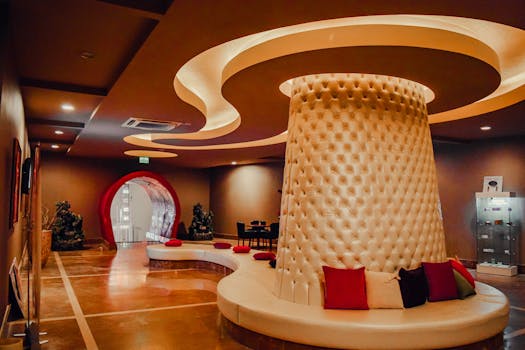
If you are passionate about creating beautiful, functional spaces, an interior design program may be the perfect fit for you. Interior design is an exciting field that combines creativity with practicality, transforming environments to enhance well-being and functionality. This article will explore the benefits of pursuing an interior design program, how it can shape your career, and what to expect along the journey.
The Advantages of Enrolling in an Interior Design Program
Enrolling in an interior design program provides a comprehensive foundation in both the artistic and technical aspects of the field. Students gain knowledge in areas such as space planning, color theory, material selection, and sustainability. A well-rounded curriculum ensures that graduates are equipped with the skills necessary to thrive in various settings.
Interior design programs also emphasize the importance of technology in modern design. From computer-aided design (CAD) software to virtual reality tools, students learn how to leverage these technologies to communicate their ideas more effectively to clients and collaborators.
Develop Creativity and Technical Skills
One of the key benefits of an interior design program is the opportunity to refine your creative skills. Courses often include hands-on projects allowing students to experiment with different styles and techniques. Additionally, programs cover technical skills such as drafting and digital design, which are essential in today’s design industry.
Networking and Professional Opportunities
Interior design programs often provide students with the chance to connect with professionals through internships, workshops, and industry events. These experiences are invaluable for gaining insight into the field and developing a network that can assist in career advancement. Many programs have partnerships with design studios, giving students exposure to real-world projects.
Specialize in Various Design Niches
Another advantage of pursuing an interior design program is the ability to specialize in a niche that aligns with your interests. Whether your passion lies in residential design, commercial spaces, hospitality, or sustainable environments, there are programs available to help you hone your expertise in these areas.
Aligning Education with Career Goals
An interior design program can be a critical step in achieving your career aspirations. With a strong emphasis on practical and theoretical learning, many programs are designed to prepare you for various roles in the design industry, such as interior designer, space planner, or project manager.
If you’re considering studying abroad to expand your horizons, check out our article on studying at top art schools in Europe for additional options.
Accredited Programs and Certification
When selecting an interior design program, it’s essential to consider accredited programs. Accreditation ensures the program meets specific educational standards and provides eligibility to sit for certification exams like the National Council for Interior Design Qualification (NCIDQ). Certification can enhance job prospects and credibility in the design field.
Job Outlook and Industry Trends
The interior design industry continues to grow, with an emphasis on sustainable and inclusive design solutions. Graduates from an interior design program are often well-prepared to meet the demands of this dynamic field. Staying updated with industry trends is crucial for long-term success and innovation.
For more information about the education pathways in interior design, you can visit this comprehensive guide.
Conclusion
Pursuing an interior design program is a rewarding journey that blends creativity, technical skill, and professional development. It opens doors to a diverse array of career opportunities and allows you to specialize in areas that match your interests and goals. Whether you’re designing homes, offices, or public spaces, an interior design program provides the tools and knowledge to succeed in this ever-evolving field.
- Interior design programs provide a strong foundation in artistic and technical skills.
- Students gain hands-on experience through projects and internships.
- There are opportunities to specialize in different niches like residential or sustainable design.
- Accreditation and certification can enhance credibility and job prospects.
- The interior design industry is growing, offering numerous career paths.
What is the main focus of an interior design program?
An interior design program focuses on teaching students the principles of designing functional and aesthetically pleasing spaces. It covers a wide range of topics including space planning, color theory, materials, and the use of technology in design.
What careers can I pursue with an interior design degree?
With an interior design degree, you can pursue various careers such as an interior designer, space planner, project manager, or design consultant. The field offers opportunities in residential, commercial, and specialized design sectors.
What technical skills are essential in interior design?
Some essential technical skills for interior designers include proficiency in CAD software, digital drafting, and the ability to use design visualization tools. These skills are important for creating detailed design plans and presenting ideas effectively.
Is certification necessary in the interior design field?
While certification is not mandatory, it can be beneficial. Certification like the NCIDQ can enhance your credibility as a designer and improve job prospects by demonstrating your commitment to industry standards.
How does an interior design program support creativity?
Interior design programs support creativity by providing hands-on projects, encouraging experimentation with styles, and fostering an environment where students can explore different design concepts and techniques.