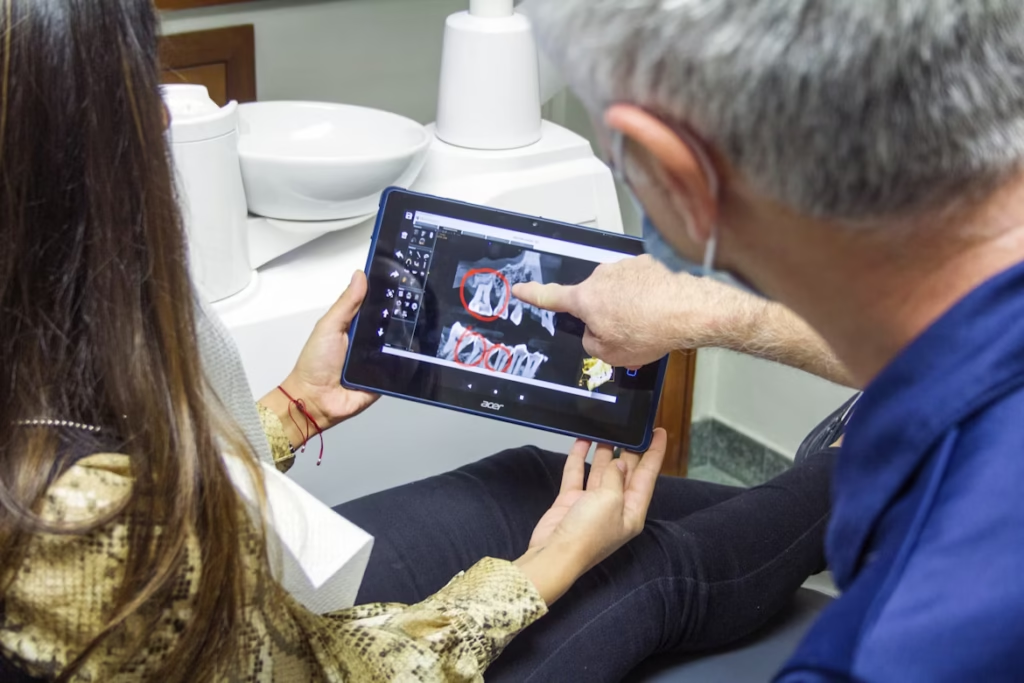
Nearly 85% of people will need their wisdom teeth removed at some point, according to the American Association of Oral and Maxillofacial Surgeons’ 2024 practice data — yet most patients walk into the procedure with little understanding of what the days and weeks afterward actually involve. While dental practices have refined extraction techniques to minimize trauma, the reality is that wisdom tooth removal remains one of the more complex oral surgeries most people will experience.
The stakes of recovery extend beyond just comfort. Poor healing can lead to dry socket, infection, or prolonged pain that disrupts work, school, and daily life for weeks. With wisdom teeth typically removed during the teen years or early twenties — critical periods for academic and career development — understanding what lies ahead can mean the difference between a smooth two-week recovery and a month-long ordeal.
What most patients don’t realize is that recovery success depends as much on what happens in the first 48 hours after surgery as it does on the surgeon’s technique. The decisions you make about pain management, diet, and activity during those crucial early days set the trajectory for everything that follows.
How Is Wisdom Tooth Extraction Performed and Why Is It Necessary?
Wisdom tooth removal differs significantly from typical tooth extractions because of location and complexity. These third molars often emerge partially or at awkward angles, requiring surgical techniques that go well beyond the simple loosening and lifting used for front teeth.
The procedure typically begins with the surgeon creating small incisions in the gum tissue to access the tooth and surrounding bone. If the wisdom tooth hasn’t fully erupted — which happens in roughly 70% of cases — the surgeon must remove sections of bone that cover the tooth crown. Many wisdom teeth require sectioning, where the tooth is divided into smaller pieces for easier removal, particularly when roots curve around nerves or adjacent teeth.
Impaction drives most wisdom tooth removals. When there isn’t sufficient space in the jaw for these large molars to emerge properly, they become trapped beneath the gum line or push against neighboring teeth. This creates several problems: food and bacteria accumulate in hard-to-clean spaces around partially erupted teeth, leading to infections called pericoronitis; the pressure against second molars can cause crowding or damage to otherwise healthy teeth; and cysts can develop around impacted teeth, potentially damaging jaw bone.
The surgical nature of wisdom tooth extraction explains why recovery takes longer than standard tooth removal. While a simple extraction might require only local anesthesia and heal within a few days, wisdom tooth surgery often involves sedation, multiple incisions, bone removal, and suturing — all of which extend both the procedure time and healing timeline.
Most oral surgeons recommend removal during the late teens or early twenties, when roots aren’t fully developed and healing occurs more rapidly. Waiting until later in life often complicates the procedure and extends recovery time significantly.
What Anesthesia and Pain Management Options Are Available?
What Are the Common Anesthesia Choices for Extraction?
Wisdom tooth extraction typically involves more complex anesthesia than routine dental work because of the surgical nature and duration of the procedure. Local anesthesia — numbing injections around the extraction site — forms the foundation of pain control for all wisdom tooth removals, but most patients require additional sedation.
Nitrous oxide (laughing gas) provides mild relaxation while keeping patients fully conscious and responsive. This option works well for anxious patients undergoing simpler extractions, though it doesn’t address the discomfort of prolonged surgical work. Oral sedation using medications like Halcion creates deeper relaxation and reduces memory of the procedure, making it suitable for multiple extractions or moderate impaction cases.
For complex surgical extractions — particularly when all four wisdom teeth are removed simultaneously — IV conscious sedation offers the deepest level of comfort while maintaining patient safety. This approach allows the surgeon to work efficiently while the patient remains completely unaware of the procedure, though breathing and reflexes stay intact throughout.
How Can You Manage Pain After Extraction?
Post-surgical pain peaks 24-48 hours after wisdom tooth removal, then gradually subsides over the following week. Prescription pain medications — typically combinations of opioids with acetaminophen or NSAIDs — provide the strongest relief during this acute phase, but they require careful timing and dosage management to prevent breakthrough pain.
The most effective approach combines prescription medication with over-the-counter NSAIDs like ibuprofen, which specifically target the inflammation driving much of the post-surgical discomfort. Taking 600-800mg of ibuprofen every six hours (if medically appropriate) often reduces the need for stronger prescription drugs while providing more consistent pain control.
Non-pharmaceutical strategies play a crucial supporting role. Ice packs applied for 15-20 minutes every hour during the first day significantly reduce swelling and associated pain. After 48 hours, switching to warm compresses helps improve circulation and accelerate healing. Keeping your head elevated while sleeping prevents blood from pooling in the surgical sites, which minimizes throbbing pain that often worsens at night.
What Does the Healing Process and Recovery Timeline Look Like?

Wisdom tooth extraction recovery follows predictable stages, though individual timing varies based on factors like age, overall health, and surgical complexity. Understanding these phases helps distinguish normal healing from potential complications.
Days 1-3 represent the acute inflammatory phase. Swelling typically peaks on day two or three, making this the most uncomfortable period. Bleeding should largely stop within 24 hours, though slight oozing may continue. Pain remains significant but should be manageable with prescribed medications. During this phase, blood clot formation in the extraction sockets is critical — these clots protect underlying bone and nerves while providing the foundation for new tissue growth.
Days 4-7 mark the beginning of active healing. Swelling starts subsiding, and pain transitions from sharp, acute discomfort to a duller ache. The surgical sites begin developing granulation tissue — the reddish, bumpy tissue that fills extraction sockets. While this tissue looks concerning to many patients, it represents healthy healing. Most people can return to work or school during this period, though they may still experience jaw stiffness and need to maintain dietary restrictions.
Weeks 2-4 bring substantial improvement. Surface tissues continue healing, and patients can gradually return to normal foods and activities. However, the extraction sockets are still developing the soft tissue and bone that will eventually fill these spaces — a process that continues for several months.
Factors influencing healing speed include age (younger patients heal faster), smoking status (smoking dramatically slows healing and increases complications), overall health, and adherence to post-operative instructions. Patients with multiple extractions or complex surgical procedures naturally require longer recovery periods. Those considering comprehensive oral surgery options should discuss expected recovery timelines with their surgeon, as individual factors can significantly affect healing duration.
What Are the Essential Aftercare Steps to Support Healing?
What Aftercare Practices Help Ensure Smooth Recovery?
Successful wisdom tooth recovery hinges on protecting blood clots while supporting the body’s healing processes. Dietary modifications prove most critical during the first week. Soft, cool foods like yogurt, smoothies, mashed potatoes, and soups provide nutrition without disturbing surgical sites. Avoid anything requiring significant chewing, extremely hot temperatures that could dissolve clots, or small particles like rice and seeds that might lodge in extraction sockets.
Oral hygiene requires a delicate balance — keeping the mouth clean while avoiding disruption of healing tissues. For the first 24 hours, avoid rinsing, spitting, or brushing near extraction sites. After that, gentle saltwater rinses (one teaspoon salt in warm water) help maintain cleanliness without harsh agitation. Resume normal brushing carefully, staying away from surgical areas until your surgeon gives clearance.
Activity restrictions prevent complications during the vulnerable early healing phase. Avoid strenuous exercise, heavy lifting, or bending over for at least 3-4 days, as increased blood pressure can dislodge clots or restart bleeding. Sleep with your head elevated on extra pillows to minimize swelling. Most importantly, don’t use straws, smoke, or create any suction in your mouth — these actions can pull blood clots from extraction sockets, leading to painful dry socket complications.
Which Signs Indicate Possible Complications?
While some discomfort and swelling are expected after wisdom tooth extraction, certain symptoms signal problems requiring professional attention. Dry socket — the loss of protective blood clots from extraction sites — typically develops 3-5 days post-surgery and creates severe, throbbing pain that often radiates to the ear. The extraction site may appear empty or whitish, and patients frequently report a bad taste or odor.
Infection signs include increasing pain after initial improvement, fever above 101°F, persistent bad breath despite proper care, or pus discharge from extraction sites. Swelling that continues worsening after day three, particularly if accompanied by difficulty swallowing or opening the mouth, may indicate spreading infection requiring immediate treatment.
Excessive bleeding beyond normal oozing — where gauze pads soak through quickly and repeatedly — needs professional evaluation. Similarly, numbness or tingling in the lip, tongue, or chin that persists beyond the first day could indicate nerve involvement requiring assessment.
Contact your oral surgeon immediately if you experience severe pain unrelieved by prescribed medications, signs of infection, or any symptom that seems to worsen rather than gradually improve. Early intervention prevents minor complications from developing into serious problems that could extend recovery time significantly.
The first week after wisdom tooth extraction ultimately determines your entire recovery experience. Patients who follow aftercare instructions carefully and recognize when to seek help typically return to normal activities within two weeks, while those who ignore guidelines often face extended healing periods and preventable complications.