
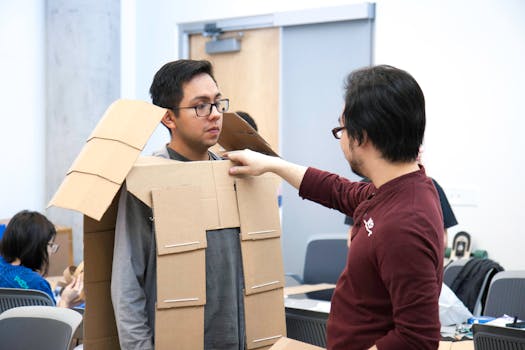
Understanding what is a senior project can be pivotal for students in their academic journeys. A senior project is a comprehensive assignment designed to synthesize the knowledge and skills students have acquired throughout their education. Typically, this project encompasses research, problem-solving, and practical application, culminating in a presentation or report that showcases a student’s proficiency in a specific subject area.
What is a Senior Project?
A senior project serves as a capstone experience for many high school or college students. It is an opportunity to demonstrate academic growth and mastery in a particular discipline. These projects vary widely depending on the educational institution and field of study, but they all share a common goal: to prepare students for future career opportunities or further education by applying theoretical concepts in a real-world context.
The Purpose and Benefits of Senior Projects
Senior projects offer students the chance to dive deeply into areas of personal or professional interest. By engaging in independent research or creative work, students develop valuable skills in critical thinking, project management, and communication. These projects can also provide a competitive edge when applying for jobs or continuing education.
Furthermore, senior projects often allow students to work closely with mentors or advisors, fostering collaboration and networking opportunities. This guidance is crucial in helping students refine their ideas and navigate complex tasks, simulating professional environments they may encounter post-graduation.
Types of Senior Projects
Senior projects can take various forms based on the field of study. Some common types include:
- Research Papers: In-depth analysis and synthesis of scholarly sources to answer a specific research question.
- Creative Projects: Artistic expressions such as films, performances, or artworks that convey an original idea or concept.
- Community Service Projects: Initiatives that address societal issues, aiming to improve or benefit the community.
- Technical Projects: Design and development assignments in fields like engineering or computer science, often involving prototypes or software applications.
Each type requires students to plan, execute, and document their work comprehensively, offering a hands-on learning experience.
Key Steps in Completing a Senior Project
Successfully navigating a senior project involves several key steps:
1. Selecting a Topic
Choosing a suitable topic is vital. Students should select themes they are passionate about and that align with their future aspirations. This makes the process engaging and worthwhile.
2. Research and Planning
Conducting thorough research and planning is crucial for laying a solid foundation. Students should use a variety of resources, such as academic journals, books, and credible online sources. Developing a detailed project plan or timeline helps in managing tasks effectively.
3. Execution
This stage involves putting plans into action, whether it’s conducting research, developing a prototype, or creating a performance. Regularly consulting with advisors ensures the project remains on track.
4. Presentation or Report
Finally, students present their findings or creations. This may include a written report, an oral presentation, or a demonstration. The presentation stage is an opportunity to showcase the student’s hard work and depth of knowledge.
For students seeking assistance in their senior project endeavors, it’s beneficial to consider how well-crafted letters of recommendation can support their applications for future opportunities.
Examples and Case Studies
Consider a senior project in environmental science focusing on renewable energy solutions. The student might research sustainable energy technologies, develop potential applications, and present their findings to a panel of experts. This type of project exemplifies how students apply classroom learning to tackle global challenges.
The broad spectrum of senior project topics reflects the diversity of student interests and future career trajectories. To learn more about the educational frameworks that support such academic projects, explore resources like this detailed overview of education systems on Wikipedia.
Conclusion
A senior project is more than just an academic requirement; it’s a stepping stone to post-graduate success. By understanding what is a senior project, students can tailor their efforts to maximize both educational and career prospects. Embracing the opportunities offered by these projects equips students with the skills necessary for lifelong learning and contribution to society.
- Senior projects integrate academic learning with real-world application.
- They help develop critical thinking, research, and communication skills.
- Mentorship plays a crucial role in guiding students through the process.
- Projects can be research, creative work, community service, or technical designs.
- Successful completion can enhance career and educational opportunities.
FAQ
What is the primary goal of a senior project?
The primary goal is to demonstrate a student’s academic and practical proficiency by applying their learning to solve a real-world problem or explore an area of interest.
How long does a senior project typically take?
The duration can vary, but most senior projects span several months, allowing adequate time for research, execution, and presentation.
Can you complete a senior project in groups?
Yes, some institutions allow group projects, which can promote teamwork and collaborative skills among students.
Do all seniors have to complete a project?
This depends on the educational institution. While some make it mandatory, others offer it as an elective or additional opportunity.
What happens if a senior project is not completed?
Failure to complete a senior project, if required, could affect graduation eligibility or final grades. It’s crucial to consult with academic advisors for guidance.

