
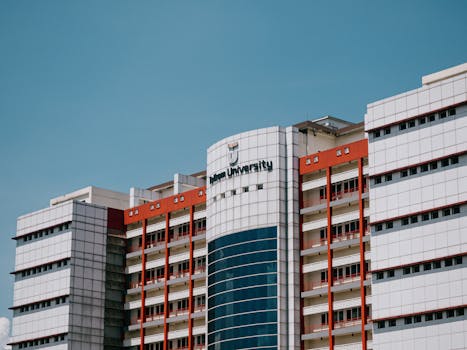
Attending a tier 1 university can open doors to a myriad of career opportunities, providing a stepping stone to success in various fields. These prestigious institutions offer not only rigorous academic programs but also a vast network of resources and connections that can significantly shape a student’s professional trajectory. In this article, we’ll explore how these universities foster career growth and what makes them stand out in the landscape of higher education.
What Defines a Tier 1 University?
A tier 1 university typically ranks high in national and international standings due to its outstanding teaching, research capabilities, and impactful community engagement. These universities often receive substantial funding, which aids in maintaining state-of-the-art facilities and pioneering research projects. With elite faculty members who are leaders in their fields, the educational quality ensures that students are well-prepared to face the challenges of the real world.
Attending a tier 1 university offers numerous benefits. Students have access to a rich array of free online courses that enhance learning experiences and enrich understanding in subjects such as astrophysics and quantum science. These programs not only broaden educational horizons but also make students more competitive in the job market.
Career Opportunities Through Tier 1 Universities
Graduating from a tier 1 university often elevates a candidate’s appeal to employers. The robust network of alumni and connections plays a crucial role in facilitating job placements and internships. Moreover, career services offered by these universities provide personalized guidance, resume reviews, and interview preparation, helping students navigate their career paths effectively.
Research opportunities at these institutions allow students to engage with groundbreaking projects. Participating in research not only hones critical thinking and problem-solving skills but also bolsters a resume, providing a competitive edge in sectors like technology, health, and education.
The Role of Alumni
Alumni networks are one of the strongest assets of a tier 1 university. These networks provide mentorship, job leads, and industry insights that can be instrumental in a graduate’s career. Attending events and engaging with these networks helps students and new graduates form valuable relationships that can lead to career advancements and opportunities.
Internships and Job Placements
Internships form a vital part of the learning experience at tier 1 universities, offering students practical exposure and the opportunity to apply theoretical knowledge. Many of these institutions have ties with leading companies and organizations, ensuring that students have access to some of the most coveted internships and job placements in their respective fields.
For those interested in the sciences, engineering, or technology, the competitive advantage of having attended a tier 1 university is bolstered by affiliations with research labs and industry leaders. This access often leads to innovation-driven careers, where graduates significantly contribute to advancements in their field.
What to Expect Academically
The academic rigor at a tier 1 university is unparalleled. Students are challenged to think critically and engage deeply with their studies. The interdisciplinary approach adopted by many of these institutions encourages broader perspectives, fostering creativity and innovation.
Furthermore, the diverse environment at tier 1 universities exposes students to a variety of cultures and ideas, enriching their educational journey. This diversity prepares students for global careers, where they can collaborate with international teams and contribute meaningfully to their workplaces.
Conclusion
Choosing to attend a tier 1 university is a significant decision that can shape one’s educational and professional journey. While these institutions demand high levels of commitment and excellence, the rewards, in terms of career success and personal growth, are immense. As the journey with a tier 1 university unfolds, opportunities for advancement, learning, and discovery abound, paving the way for a fulfilling career.
For further reading on education and tier 1 universities, you can explore more on this Wikipedia page.
- Tier 1 universities offer unparalleled academic and career resources.
- Alumni networks from these institutions are invaluable for career growth.
- Internships and job placements are significant advantages for students.
- The diverse environment prepares students for global career opportunities.
- Engaging with a tier 1 university demands excellence but offers substantial rewards.
What makes a university a tier 1 institution?
A tier 1 university is distinguished by its high rankings, exceptional faculty, robust research programs, and significant community impact, backed by substantial funding.
How do tier 1 universities benefit students’ careers?
They provide superior academic programs, extensive alumni networks, premier internship opportunities, and personalized career services that facilitate job placements and career success.
Why are alumni networks important?
Alumni networks connect graduates with mentors, industry insights, and job opportunities, playing a crucial role in career development and professional success.
Do these universities offer financial aid?
Yes, tier 1 universities often provide financial aid packages, scholarships, and funding opportunities to support students from diverse economic backgrounds.
What is the significance of research at tier 1 universities?
Research at these universities pushes the boundaries of knowledge, offering students the chance to work on innovative projects and cultivate essential skills applicable in various careers.

