In the competitive field of journalism, crafting a compelling journalist resume is essential for showcasing your skills and standing out from the crowd. Whether you’re a seasoned professional or just starting out, a well-structured resume can be your ticket to landing your dream job in media. This article will guide you through the process of creating an effective journalist resume, emphasizing key components that can make your application shine.
Components of an Effective Journalist Resume
A journalist resume should highlight your ability to tell stories and uncover facts. It’s essential to organize your resume in a way that clearly displays your capabilities and achievements.
Contact Information
Your contact information should be at the top of your resume. Include your full name, phone number, email address, and LinkedIn profile for potential employers to reach you easily.
Summary Statement
A compelling summary statement can grab the attention of hiring managers. In a few sentences, describe your experience, skills, and what you can bring to the organization. Tailor this section for each job application to align with the company’s needs and the job description.
Work Experience
List your work experience in reverse chronological order. For each position, include your job title, the name of the organization, location, and dates of employment. Briefly outline your key responsibilities and achievements in bullet points.
Education
Your educational background is crucial, especially if you’re new to the industry. Include your degree(s), the name of the institution, and graduation date. Mention any relevant coursework, honors, or activities that may support your role as a journalist.
Skills
A dedicated skills section helps highlight what you bring to the table. Consider including soft skills like communication, critical thinking, and time management, alongside technical skills such as proficiency with media editing software or knowledge of SEO.
Portfolio
A robust journalist resume should include a link to your portfolio, showcasing a selection of your best work. This is not only essential for showing your style and capability but also gives your potential employer an insight into your writing skill and creativity.
Tailoring Your Journalist Resume for Different Media Jobs
Customizing your journalist resume for specific jobs is vital in aligning your experiences with the job description. This approach can significantly increase your chances of grabbing the recruiter’s attention.
Print vs. Digital Media
If you’re applying to a traditional print outlet, emphasize your experience with investigative reporting or long-form stories. For digital media, focus on your familiarity with social media platforms, and content management systems, and mention if you have worked on multimedia content.
Broadcast Journalism
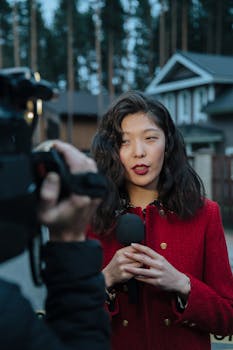
If you’re seeking a position in broadcast journalism, highlight experiences such as presenting, producing, or video editing. Consider mentioning any live reporting or production experience you have had.
Freelance Journalism
For freelance positions, emphasize your ability to manage multiple projects simultaneously, your diverse client base, and perhaps, most importantly, your successful pitches that led to published pieces.
Managing employment gaps can be challenging. Consider exploring our guide on explaining employment gaps effectively.
Enhancing Your Journalist Resume with Achievements and Metrics
Showcasing your achievements with specific metrics can greatly enhance your journalist resume. Did you increase website traffic? Specify the percentage. Did a related campaign influence change? Mention the impact.
Quantifiable Achievements
Employers appreciate seeing quantifiable achievements. If you managed an editorial team, mention how you improved productivity or reduced the turnaround time for articles.
Awards and Recognitions
If you have received any journalism awards or recognitions, be sure to include them. These accolades can set you apart from other applicants, especially if they carry prestige in the field.
Final Touches for a Professional Journalist Resume
Before you hit send, it’s important to review and ensure your resume is polished and professional. Check for grammatical errors, and ensure consistency in formatting. Have a mentor or a peer review your resume to catch any mistakes you might have overlooked.
As you refine your journalist resume, remember to align it with the job description while maintaining honesty about your experiences and skills. Your perfect journalist journey begins with a stunning journalist resume.
For further insights into the journalism industry, you can explore resources that help develop your career pathways like this article from Bureau of Labor Statistics.
- Start your resume with clear contact information and a compelling summary.
- Include a link to your portfolio to showcase your best work.
- Customize your resume for print, digital, or broadcast media roles.
- Highlight achievements with specific metrics and awards.
- Ensure your resume is free of errors and reflects professionalism.
What should be included in a journalist resume?
A journalist resume should include contact information, a summary statement, work experience, education, skills, and a link to a portfolio of work.
How can I tailor my resume for different journalism roles?
Customize your resume by emphasizing skills and experiences most relevant to the specific type of media job, such as print, digital, or broadcast journalism.
Why is a portfolio important for journalists?
A portfolio showcases a journalist’s best work, style, and capability. It is crucial for employers to assess the creativity and writing skill of candidates.
Can awards enhance my journalist resume?
Yes, including awards and recognitions can significantly enhance your resume by demonstrating your skills and achievements in the field.
Where can I find more information about journalism careers?
For more information on journalism careers, you can visit the Bureau of Labor Statistics website.