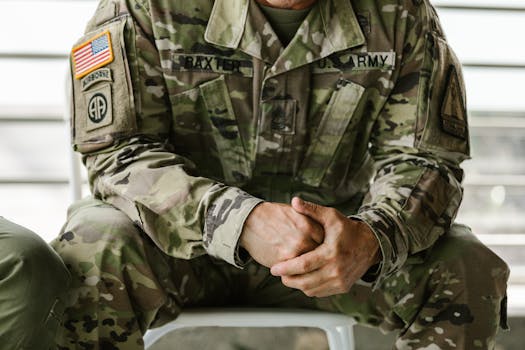
In the Army, the word “hooah” is more than a simple utterance; it’s a versatile expression loaded with motivation, camaraderie, and spirit. Whether you’re exploring the sound resonating through barracks or curious about its historical roots, understanding the hooah army helps in grasping a pivotal part of military culture. Though it shares phonetic similarities with “hoorah” or “hoah,” used by different branches, its essence in army culture is unique and profound.
Understanding the Hooah Army Phenomenon
The term “hooah” is steeped in tradition and deeply entrenched in Army lifestyle. While its hooah meaning varies slightly in different contexts, it generally signifies readiness, enthusiasm, and a collective mindset. It can mean “yes,” “understood,” or even “let’s do it!” and is used liberally in training and combat scenarios.
The popular legend credits the origin of “hooah” to the mispronunciation of “heard, understood, and acknowledged” by Scottish soldiers, evolving over time to its current form. Today, the spirit encapsulated by “hooah” is vital for fostering unity and resilience within the ranks.
What is the Definition of Hooah?
Attempting to pinpoint a singular definition of hooah is complex due to its varied usage. In the hooah army, it’s less about a direct translation and more about feeling an inherent energy and solidarity. It’s an evolving phrase open to personal interpretation, embodying the strength of army brotherhood and sisterhood.
The Cultural Significance in Army Life
Hooah serves as a morale booster, a verbal nod to shared values and the indomitable spirit of army personnel. This makes it indispensable in ceremonies, training, and daily life in the military. It’s a testament to unity and perseverance, underpinning the unique ethos of military duties.
For those navigating their career in the Army or seeking a sense of belonging during challenging times, accessing such a spirit can fuel both personal development and collective strength. For more career-related advice in this field, check out our guide to explaining employment gaps.
Comparing Hooah, Hoah, and Hoorah
While “hooah” and “hoorah” might sound similar, they belong to distinct branches, with “hoorah” being commonly attributed to the Marine Corps. The pronunciation and significance can slightly alter how they are perceived, but at their core, they all reflect a sense of pride and readiness. Such phrases convey alignment with the core values and mission objectives of each service.
Instilling Army Values Through Hooah
In the army, embodying the principles of loyalty, duty, respect, and integrity often begins with adopting hooah meaning. It’s a gateway to understanding military hierarchy and facilitating growth in leadership roles. New recruits, especially, find that channeling the energy of “hooah” helps in overcoming initial challenges, establishing their identity within the unit.
The Role of Hooah in Military Ceremonies
Military ceremonies and marches commonly echo with cries of “hooah,” punctuating the air with motivation and focus. This showcases its deep-seated place within army tradition. During these events, it acts as a communal salute, reaffirming commitment and vigilance.
The Hooah Army: A Lasting Legacy
Ultimately, the hooah army concept is here to stay, encapsulating the continuity and evolution of military tradition. It’s not merely a word, but a symbol—a code of conduct transferred between generations, enriching army culture with a spirited legacy.
- Hooah signifies readiness, enthusiasm, and a shared sense of mission in the Army.
- Its precise origin is debated but universally acts as a morale booster.
- The phrase differs from “hoorah,” yet both symbolize pride and solidarity.
- Key to army life, it fosters unity, resilience, and instills core values.
- In military ceremonies, “hooah” punctuates unity and commitment.
What does “hooah” mean in the Army?
“Hooah” is a multifaceted expression used to convey readiness, understanding, and spirit among Army personnel. It reflects the enthusiasm and dedication inherent in army roles.
What is the origin of the word “hooah”?
The origin of “hooah” is not definitively established but is often linked to a phonetic evolution from “heard, understood, and acknowledged,” tracing back to Scottish military influences.
How is “hooah” different from “hoorah”?
While both expressions symbolize pride and readiness, “hooah” is predominantly used in the Army, whereas “hoorah” is a term used by the Marine Corps.
Why is “hooah” important in military ceremonies?
Hooah underscores unity, tradition, and shared commitment in military ceremonies, reinforcing the esprit de corps among Army soldiers.
Where can I learn more about military traditions?
You can explore more about military traditions and their significance through various educational resources, including the wikipedia entry on military.