
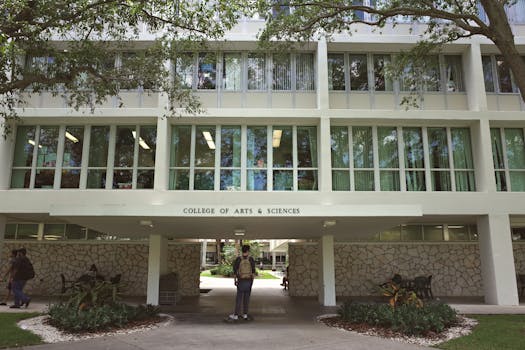
Understanding what is room and board in college is essential for students and families preparing for higher education expenses. Room and board is a term that refers to the costs associated with living and dining while attending college. This component of college expenses often represents a significant portion of the overall budget for students.
What is Room and Board in College?
Room and board in college commonly includes two primary aspects: lodging and meals. The “room” part refers to the dormitory or housing costs, while “board” generally involves meals, usually through a meal plan on campus. This arrangement helps streamline the living and dining situation for students, ensuring they have a consistent place to reside and a regular eating schedule. The inclusions and costs can vary greatly between different institutions and even among different plans available at the same institution.
Components of Room in College
The “room” component encompasses the accommodations provided by the college, which can range from shared dormitory rooms to private apartments. Amenities vary, including furniture, utilities (like electric, water, internet), and sometimes additional features such as housekeeping or laundry facilities. Different colleges might offer options like single rooms, shared suites, or living-learning communities.
Understanding Board: Does Room and Board Include Food?
Yes, the “board” part of room and board does include food. This usually involves a meal plan allowing students to dine at campus facilities. Meal plans may vary in the number of meals provided per day or week, and some might include a set amount of campus dining dollars that can be used at various campus dining locations.
Additional Considerations in Room and Board Meaning College
Though room and board primarily cover lodging and meals, there are other considerations. Some plans might include access to campus facilities like gyms, libraries, and computer labs. Additionally, some institutions provide extra benefits, such as transportation within the campus or access to wellness resources.
Pricing for room and board varies based on several factors, including housing type, meal plan selection, and geographical location of the college. It is essential for students and families to examine the specific details and inclusions offered by their chosen institution to understand and budget appropriately.
Students may sometimes have the option to live off-campus, which can affect their overall living expenses significantly. Living off-campus often requires separate budgeting for rent, utilities, groceries, and commuting costs. For those considering this route, transitioning back into an academic environment, such as adapting to new learning formats, may require careful planning.
Evaluating the True Cost of Room and Board
It’s critical to conduct a thorough review of the room and board offerings when comparing college costs. Students should consider not only the financial aspect but also how the options available align with their personal needs and lifestyle choices. For example, some might be willing to pay more for a single room for added privacy, while others might prioritize a larger meal plan if they have a larger appetite or dietary restrictions.
According to educational resources, some colleges offer financial aid packages that include or help manage room and board costs, making college more affordable for students from diverse financial backgrounds.
Takeaways
- “Room and board” covers housing and meals.
- Costs and inclusions vary among institutions.
- Understanding the meal plan is key to budgeting.
- Consider additional benefits like access to facilities.
- Comparing options helps in making a financially sound decision.
FAQ
Does room and board cover all living expenses?
No, room and board cover lodging and meals, but students may need to budget for personal expenses not included in these costs.
Can meal plans be customized?
Many colleges offer various meal plan options, allowing students to select a plan that suits their eating habits and schedule.
Is off-campus living cheaper than room and board?
This depends on the location and specific costs involved. While off-campus living can sometimes be cheaper, it often requires managing external expenses like utilities and food.
What should I consider when comparing room options?
Consider location, amenities, type of room (single, double, suite), and any personal lifestyle preferences when reviewing housing options.
How can I reduce room and board costs?
Research financial aid packages, scholarships, or work-study opportunities that can help offset room and board expenses.

