
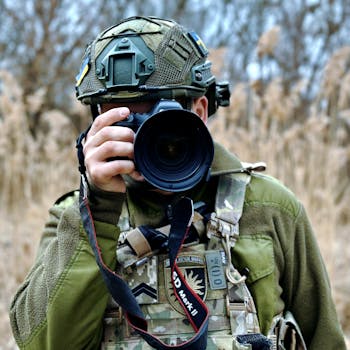
Photojournalism is a captivating blend of photography and journalism, demanding both technical skill and creative storytelling. If you’ve ever wondered how to become a photojournalist, you’re aiming for a career that requires a keen eye, sharp observational skills, and a desire to narrate stories through images. This guide will explore the steps necessary to embark on this dynamic career path and offer insights into succeeding as a photojournalist.
How to Become a Photojournalist
The journey to becoming a photojournalist involves a mix of formal education and practical experience. Many aspiring photojournalists start with a degree in journalism, photography, or a related field. Education provides a strong foundation in the principles of journalism, ethics, and media law, which are crucial for a successful career in photojournalism.
Education and Training
While a degree is not always mandatory, it can significantly enhance your understanding of the field. Courses in journalism, photography, art history, and communication can be incredibly beneficial. Many esteemed art schools in Europe offer programs that rank highly for aspiring photojournalists.
Technical skills are a crucial component of the profession. Aspiring photojournalists should master camera technology, photo editing software, and understand the nuances of digital and traditional photography. Internships and hands-on experiences can bridge the gap between academic knowledge and real-world applications.
Building a Strong Portfolio
A compelling portfolio is indispensable for a photojournalist. It should showcase your best work across various themes and stories. Diversity in your portfolio demonstrates your ability to adapt to different assignments and styles. Include a mix of candid shots, portraits, and events that reflect your storytelling capabilities.
Seek opportunities to have your work published. This could be through local newspapers, online magazines, or personal blogs. Having your work in the public eye builds credibility and can lead to further professional opportunities.
Networking and Joining Professional Organizations
Networking is pivotal in the journalism industry. Connect with other photographers and journalists at events, workshops, and through social media platforms. Building a professional network can open doors to collaborations, assignments, and job opportunities.
Consider joining professional organizations such as the National Press Photographers Association (NPPA) or the World Press Photo Foundation. These organizations offer resources, forums, and support for photojournalists, as well as contests and exhibitions to showcase your work. Additionally, they provide a platform to stay updated on industry trends and ethical standards.
Developing a Niche
While versatility is an asset, developing a niche can make you stand out. Whether it’s war photography, environmental journalism, or socio-cultural stories, specializing can help focus your efforts and build a reputation as an expert in a particular area.
Always staying informed about global events and understanding cultural contexts are crucial. Consider how your work can contribute meaningfully to public discourse and awareness.
Navigating Challenges in Photojournalism
Photojournalism is not without its challenges. It requires resilience, persistence, and adaptability. Working conditions can be demanding, with strict deadlines and potential barriers while covering sensitive areas. It’s essential to develop strong interpersonal skills and maintain a professional demeanor under pressure.
Photojournalists may sometimes find themselves in dangerous environments. Learning to assess risks and ensuring personal safety is paramount. Collaborate with peers when covering high-risk topics to gather support and share responsibilities.
Continuing Education and Lifelong Learning
The world of photography and journalism is ever-evolving. Staying abreast of advancements in technology and media practices through seminars, online courses, and workshops is important for every photojournalist. Embrace continuous learning to refine your skills and maintain a competitive edge.
Keep experimenting with new techniques and formats. Whether it’s mastering drone photography or experimenting with multimedia stories, expanding your skillset can lead to more exciting assignments.
In conclusion, understanding how to become a photojournalist is only the beginning of an exhilarating career that melds creativity with a passion for storytelling. By investing in education, building a robust portfolio, and staying connected with the global community of photographers, you can achieve success in this inspiring profession.
FAQs
What skills are essential for a photojournalist?
Photojournalists need strong photography skills, an understanding of journalism principles, and excellent storytelling abilities. Technical skills with cameras and editing software are also vital.
Is a degree necessary to become a photojournalist?
While not strictly required, a degree in journalism or photography can provide valuable skills and industry knowledge that can aid career advancement.
How can I build a portfolio for photojournalism?
Create a diverse collection of your best work, showcasing your ability to tell stories across various contexts. Publish work in local publications or online platforms to increase visibility.
What challenges might a photojournalist face?
Challenges include working under tight deadlines, covering emotionally intense situations, and sometimes facing dangerous conditions. Strong ethical judgment and risk assessment abilities are crucial.
Where can I find more information on photojournalism?
Professional organizations like the National Press Photographers Association offer resources and support. For broader educational context, refer to Wikipedia’s page on photojournalism.
- Photojournalism blends technical skill with storytelling.
- A strong educational background helps, but a degree is not mandatory.
- Building a diverse portfolio is crucial for career advancement.
- Networking and joining professional organizations offer resources and opportunities.
- Continuous learning is essential in this ever-evolving field.

