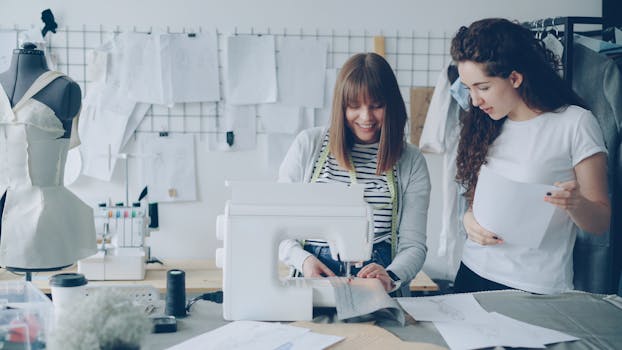
The fashion industry is a vibrant and dynamic field that offers a wide array of occupations, each contributing to the ever-evolving world of style and aesthetics. Whether you are interested in designing, marketing, or trend forecasting, there are numerous opportunities for you to explore. Understanding these occupations in fashion can help you navigate this exciting industry and find the career path that best suits your talents and interests.
Popular Occupations in Fashion
The fashion industry encompasses a variety of roles that span creativity, business acumen, and technical skills. Below are some key occupations within the sector:
Fashion Designer
Fashion designers are at the heart of the industry. They conceptualize and create clothing, accessories, and footwear. Designers often have a keen eye for color, texture, and style, and they must stay ahead of trends to produce collections that appeal to consumers.
Textile Designer
Textile designers create designs and patterns for fabrics. They work with various materials and use both traditional and digital methods to develop textiles that meet the needs of different fashion products.
Fashion Buyer
Fashion buyers are responsible for selecting and purchasing clothing and accessories for retail stores. They need to have a deep understanding of consumer trends and a strong sense of what products will be popular in upcoming seasons.
Fashion Merchandiser
Merchandisers play a crucial role in the retail side of fashion. They plan and manage product ranges, work closely with buyers, and ensure that stores meet sales targets. Their strategic decisions influence how products are displayed and marketed to customers.
Trend Forecaster
Trend forecasters predict future fashion trends by analyzing data from past and present markets. They consider cultural and social influences to help designers and retailers understand what styles will be in demand.
Fashion Stylist
Fashion stylists use their expertise to coordinate outfits and accessories for advertising campaigns, editorial shoots, and personal clients. Their work sets the tone and theme for visual narratives and helps promote fashion products.
Visual Merchandiser
Visual merchandisers are responsible for designing enticing displays and layouts in retail stores to attract customers and encourage sales. Their creativity helps translate brand concepts into physical environments that enhance the shopping experience.
Read more about how studying abroad can shape your fashion career.
The Role of Technology in Fashion Careers
Technology continues to reshape the fashion industry, creating new opportunities and transforming traditional roles:
Fashion Technologist
Fashion technologists focus on the technical aspects of clothing production, including fabric innovation, garment engineering, and sustainable practices. They ensure that production processes are efficient, cost-effective, and environmentally friendly.
Digital Fashion Designer
Digital fashion designers use software to create virtual fashion models, garments, and accessories. This role has grown with the rise of digital marketing and e-commerce, allowing designers to showcase their work in virtual spaces.
Fashion brands are increasingly relying on digital tools to enhance their designs and streamline the production process. Emerging technologies like 3D printing and augmented reality are becoming integral parts of fashion design and retail.
Learn more about the fashion industry’s history and innovations.
Skills and Education Necessary for Fashion Careers
While a passion for fashion is essential, professionals in the industry also need specific skills and education credentials:
Educational Requirements
Many occupations in fashion require formal education, often with degrees in fashion design, fashion merchandising, or textile and apparel management. However, self-taught individuals with strong portfolios can also find success.
Skills in Demand
Creativity, an understanding of color theory, and excellent communication skills are essential. Additionally, knowledge of business and marketing can give a competitive edge in fashion-buying, merchandising, and management roles. Familiarity with computer-aided design (CAD) software and other digital tools is increasingly important in the industry.
Conclusion
Understanding the array of occupations in fashion can open doors to a fulfilling career in this dynamic industry. Whether your passion lies in design, technology, or merchandising, there is a niche for everyone. As the industry evolves, adapting to changes and continuously enhancing your skills will ensure long-term success and satisfaction in your chosen career path.
- The fashion industry offers diverse career paths from design to technology.
- Fashion careers require a balance of creativity and business acumen.
- Emerging technologies are reshaping traditional fashion roles.
- Formal education can enhance career prospects, but experience and a strong portfolio are invaluable.
- Staying updated on trends is crucial for success in fashion occupations.
What does a fashion designer do?
Fashion designers create original clothing, accessories, and footwear, often working on ideas from concept to final product.
How important is education for a career in fashion?
While formal education can provide essential skills and knowledge, experience and a strong portfolio are equally important in advancing a career in fashion.
What skills are essential for a fashion career?
Essential skills include creativity, technical proficiency with design software, an understanding of fabrics and materials, as well as strong communication and marketing skills.
How is technology impacting fashion occupations?
Technology is revolutionizing fashion careers by introducing digital design, 3D printing, and better data analysis for predicting trends.
What are some emerging trends in the fashion industry?
Emerging trends include sustainable fashion, digital fashion shows, and increasing use of technology in both design and retail processes.