
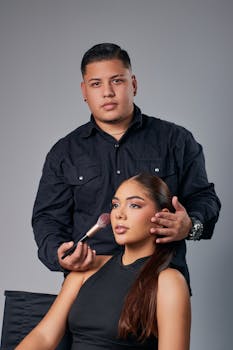
In today’s dynamic beauty industry, the role of a makeup artist has evolved from traditional applications for film and theater to encompass a wide variety of responsibilities. To understand a makeup artist job description, one must consider the diverse skills and expertise required in this multifaceted profession. Successful makeup artists work not only in beauty but also in fashion, marketing, advertising, and education, creating an exciting and varied career path.
The Makeup Artist Job Description
The core responsibility of a makeup artist revolves around applying cosmetics and creating visual effects to enhance an individual’s appearance according to the client’s needs. However, the role goes beyond mere application. Makeup artists must demonstrate artistic ability, understand color theory, and possess the skills for precision in their work. Whether working on a film set or for a private client, they must tailor their techniques to fit different skin types, face shapes, and desired styles.
Key Skills and Responsibilities
- Artistic Expression: A keen eye for detail and artistic creativity is essential for makeup artists to design original looks.
- Communication Skills: Listening to clients and understanding their vision is crucial. Artists must communicate effectively to ensure client satisfaction.
- Time Management: Whether preparing for a film shoot or a bridal party, makeup artists often work under tight deadlines.
- Sanitation and Safety: Understanding skin hygiene and maintaining sanitary tools are vital responsibilities.
- Continuous Learning: Keeping up with beauty trends and new products is necessary to offer modern and innovative styles.
Work Environments of a Makeup Artist
Makeup artists enjoy diverse work environments. Many work in movie and television production, where they create everything from realistic stage makeup to intricate fantasy looks. Others may specialize in fashion, collaborating on runway shows and photoshoots. The rise of social media has opened opportunities for makeup artists to become influencers, showcasing their skills directly to thousands of followers.
Beyond entertainment and fashion, makeup artists find roles in salons and spas, where they help clients prepare for significant events like weddings or graduations. Additionally, there are opportunities in retail, where artists advise customers in cosmetic departments or work as part of a brand’s beauty team.
Training and Education Pathways
Entering the field often requires completing a specialized beauty school program. Many makeup artists opt for courses in cosmetology, which can offer a broader foundation in beauty techniques. Aspiring artists should consider programs focused on their interests, such as special effects or bridal makeup.
For those seeking financial assistance for training, exploring scholarships for art students can be beneficial. These opportunities can provide the financial support needed to pursue education in this creative industry.
Certifications and Qualifications
In some regions, makeup artists may need a cosmetology license, which can be obtained after completing an accredited program and passing a state exam. While not all positions require certification, having credentials can enhance a resume and open doors to more opportunities.
Continuous professional development is crucial. Many makeup artists attend workshops and seminars to learn the latest techniques and stay ahead in this competitive industry.
The Future of Makeup Artistry
The beauty industry is ever-changing, with innovations in technology influencing makeup artistry. Digital frameworks and augmented reality (AR) are being incorporated into client consultations and training methods. The demand for personalized virtual makeup sessions is also on the rise, creating new avenues for growth.
Additionally, there’s a growing awareness of sustainable beauty practices. Makeup artists are increasingly opting for eco-friendly products, which reflect the industry’s shift towards sustainability.
Thriving as a Makeup Artist
Success in this field requires both passion and a dedication to learning. Makeup artists often find rewards in the personal fulfillment that comes from helping individuals express themselves and gain confidence. As the field continues to expand, the makeup artist job description remains as dynamic as ever, requiring adaptability and creativity to thrive.
For further insights into education and training, consider visiting this comprehensive educational resource.
- A makeup artist must possess artistic skill and strong communication abilities.
- Various work environments include film, fashion, salons, retail, and social media.
- Ongoing education is crucial to keep up with industry trends.
- Licensing and certifications may enhance career prospects.
- Sustainable practices are becoming a significant trend in the beauty industry.
FAQ
What is the role of a makeup artist?
The role of a makeup artist involves applying cosmetics to enhance or alter a person’s appearance based on specific requirements, such as weddings, theatrical performances, or photoshoots.
Do makeup artists need formal training?
While formal training may not always be required, it is beneficial. Completing a cosmetology program or specialized courses can improve skills and career opportunities.
What skills are important for a makeup artist?
Important skills include artistic creativity, communication, time management, understanding hygiene and safety protocols, and staying updated on beauty trends.
Where can makeup artists find work?
Makeup artists can work in a variety of settings, including entertainment and film, fashion shows, retail, and personal client services such as weddings or special events.
Is there a future for makeup artists with new technology?
Yes, advancements such as augmented reality and virtual consultations are expanding opportunities for makeup artists, allowing for innovative practices and services.

