
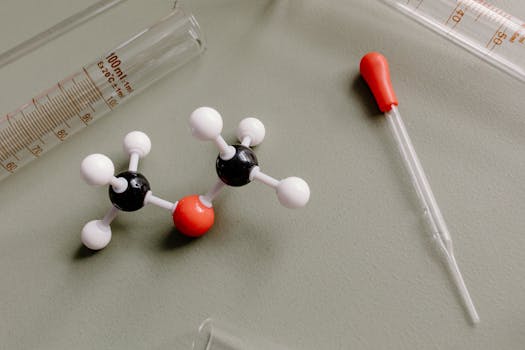
Chemistry science projects offer a wonderful opportunity for students to explore the fascinating world of chemical reactions, compounds, and processes. By engaging in hands-on activities, students not only enhance their understanding of chemistry but also cultivate essential scientific skills. Whether you’re looking to conduct experiments at home or searching for ideas for school science fairs, chemistry projects can ignite curiosity and inspire future scientists.
Embracing Chemistry Science Projects
Chemistry science projects are a great way to apply theoretical knowledge and explore the intricacies of chemistry in a practical manner. By working on projects, students learn how to formulate hypotheses, conduct experiments, and analyze results—all fundamental aspects of the scientific method. Moreover, participation in chemistry science fair projects can build critical thinking and problem-solving skills, which are invaluable in various career fields.
Top Chemistry Science Fair Projects for Students
Finding the right chemistry science fair projects can be a daunting task, especially with the multitude of possibilities available. Here are some popular themes and ideas to consider:
- Volcano Eruption Simulation: This classic project involves creating a chemical reaction that simulates a volcanic eruption using baking soda and vinegar. It is a fantastic way of illustrating acid-base reactions.
- Crystal Growth Experiments: Experimenting with different solutions, students can grow their own crystals, exploring concepts such as solubility and saturation.
- Electrolysis of Water: By splitting water into hydrogen and oxygen using an electric current, students can learn about electrochemical reactions and gas properties.
- Natural pH Indicators: Using red cabbage juice, students can test household substances to determine their pH level, learning about acids, bases, and pH scales.
- Exothermic and Endothermic Reactions: Experiments involving temperature changes can illustrate chemical energy transfer, perfect for chemistry related science fair projects.
Crafting Engaging Chemistry Science Fair Topics
When selecting chemistry science fair topics, consider the interests of the student and the complexity of the experiment. The right topic can inspire and engage, leading to a rewarding educational experience. Some notable topics include:
- Exploring Catalysts: Investigate how different catalysts affect the rates of chemical reactions.
- Soap and Emulsification: Explore how soaps are able to emulsify oils and water, emphasizing micelle formation.
- Biodegradability of Plastics: Test how various environmental conditions influence the breakdown of plastics, a timely topic amidst global sustainability efforts.
Understanding the Chemistry Behind Everyday Products
Science fair projects involving chemistry can delve into the compounds and reactions behind products used daily. For example, students can explore:
- Baking Variations: Test how different leavening agents—baking soda versus baking powder—affect the texture and rise of baked goods.
- Effectiveness of Antacids: Research how well different antacid formulations neutralize stomach acid.
Safety Tips and Precautions
While chemistry experiments can be exciting, safety must always be a top priority. Here are some essential safety tips:
- Always wear protective gear, such as goggles and gloves.
- Conduct experiments in a well-ventilated area.
- Be aware of and label all substances used, especially potential hazards.
- Ensure adult supervision during complex or risky experiments.
It is also helpful to consult reliable resources to further understand the safety measures required for specific experiments. For more detailed safety guidance, you can refer to this article on laboratory safety.
Extending Learning Beyond Chemistry
Engaging in chemistry science projects can fuel a broader interest in science and technology. Many platforms offer free courses that cover numerous scientific domains, including astrophysics and quantum science. Exploring such resources can complement practical experiments with theoretical knowledge.
The Impact of Chemistry Science Projects
By immersing themselves in chemistry science projects, students can develop a robust understanding of scientific principles and processes. These projects not only spark interest in chemistry but also encourage students to think critically, creatively, and analytically. As they explore chemistry related science projects, they gain valuable insights that extend beyond the academic field, potentially inspiring future career paths in science, technology, engineering, and mathematics (STEM).
- Chemistry science projects enhance hands-on learning.
- They help students grasp fundamental scientific concepts.
- Science fair projects involving chemistry foster critical thinking skills.
- Experiment-based learning can inspire future scientific careers.
- Safety precautions are essential for conducting experiments.
Frequently Asked Questions
What are some easy chemistry science projects for beginners?
Beginners can start with simple experiments like creating a vinegar and baking soda volcano, growing crystals from sugar or salt, and testing the pH of common household liquids using natural indicators like red cabbage juice.
How do chemistry projects benefit students educationally?
They promote understanding of scientific principles, encourage critical thinking, and teach students the scientific method. These projects also offer real-world applications of classroom learning, making theoretical concepts more tangible.
Where can I find resources for chemistry related science projects?
Numerous online educational platforms and libraries offer valuable resources, including instructions and guidelines for safely conducting chemistry experiments. Schools and local science clubs are also excellent sources of ideas and materials.
What safety measures should I take during chemistry experiments?
Wear appropriate safety gear such as gloves and goggles, work in a well-ventilated area, label chemicals accurately, and have adult supervision, especially when handling dangerous substances.
Can chemistry science projects inspire interest in other scientific fields?
Absolutely. Engaging in chemistry projects can ignite interest in other fields such as biology, physics, and environmental science. The fundamental skills and curiosity gained from chemistry experiments are transferable across various areas of study.
In conclusion, chemistry science projects provide an exciting avenue for students to explore the wonders of chemistry and broader scientific principles. By delving into hands-on experiments, they can nurture curiosity and critical thinking skills essential for future scientific endeavors.

