
You arrive at a property where the lawn is overgrown, shrubs block a walkway, and several flower beds need attention before an event. A landscaper must quickly assess the site, choose the right tools, prioritize the work, and leave the grounds attractive and safe. That combination of physical work, plant care, equipment operation, and practical decision-making is at the heart of a landscaper job description.
Landscapers maintain and improve residential, commercial, recreational, and public outdoor spaces. They may work for landscaping companies, property managers, schools, municipalities, golf courses, parks, or individual property owners. Although some positions focus on routine lawn care, others involve irrigation, hardscape installation, seasonal cleanup, or specialized plant maintenance.
What Does a Landscaper Do?
A landscaper installs, maintains, and repairs outdoor features so that a property remains functional, orderly, and visually appealing. Daily assignments vary according to the employer, season, climate, and type of property.
A typical landscaping position description may include the following duties:
- Mowing, edging, aerating, watering, and fertilizing lawns
- Planting flowers, shrubs, trees, grass seed, and sod
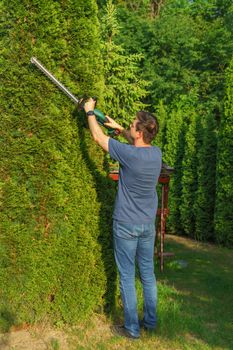
- Pruning hedges, shrubs, and small trees
- Removing weeds, fallen branches, leaves, litter, and other debris
- Applying mulch, compost, soil, or approved plant treatments
- Digging holes, trenches, and planting beds
- Installing or maintaining basic irrigation and sprinkler components
- Building or assisting with walkways, patios, borders, retaining walls, and other hardscape features
- Inspecting plants for signs of pests, disease, drought, or damage
- Operating mowers, trimmers, blowers, tillers, saws, and other equipment
- Cleaning tools and completing basic equipment maintenance
- Loading, transporting, and unloading plants, tools, and materials
- Clearing snow or applying ice-control materials when required
- Following project plans, work orders, and supervisor instructions
The U.S. Bureau of Labor Statistics overview of grounds maintenance work explains that workers commonly maintain lawns, plant vegetation, trim shrubs, apply treatments, and monitor plant health.
Typical Work Environment
Most landscaping work takes place outdoors, including during hot, cold, humid, windy, or wet conditions. Employees may work at private homes, office complexes, apartment communities, hotels, campuses, parks, athletic fields, and construction sites. The job often requires travel between locations during the workday.
Landscapers spend substantial time standing, walking, bending, kneeling, reaching, digging, and lifting. They may repeat the same movement for extended periods or work around noise, dust, pollen, chemicals, sharp tools, and moving equipment. Employers generally provide safety procedures and may require protective items such as gloves, sturdy footwear, eye protection, hearing protection, or high-visibility clothing.
Schedules can begin early in the morning and may become longer during spring, summer, and fall. Some jobs are seasonal, while year-round positions may include winter cleanup, equipment servicing, or snow removal.
Essential Landscaper Skills
Plant and Lawn Care
A landscaper should understand basic watering, planting, pruning, mulching, and turf-care methods. Experienced workers may also identify common plant problems, improve soil conditions, and select maintenance techniques suited to a particular species or season.
Tool and Equipment Operation
Workers must use hand tools and powered equipment correctly. This includes inspecting equipment before use, following operating instructions, keeping guards in place, and reporting damage or mechanical problems promptly.
Physical Stamina and Coordination
Landscaping is active work. Employees need enough stamina to complete outdoor tasks for much of the day and sufficient coordination to control tools safely. Some positions require workers to lift or carry heavy bags, plants, stones, equipment, and other materials.
Attention to Detail
Small details can significantly affect the finished property. A dependable landscaper notices uneven mowing, damaged irrigation components, missed weeds, poor edging, unhealthy plants, and debris that could create a tripping hazard.
Communication and Teamwork
Landscapers frequently work in crews and must understand instructions, coordinate tasks, and communicate hazards or site concerns. Those who interact with customers should be polite, dependable, and able to explain completed work without using unnecessary technical language.
Time Management
A crew may visit several properties in one day. Workers must complete assignments efficiently without sacrificing quality or safety. Punctuality is particularly important when transportation, equipment, and job schedules depend on the entire crew arriving on time.
Education, Experience, and Qualifications
Many entry-level landscaper jobs do not require a college degree or formal educational credential. Employers commonly provide on-the-job instruction covering tools, equipment, plant care, jobsite procedures, and quality standards. A high school diploma or equivalent may be preferred for some positions.
Previous experience in landscaping, gardening, farming, construction, groundskeeping, or equipment operation can make a candidate more competitive. Coursework or training in horticulture, arboriculture, irrigation, landscape design, or small-engine repair may also be valuable.
Common job requirements include:
- Ability to follow verbal and written instructions
- Willingness to perform physical work outdoors
- Reliable attendance and transportation
- Ability to use landscaping tools safely
- Basic knowledge of plants, lawns, and seasonal maintenance
- Ability to work independently and as part of a crew
- Valid driver’s license when driving company vehicles is required
- Authorization or licensing for pesticide application when required by state law
Requirements should match the actual position. For example, a worker assigned only to mowing and cleanup should not automatically be expected to have advanced tree-climbing, chemical application, or hardscape construction experience.
Safety Responsibilities
Safety is a central part of the landscaper job description because employees may work with sharp blades, powered machinery, vehicles, chemicals, heavy materials, and changing weather conditions. A landscaper should wear assigned protective equipment, inspect tools before use, keep bystanders away from active work areas, and follow procedures for fueling, transporting, and storing equipment.
Workers should also report damaged tools, chemical spills, overheating symptoms, unsafe terrain, exposed electrical lines, and other hazards immediately. Pesticides, herbicides, and fertilizers must be handled according to product instructions, workplace training, and applicable regulations. Employees should never perform a specialized task unless they have received the necessary training and authorization.
Landscaper Versus Landscape Architect
A landscaper is not the same as a landscape architect. Landscapers perform installation and maintenance work in outdoor spaces. Landscape architects typically plan and design larger outdoor projects and generally need specialized education and professional licensing. A landscaping crew may follow plans created by a designer or architect, but entry-level crew members are not usually responsible for professional design services.
Career Growth Opportunities
With experience, a landscaper may become a crew leader, equipment operator, irrigation technician, pesticide applicator, grounds supervisor, estimator, account manager, or business owner. Learning plant identification, customer service, scheduling, project costing, and equipment repair can support advancement.
People considering this path should compare its outdoor setting and hands-on work with its physical demands, seasonal schedules, and weather exposure. Reviewing the broader advantages and disadvantages of technical careers can help applicants decide whether this type of practical occupation suits their abilities and long-term goals.
What Employers Should Include in a Job Posting
An effective posting should clearly state the work location, schedule, pay structure, duties, physical expectations, required experience, driving responsibilities, and whether the position is seasonal or permanent. It should also identify specialized requirements such as pesticide licensing, commercial driving, irrigation knowledge, or experience with particular machinery.
Clear expectations help applicants evaluate the role accurately and allow employers to attract candidates who are prepared for the work. The best landscaper job description is specific enough to explain an ordinary workday while remaining flexible enough to account for weather, seasonal priorities, and different client properties.

