
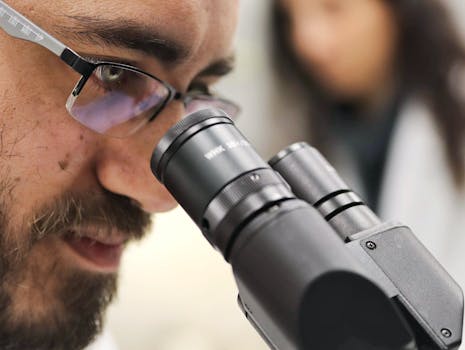
Finding free research opportunities for high school students can open doors to a world of discovery and academic growth. These opportunities allow students to engage in real-world research, potentially sparking a lifelong passion for science and technology. By participating in research projects, students develop critical thinking skills, gain valuable experience, and enhance their college applications.
Exploring Free Research Opportunities for High School Students
Various organizations and institutions offer free research programs for high school students. These programs cover a range of subjects such as science, technology, engineering, and mathematics (STEM), and they are an excellent way for students to deepen their understanding of these fields.
Benefits of Participating in Research Opportunities
Involvement in research projects can greatly benefit high school students. First, it provides hands-on experience, which is much more impactful than theoretical learning alone. Moreover, students learn valuable skills such as data analysis, hypothesis testing, and scientific writing.
Research projects also foster collaboration, as students often work in teams. This collaborative environment improves communication skills and teamwork abilities. Furthermore, students who participate in research gain insight into potential career paths and learn from mentors in their field of interest.
For example, research opportunities in astrophysics and quantum science offer students a chance to work with complex scientific concepts. You can learn more about online courses available in these fields to supplement research experience.
How to Find Free Research Programs for High School Students
Finding the right program requires some research and initiative. Start by exploring local universities and colleges which often host summer programs for high school students. Academic institutions may provide opportunities to work directly in their laboratories.
Government-sponsored programs like those offered by the National Science Foundation (NSF) can also be an excellent resource. These programs often focus on increasing diversity in STEM fields and supporting motivated young scientists.
Additionally, online databases and educational websites offer lists and details about available research programs. Networking with teachers and counselors can also uncover less-publicized opportunities that might be available in your area or online.
Examples of Free Research Opportunities
- Research Science Institute (RSI): Hosted by the Center for Excellence in Education, this prestigious summer program offers high school juniors a chance to conduct research at the Massachusetts Institute of Technology (MIT). Selected students engage in cutting-edge research across various fields of study.
- SEAP (Science and Engineering Apprenticeship Program): This program provides students with opportunities to participate in research activities under the guidance of scientists and engineers at Department of Defense laboratories.
- The Summer Science Program (SSP): This immersive research experience allows students to conduct independent projects under the mentorship of professional scientists.
Application Tips for High School Research Programs
When applying for research programs, preparation is key. Tailor your application by highlighting any related coursework or extracurriculars that demonstrate your interest in the subject. An enthusiastic and well-articulated statement of interest can set you apart from other applicants.
Recommendations from teachers or mentors who can vouch for your dedication and aptitude in your chosen research area are also crucial. Be sure to submit all required materials before the deadline, and follow up if confirmation of your application receipt isn’t provided.
The Role of Mentorship in Shaping Future Scientists
Mentorship is a vital component of any successful research experience. A good mentor provides guidance, feedback, and encouragement, helping students to navigate challenges that arise during the research process. They introduce students to scientific networks and often inspire them to pursue further studies and careers in research fields.
Such relationships are particularly important for students who may not have access to role models in scientific disciplines. A strong mentor-student relationship can make a significant difference in a student’s academic and professional journey.
Conclusion
Pursuing free research opportunities for high school students is a transformative experience that can significantly influence their educational trajectory. These programs offer practical exposure, skill development, and the chance to work alongside professionals, making research accessible and inspiring for young students.
- Research opportunities enhance learning and build critical skills.
- Numerous free programs are available across STEM disciplines.
- Applying early and preparing thoroughly increases success chances.
- Mentorship is integral to a rewarding research experience.
- Participation can positively impact college applications and career paths.
FAQ
What are free research opportunities for high school students?
These are programs that allow high school students to participate in research projects at no cost, often hosted by universities, government labs, or non-profit organizations.
How do I apply for research opportunities?
Applications typically involve submitting a resume, a statement of interest, and recommendations. Early application is advised to increase your chances of acceptance.
Are there programs available for students interested in non-STEM fields?
Yes, there are research opportunities in the humanities and social sciences, though they are less common. Be sure to explore diverse opportunities to find one that aligns with your interests.
How long do these research programs usually last?
Most summer research programs last between six to eight weeks, though some may offer longer or shorter terms, depending on the nature and requirements of the project.
What should I expect to learn from participating in a research project?
Besides gaining technical and scientific skills, you will develop critical thinking abilities, learn to work collaboratively, and understand the intricacies of conducting academic research.

