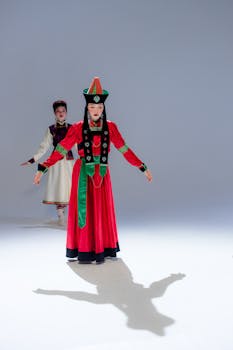
Theatre costume design plays a crucial role in bringing a stage production to life. This creative art form involves far more than simply choosing outfits for actors. It requires an understanding of the characters, the storyline, and the context in which the play takes place. By enhancing both the visual appeal and the narrative, theatre costume design ultimately contributes to a more vibrant stage experience.
The Importance of Theatre Costume Design
Theatre costume design is not just about aesthetics. It serves multiple purposes that go beyond adorning actors. Costumes help define characters, signify time periods, and establish settings, all of which are essential for audience immersion. By providing visual clues, costumes can aid in telling the story and guiding the audience through the plot. Costume designers must consider colors, materials, time period, and the play’s themes to create effective designs that resonate with both the audience and the actors.
The Role of a Costume Designer
Costume designers are integral members of the theatre production team. They collaborate with directors, set designers, and lighting specialists to ensure that costume designs align with the overall artistic vision. A designer must understand character psychology, historical accuracy, and fabric suitability to make informed choices. The goal is to create costumes that are not only visually appealing but also functional and durable for the rigors of performance.
Once the production concept is established, the designer begins sketching ideas and consulting with the director to refine their designs. Prominent theatre productions often require extensive research, where designers explore historical context, cultural symbols, and artistic styles. This research helps them create authentic and convincing costumes that fit the production’s setting and themes.
Key Elements of Costume Design
Several elements are essential for effective costume design, including silhouette, fabric, color, and historical accuracy. Each element plays a role in bringing a character to life on stage:
- Silhouette: The outline or shape of a costume can convey crucial information about a character’s status, personality, and background.
- Fabric: Fabric choice significantly impacts the overall look and feel of a costume. Certain fabrics may reflect a character’s wealth or lifestyle while ensuring durability for performance.
- Color: Colors can symbolize emotions, themes, or historical periods. Designers must carefully select colors that align with the production’s tone and visual scheme.
- Historical Accuracy: For period pieces, historical accuracy is paramount. Designers must balance authenticity with artistic interpretation.
Costume fitting and alterations follow design finalization, ensuring each piece works perfectly for the actor’s mobility and performance. In addition to aesthetics, comfort and practicality are crucial, considering the movements required on stage.
Career Pathways in Costume Design
Becoming a successful costume designer often requires a comprehensive education in fashion, theatre, or design. Those interested in pursuing this path can consider various educational opportunities, such as specialized costume design courses offered by art schools and universities.
An additional path to education in this field is pursuing scholarships specifically tailored for art students. These programs assist in providing financial support and open doors for aspiring designers. For more information, aspiring designers can explore scholarships for art students available through ScholarsHub.
After education, building a portfolio is crucial for aspiring costume designers. A strong portfolio showcases a designer’s creativity, versatility, and attention to detail, aligning with the job market’s demands. Networking within the theatre community can also provide invaluable opportunities for internships and job placements in theatre houses, production studios, and even film.
Modern Technologies in Costume Design
The integration of technology has introduced dynamic changes in the field of theatre costume design. From 3D modeling to digital sketching and fabric testing, modern technologies allow designers to visualize and modify their concepts more efficiently than ever before.
Virtual reality and augmented reality present new ways to simulate how costumes look and move on stage. These tools enable designers to experiment with different styles and fabrics without incurring material costs, enhancing efficiency and creativity.
For aspiring designers interested in learning more about technological advancements in theatre design, the Wikipedia page on education provides valuable information about relevant courses and technological tools used in contemporary design.
Conclusion
The art of theatre costume design remains an essential component of the theatrical experience, impacting a production’s success on multiple levels. From defining characters to enhancing the visual storytelling, costume designers combine artistry with practical skills to create memorable stage performances. Embracing both traditional techniques and modern technologies, the field continues to evolve, pushing the boundaries of what is possible on stage.
Takeaways
- Theatre costume design is crucial for character development and narrative delivery.
- Costume designers work closely with other production team members to achieve artistic harmony.
- Key elements of costume design include silhouette, fabric, color, and historical accuracy.
- Modern technology is revolutionizing costume design with 3D modeling and digital tools.
- Pursuing education and building a strong portfolio are vital steps for aspiring designers.
FAQ
What does a theatre costume designer do?
A theatre costume designer creates clothing designs for characters in plays or performances, considering factors such as the period, the characters’ traits, and the overall production vision.
How does costume design affect a theatre production?
Costume design aids in character development, setting the scene, and enhancing the audience’s understanding and emotional engagement with the production.
What skills are important for a career in costume design?
Important skills include creativity, an understanding of fabric and color theory, historical knowledge, attention to detail, and proficiency in design and technology tools.
Are there educational opportunities available for prospective costume designers?
Yes, many art schools and universities offer courses in costume design. Scholarships and internships can also provide valuable educational and career-building opportunities.
How is technology changing the field of costume design?
Technology is introducing new ways to design through digital sketching, fabric testing, and virtual reality simulations, making the design process more efficient and innovative.