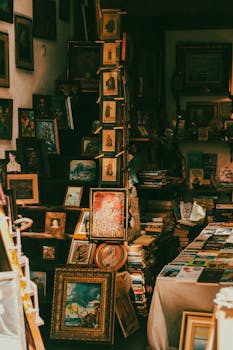
Understanding the art dealer salary is essential for anyone considering a career in this vibrant field. Whether you’re drawn to the bustling art market or the allure of discovering the next great masterpiece, knowing the financial prospects can help determine if this career path suits you. Art dealers play a critical role in the art ecosystem, facilitating transactions between artists, collectors, and galleries. They leverage their expertise to appraise, buy, and sell artworks, making them valuable assets in the art community.
What Impacts an Art Dealer Salary?
The art dealer salary can vary significantly based on multiple factors. One of the primary elements is experience. Newer dealers may start with lower earnings, but over time, as they build a reputation and client base, their potential income can increase dramatically. Successful art dealers often enjoy a commission-based salary, which means their earnings can fluctuate with each art sale.
Location is another critical factor. Dealers operating in major art hubs such as New York, London, or Paris typically have access to a more affluent clientele and high-profile auctions, potentially leading to higher earnings. Additionally, specializing in a specific art niche or period can also influence salary, as dealers who are experts in sought-after areas may command higher fees.
Average Art Dealer Salary Range
Attempting to pinpoint an exact figure for how much an art dealer makes is challenging due to the variables involved. However, entry-level dealers might earn between $40,000 and $60,000 annually. With experience and a robust network, salaries can soar beyond $100,000 per year, especially for dealers involved in high-end art transactions.
It’s worth noting that top-tier dealers who handle blue-chip art or operate their own galleries can earn much higher figures, sometimes reaching into the millions annually. This potential for significant earnings makes the art dealer career appealing to many, despite the initial challenges.
Skills and Education Required
An art dealer must possess both a keen eye for detail and strong business acumen. While formal education isn’t mandatory, many successful dealers have degrees in Art History, Fine Arts, or Business Administration. Building a solid foundation in these areas can be beneficial, providing the knowledge needed to evaluate art pieces and manage sales effectively.
To further enhance their credentials, aspiring art dealers often gain experience through internships at galleries or auction houses. Networking is another crucial skill in this field, as relationships with artists, collectors, and other industry professionals can open up new opportunities and enrich one’s career path.
For those interested in studying abroad, there are ample opportunities to attend top art schools, which can provide a diverse and enriched educational experience. For more information, you can explore the best art schools in Europe.
Maximizing Potential Earnings
The key to maximizing an art dealer salary lies in strategic positioning and continuous learning. Staying informed about current trends, emerging artists, and market dynamics is crucial. Attending art fairs, biennales, and exhibitions can also provide invaluable insights and networking opportunities.
Building a personal brand and reputation as a knowledgeable and trustworthy dealer can greatly impact earning potential. Clients often seek dealers who demonstrate genuine expertise and integrity, which can lead to long-term relationships and repeat business.
Challenges and Considerations
While the potential financial rewards are appealing, the path to becoming a successful art dealer is not without challenges. The competitive nature of the art market requires resilience and adaptability. Economic fluctuations can also impact the art market, affecting sales and income stability.
Moreover, the art world is culturally and economically diverse, requiring dealers to navigate different customs and value systems. Ethical considerations, such as provenance and authenticity, are paramount, and dealers must remain vigilant in ensuring the integrity of their transactions.
For more insights into the role and journey of art dealers, you can read further at this Wikipedia page.
Conclusion
Pursuing a career in art dealing offers a unique blend of artistic passion and business strategy. While the journey may pose challenges, the rewards can be exceptional. Understanding the art dealer salary is fundamental to assessing the career’s viability, ensuring that one’s passion for art is matched by financial stability.
- Art dealer salaries vary based on experience, location, and specialization.
- Entry-level salaries range from $40,000 to $60,000, while top dealers earn significantly more.
- Skills essential for success include a strong art background, business acumen, and excellent networking capabilities.
- Challenges include market competition and economic fluctuations.
- Continuous learning and strategic positioning are vital for maximizing potential earnings.
What does an art dealer do?
An art dealer facilitates transactions between artists, buyers, and sellers, using their expertise to value and sell artworks. They play a crucial role in the art market.
Do art dealers need a degree?
While not mandatory, many successful art dealers have degrees in Art History, Fine Arts, or Business Administration, which helps provide a solid foundation for their careers.
How can I start a career as an art dealer?
Starting as an intern or assistant in a gallery or auction house can provide valuable experience. Networking and building relationships within the art community are also essential steps.
What are the main challenges of being an art dealer?
Key challenges include economic fluctuations, competition, and ensuring the authenticity and provenance of artworks. Dealers must stay informed and adaptable to succeed.
Where can I learn more about art dealer salaries?
For more detailed information, exploring industry reports and engaging with professional art dealer associations can offer deeper insights into salary trends and career development.