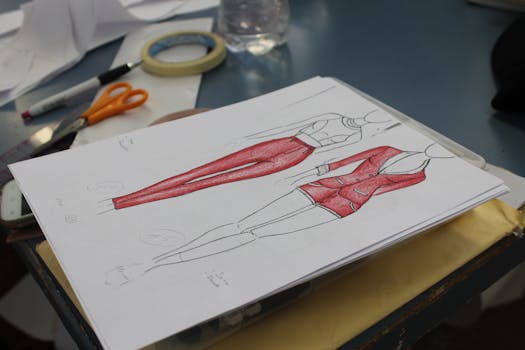
In the realm of design, achieving harmony is often accomplished through the strategic application of formal balance. This concept is central to creating visual compositions that are aesthetically pleasing and structurally sound. By effectively utilizing formal balance, designers can ensure that each element within their work is appropriately weighted and aligned, fostering a sense of order and equilibrium.
Understanding Formal Balance in Design
Formal balance, also known as symmetrical balance, involves a mirrored effect where elements on one side of a design are matched by similar elements on the other side. This approach enhances the stability and order of a composition, which can be particularly beneficial in projects requiring a refined and traditional aesthetic.
Designers employ formal balance in diverse contexts—from corporate branding to digital interfaces—emphasizing its versatility and timelessness. Its robust nature helps communicate clarity and precision, making it a favored choice for more formal or authoritative themes.
The Principles Supporting Formal Balance
Several principles underpin the successful implementation of formal balance. These include symmetry, alignment, and proportion. Each contributes uniquely to the overall harmony and effectiveness of a design:
- Symmetry: Central to formal balance, symmetry ensures each side of a composition mirrors the other. This can be implemented through either bilateral or radial symmetry.
- Alignment: Precise alignment of elements directs the viewer’s eye, ensuring a cohesive flow through the design.
- Proportion: The relative size and scale of elements must be carefully considered to maintain balance and avoid any dominant or overpowering features.
Creating Impact through Formal Balance
When executed well, formal balance can enhance the impact of a design, guiding the viewer’s attention and reinforcing the intended message. This technique is particularly effective in creating logos, layouts, and structured compositions where hierarchy and formality are key.
Designers often draw on historical references and timeless motifs when employing formal balance, which can imbue their work with a sense of grandeur and professionalism. For example, architectural designs frequently utilize symmetrical elements to convey stability and order.
For those looking to enhance their skills in this area, exploring courses on design principles can be invaluable. For instance, our article on free online courses offers insights into educational opportunities to advance your design knowledge.
Examples and Applications
Formal balance is not limited to static designs; it is also applicable in dynamic mediums such as websites and interactive platforms. In these contexts, symmetry and proportion create user-friendly interfaces, facilitating intuitive navigation and a positive user experience.
Moreover, many renowned artworks and architectural masterpieces, from the Parthenon to the Taj Mahal, exemplify the enduring power of formal balance, underscoring its timeless appeal.
The Benefits of Formal Balance
Utilizing formal balance offers myriad benefits, including improved readability, aesthetic appeal, and a sense of equilibrium. By applying this approach, designers can effectively communicate their vision and enhance user engagement.
Additionally, formal balance can evoke specific emotional responses, such as trust and security, due to its structured and predictable nature. This characteristic makes it particularly suitable for industries where these attributes are critical, such as finance, healthcare, and law.
Learn more about maintaining harmony in design through this educational resource on design principles.
Conclusion: The Timelessness of Formal Balance
Formal balance remains a vital and versatile tool in the designer’s toolkit, enabling the creation of aesthetic, balanced compositions that stand the test of time. By applying these principles, designers can achieve enduring harmony in their work, ensuring that the primary keyphrase “formal balance” retains its importance in the world of design.
- Formal balance is key to achieving harmony and order in design.
- It involves symmetry, alignment, and proportion.
- Formal balance can enhance the impact and clarity of a design.
- It is applicable across various mediums and industry sectors.
- This approach evokes trust and security through its structured nature.
What is formal balance in design?
Formal balance involves creating symmetry in a design where elements on one side are mirrored by similar elements on the other, providing harmony and stability.
How does formal balance differ from informal balance?
While formal balance uses symmetry to achieve harmony, informal balance relies on asymmetrical arrangements of elements to create a more dynamic and casual effect.
What are some examples of formal balance?
Examples include structured layouts, symmetrical buildings like the Taj Mahal, and classical artworks that incorporate symmetry to convey order and refinement.
Why is formal balance important in design?
Formal balance is important because it enhances readability and aesthetic appeal, creates a sense of stability, and effectively communicates the designer’s vision.
What industries benefit the most from formal balance in design?
Industries such as finance, healthcare, and law benefit from formal balance due to its ability to convey trust, security, and professionalism.