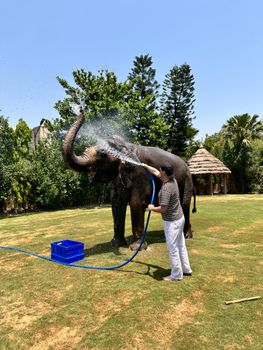
A dog skips breakfast, a normally social cat hides in the back of its enclosure, or a horse begins favoring one leg. These changes may seem small, but noticing them early is a central part of an animal caretaker’s work. The job is not simply about enjoying time with animals. It requires careful observation, consistent routines, physical stamina, sound judgment, and the ability to communicate concerns before a minor problem becomes more serious.
Animal caretakers work in shelters, boarding facilities, veterinary clinics, zoos, aquariums, laboratories, stables, pet daycare centers, and private homes. Although duties vary by setting and species, the goal remains the same: protect each animal’s comfort, safety, health, and quality of life.
What Does an Animal Caretaker Do Each Day?
Most shifts begin with a visual check of every animal. The caretaker looks at posture, movement, breathing, alertness, appetite, water intake, elimination, and behavior. Because animals cannot describe how they feel, changes from their normal patterns can provide important clues about illness, injury, pain, fear, or stress.
Common day-to-day responsibilities include:
- Preparing and distributing food according to individual dietary instructions
- Providing fresh water and checking that bowls or watering systems work properly
- Cleaning and disinfecting cages, kennels, stalls, tanks, bedding, dishes, and equipment
- Walking, exercising, handling, or providing enrichment for animals
- Grooming, bathing, brushing, or trimming nails when appropriate
- Recording eating, drinking, elimination, medication, treatment, and behavior
- Watching for signs of illness, injury, pain, anxiety, or aggression
- Moving animals safely between enclosures, examination rooms, or activity areas
- Speaking with supervisors, veterinary staff, adopters, clients, or pet owners
Feeding and cleaning must follow a schedule, but the work is rarely predictable. An animal may vomit, escape an enclosure, refuse medication, develop diarrhea, or react fearfully during handling. Caretakers must respond calmly while following the facility’s safety and reporting procedures.
Core Skills That Support Safe, Effective Care
Observation and attention to detail
A good animal caretaker learns what is normal for each animal. Subtle warning signs may include reduced appetite, unusual vocalization, limping, repeated scratching, coughing, changes in stool, difficulty urinating, labored breathing, withdrawal, or sudden irritability. Caretakers generally do not diagnose these problems. Their responsibility is to document what they observe and promptly notify the veterinarian, veterinary technician, supervisor, or other authorized professional.
Safe animal handling
Even a friendly animal may bite, scratch, kick, or struggle when frightened, injured, or overstimulated. Safe handling involves reading body language, approaching at an appropriate pace, using approved equipment, and recognizing when additional help is needed. Workers should never rely on strength alone or use restraint methods they have not been trained to perform.
Communication and recordkeeping
Accurate records help the next shift understand what happened earlier in the day. A useful note describes specific facts rather than assumptions. For example, “ate half of the morning meal and vomited once at 10:15 a.m.” is more helpful than “seems sick.” Clear communication is especially important when several employees share responsibility for feeding, exercise, treatments, or behavioral plans.
Reliability and time management
Animals depend on people to meet needs at predictable times. Meals, medications, walks, cleaning, and health checks cannot simply be postponed because a shift becomes busy. Successful caretakers prioritize urgent concerns while keeping routine care on schedule.
Emotional control and compassion
The work can be rewarding, but it may also involve neglected animals, serious illness, behavioral challenges, emergencies, or end-of-life care. Compassion must be balanced with emotional control. Caretakers need to remain gentle and professional even when an animal is difficult to handle or an owner is upset.
Health and Workplace Safety
Animal care exposes workers to allergens, cleaning chemicals, slippery floors, heavy supplies, noise, bites, scratches, and diseases that can pass between animals and people. The CDC’s guidance on zoonotic diseases explains that animals can carry harmful germs even when they appear healthy.
Basic precautions include washing hands after handling animals or waste, wearing task-appropriate protective equipment, keeping food away from care areas, using disinfectants as directed, and reporting bites, scratches, needlestick injuries, or other exposures immediately. Open wounds should be protected, and workers should follow workplace procedures for medical evaluation after an injury or possible exposure.
Physical safety matters as well. Lifting carriers, food bags, bedding, or animals incorrectly can cause injury. Staff should use proper lifting techniques, mechanical aids, or team lifting when needed. Wet floors, damaged enclosures, faulty latches, and frayed leashes should be addressed before they harm an animal or employee.
Education and Experience Requirements
Many entry-level animal caretaker positions require a high school diploma or equivalent, with skills taught through supervised, on-the-job training. Employers often value practical experience gained through volunteering, pet sitting, fostering, internships, kennel work, or assisting at a shelter.
More specialized settings may expect additional education. Zoos, aquariums, research facilities, and wildlife organizations may prefer coursework or a degree in animal science, biology, zoology, psychology, or a related subject. Veterinary clinics may look for experience with medical terminology, sanitation protocols, patient restraint, and treatment records.
Short courses in animal behavior, species-specific care, first aid, workplace safety, or fear-reducing handling can strengthen an application. However, certificates do not replace supervised practice. Candidates should confirm that any program is recognized by employers in the field they want to enter.
How Can an Animal Caretaker Advance?
Advancement usually begins by becoming dependable in routine care and demonstrating good judgment during difficult situations. Experienced workers may become senior caretakers, shift leaders, kennel managers, adoption coordinators, enrichment specialists, grooming professionals, trainers, or facility supervisors.
Some caretakers continue their education to become veterinary assistants, veterinary technicians, laboratory animal technicians, behavior specialists, wildlife rehabilitators, or veterinarians. Readers considering a clinical career can explore these veterinary programs for careers in animal health to better understand possible educational pathways.
To prepare for promotion, workers should seek experience with multiple species, learn scheduling and inventory systems, improve client communication, and volunteer for responsibilities such as training new employees or maintaining care records. Supervisory roles also require conflict resolution, staff coordination, policy enforcement, and emergency planning.
Is This Career a Good Fit?
This career may suit someone who enjoys practical work, accepts that cleaning is a major responsibility, and can remain attentive during repetitive tasks. Shifts may include early mornings, evenings, weekends, holidays, and outdoor work in uncomfortable weather. The job can be physically demanding and emotionally difficult, but it also offers the satisfaction of improving an animal’s daily experience.
A capable animal caretaker combines compassion with consistency. Feeding, cleaning, exercise, observation, and documentation may appear routine, yet each task supports animal welfare. For people who are patient, dependable, safety-conscious, and willing to keep learning, animal care can provide both meaningful entry-level work and a foundation for long-term advancement.