
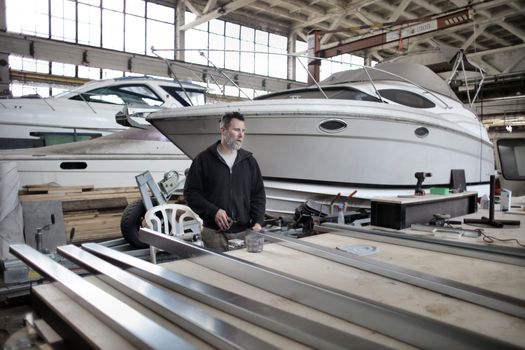
You may picture boat jobs as spending every day at the helm, but many marine careers involve maintaining engines, handling lines, serving passengers, loading cargo, leading tours, or supporting vessels from shore. Some workers return home after each shift, while others live aboard for weeks or months. Understanding these differences can help you decide whether working on the water fits your skills, schedule, and long-term goals.
What types of boat jobs are available?
Boat jobs exist in commercial transportation, tourism, fishing, recreation, public safety, research, construction, and vessel maintenance. Job titles and responsibilities vary according to the vessel’s size, purpose, operating area, and crew structure.
Common onboard positions include:
- Deckhand: Handles lines, cleans decks, assists with docking, watches for hazards, and supports cargo or passenger operations.
- Sailor or marine oiler: Performs routine maintenance and helps operate deck or engine-room equipment.
- Boat captain: Navigates the vessel, manages the crew, monitors conditions, and carries responsibility for safe operations.
- Mate: Assists the captain and may supervise crew members, navigation watches, loading, and safety procedures.
- Motorboat operator: Operates smaller vessels used for sightseeing, transportation, fishing, patrols, or other services.
- Marine engineer: Operates, inspects, and repairs engines, electrical systems, pumps, and other vessel machinery.
- Fishing vessel worker: Prepares gear, catches and stores seafood, maintains equipment, and performs physically demanding deck work.
- Tour or charter crew member: Supports passengers, prepares equipment, explains safety rules, and may assist with food service or guided activities.
Related shore-based opportunities include marina attendants, dock workers, marine mechanics, vessel dispatchers, reservation agents, boat-detailing workers, and shipyard employees. These roles may appeal to people who enjoy the marine industry but prefer a more predictable schedule on land.
Where do people with boat jobs work?
Work settings range from quiet lakes and local marinas to busy ports, rivers, coastal waters, and open oceans. Ferries and sightseeing boats may follow regular routes and return to the dock daily. Tugboats, cargo vessels, research ships, and offshore service vessels may operate continuously and require crews to remain aboard for extended assignments.
The environment can be noisy, wet, hot, cold, or physically confined. Crew members may work outdoors in changing weather and on surfaces that move with the water. Depending on the position, shifts can include early mornings, overnight watches, weekends, and holidays.
Some boat jobs are seasonal. Charter companies, summer resorts, sightseeing operators, and recreational marinas may hire heavily before their busiest months. Commercial transport and harbor operations are more likely to offer year-round employment, although schedules still depend on shipping activity, weather, and regional conditions.
Which skills matter most?
Employers often value reliability and safety awareness as much as prior boating experience, particularly when hiring for entry-level positions. A crew depends on every person reporting on time, following instructions, and completing assigned tasks carefully.
Situational awareness
Workers must notice changing weather, vessel traffic, equipment problems, passenger behavior, and potential hazards. Small oversights can quickly become serious in a marine environment, so attention to detail is essential.
Communication and teamwork
Docking, loading, navigation, and emergency response require clear communication. Crew members must listen closely, use established terminology, and confirm instructions when noise or distance makes communication difficult.
Mechanical ability
Even non-engineering roles may involve inspecting equipment, tying knots, using hand tools, or performing basic maintenance. Familiarity with engines, electrical systems, pumps, or hydraulic equipment can make an applicant more competitive.
Adaptability and sound judgment
Conditions on the water can change quickly. Successful workers remain calm, adjust their plans, and know when to report a problem rather than attempting an unsafe solution.
Customer service
Passenger ferries, tour boats, dinner cruises, and fishing charters need workers who can provide instructions politely and assist guests with different needs. A professional attitude is important even when schedules are disrupted.
What training or credentials are required?
Requirements depend heavily on the role. Some deckhand and sailor positions have no formal educational requirement and provide training on the job. Employers may still prefer a high school diploma or equivalent, previous mechanical experience, first-aid training, or familiarity with boating practices.
Captains, mates, pilots, and certain commercial crew members generally need specialized training, documented time at sea, examinations, and applicable credentials. Many U.S. maritime positions require a Merchant Mariner Credential, a Transportation Worker Identification Credential, or both. The specific requirements depend on the vessel, route, duties, and level of responsibility.
Applicants should read each vacancy carefully rather than assuming that recreational boating experience meets commercial standards. A driver’s license, drug screening, background check, physical examination, swimming ability, or safety certification may also be required for particular employers or assignments.
What is the hiring outlook?
The outlook for boat jobs is steady rather than uniform. According to the U.S. Bureau of Labor Statistics overview of water transportation workers, overall employment in these occupations is projected to grow 4 percent from 2025 through 2035. Approximately 8,600 openings are expected each year on average, including positions created when workers retire, leave the labor force, or move into other occupations.
Demand can rise or fall with tourism, cargo movement, commodity markets, government spending, and activity at local ports. Opportunities may be concentrated in coastal communities, cities with ferry systems, major river corridors, and areas near the Great Lakes. Seasonal hiring may begin months before peak boating weather.
Entry-level applicants can improve their prospects by applying to ferry services, marinas, tour operators, shipyards, tugboat companies, and commercial fishing businesses. Broader searches for local employers that are currently hiring may also uncover dockside, maintenance, hospitality, and transportation roles that are not advertised specifically as boat jobs.
How can you prepare a strong application?
Start by matching your experience to the employer’s daily needs. Highlight mechanical work, outdoor labor, military service, warehouse operations, hospitality, construction, fishing, emergency response, or recreational boating experience when relevant. Include current credentials and clearly state your availability for nights, weekends, travel, or extended rotations.
Before accepting an offer, ask about the schedule, time away from home, sleeping arrangements, meals, overtime, required equipment, training, and whether the position is seasonal. Confirm who pays for credentialing, transportation to the vessel, uniforms, and protective gear.
Boat jobs can offer practical training, advancement, and an unusual workplace, but they also require discipline and flexibility. The best fit is someone who values teamwork, respects safety procedures, tolerates changing conditions, and understands the realities of the schedule before stepping aboard.

