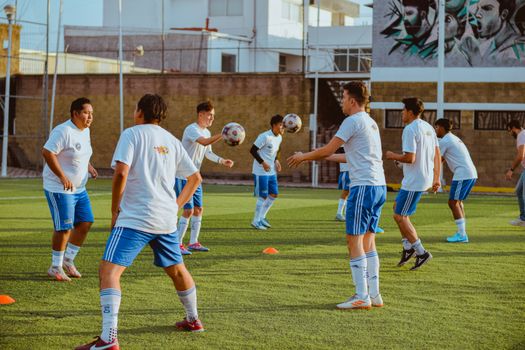
You enjoy exercise, understand how movement affects performance, and want a career that keeps you connected to sports. But when graduation approaches, one practical question can feel surprisingly difficult: “What can I actually do with this degree?” Searching for bachelor of physical culture sports jobs often produces a confusing mix of coaching, fitness, healthcare, education, and management roles. The good news is that this degree can support several career paths, although your coursework, practical experience, certifications, and local regulations will shape which positions are open to you.
What Does a Bachelor of Physical Culture and Sports Prepare You to Do?
A physical culture and sports program commonly combines subjects such as anatomy, exercise physiology, kinesiology, sports training, physical education, nutrition, psychology, and program management. Graduates learn how the body responds to physical activity, how to teach movement safely, and how to plan programs for individuals or groups.
The degree does not lead to one universal occupation. Instead, it provides a foundation for work in fitness centers, schools, sports organizations, recreation programs, wellness departments, and selected healthcare settings. Program names and curricula vary by country and university, so employers may treat the degree as comparable to kinesiology, exercise science, physical education, sports science, or recreation studies.
Career Options for Graduates
Fitness Trainer or Personal Trainer
Personal trainers assess clients’ general fitness levels, demonstrate exercises, monitor technique, and adjust programs as clients progress. They may work in gyms, community centers, resorts, corporate wellness facilities, or clients’ homes. Some eventually operate independent training businesses.
A bachelor’s degree can help you understand anatomy, program design, and injury-risk reduction, but many employers also expect a recognized fitness certification and current cardiopulmonary resuscitation training. Trainers must stay within their professional scope. They can support general fitness goals, but they should not diagnose injuries, prescribe medical treatment, or present themselves as rehabilitation specialists without the required clinical credentials.
Exercise Physiologist
Exercise physiologists develop activity programs intended to improve health, fitness, cardiovascular function, strength, or flexibility. Depending on their qualifications and workplace, they may perform fitness assessments, review health information, monitor physiological responses, and collaborate with healthcare professionals.
This is one of the bachelor of physical culture sports jobs most closely connected to health science. The U.S. Bureau of Labor Statistics profile for exercise physiologists explains that these professionals typically need a bachelor’s degree in exercise physiology, exercise science, kinesiology, or a related field. Some employers prefer graduate education, clinical experience, professional certification, or life-support training. Licensing requirements may also differ by state.
Sports Coach
Coaches teach sport-specific skills, organize practices, evaluate performance, develop game strategies, and help athletes build confidence and discipline. Opportunities may exist in youth leagues, schools, universities, community programs, private academies, and competitive sports organizations.
Playing experience can be valuable, but effective coaching requires more than technical knowledge. Coaches must communicate clearly, manage different personalities, recognize signs that an athlete should stop participating, and refer medical concerns to qualified professionals. Background checks, first-aid training, safeguarding education, or sport-specific credentials may be required when working with children.
Strength and Conditioning Coach
Strength and conditioning professionals design training to improve qualities such as power, speed, mobility, and endurance. They often work with athletes rather than general fitness clients and may coordinate with coaches, athletic trainers, dietitians, and medical staff.
Competitive positions can be selective. Employers may prefer candidates with recognized strength and conditioning certification, supervised experience, and knowledge of testing and performance data. Internships with university teams, sports academies, or training facilities can make a graduate more competitive.
Physical Education Teacher
Graduates who enjoy teaching may pursue physical education roles in elementary, middle, or secondary schools. Physical education teachers plan age-appropriate lessons, assess student development, promote safe participation, and help students build lifelong movement skills.
A bachelor’s degree alone may not authorize someone to teach in a public school. In the United States, requirements are established by individual states and commonly include an approved educator-preparation pathway, examinations, supervised teaching experience, and a teaching license. Private schools and community programs may use different hiring standards.
Recreation or Sports Program Coordinator
Recreation coordinators organize leagues, classes, camps, tournaments, and community wellness activities. Daily responsibilities can include scheduling facilities, supervising staff, managing registrations, purchasing equipment, promoting events, and enforcing safety policies.
This path suits graduates who like sports but prefer planning and leadership over full-time instruction. With experience, coordinators may move into positions such as recreation director, facility manager, sports administrator, or program manager.
Corporate Wellness Coordinator
Some employers, universities, insurers, and wellness vendors hire professionals to encourage healthy workplace habits. A wellness coordinator may arrange activity challenges, educational sessions, fitness screenings, or referrals to appropriate services. The role often combines exercise knowledge with communication, event planning, and data management.
Wellness professionals should avoid giving individualized medical or dietary treatment unless they hold the relevant credentials. Their primary role is usually education, program coordination, and support rather than clinical care.
Sports Development or Administration Professional
Sports organizations need people who can manage programs behind the scenes. Entry-level possibilities include membership services, event operations, athlete services, community outreach, equipment coordination, marketing support, and facility operations.
Business, budgeting, digital communication, and project-management skills can strengthen your prospects. Graduates interested in senior administrative roles may later pursue a master’s degree in sports management, business administration, or a related area.
Can This Degree Lead to Physical Therapy?
A physical culture and sports degree can be useful preparation for graduate study, but it does not by itself qualify someone to practice as a physical therapist in the United States. Physical therapists must complete an accredited Doctor of Physical Therapy program and satisfy licensing requirements. Students considering this route should compare their undergraduate courses with the prerequisites of individual graduate programs. Our guide to the education and licensing steps for becoming a physical therapist explains the pathway in more detail.
The same caution applies to athletic training. Although the names sound similar, an athletic trainer is a regulated healthcare professional who evaluates and manages sports-related injuries. In the United States, professional entry typically requires graduate-level athletic training education and applicable certification or licensure. A bachelor’s degree in physical culture may provide helpful preparation, but it is not automatically a clinical credential.
How to Improve Your Employment Prospects
- Choose electives that match your intended field, such as coaching, biomechanics, exercise testing, adapted activity, business, or education.
- Complete internships in schools, fitness centers, hospitals, sports clubs, or recreation departments.
- Earn appropriate certifications in areas such as personal training, coaching, strength and conditioning, first aid, or CPR.
- Learn to document programs, track progress, use fitness technology, and communicate results clearly.
- Check state, national, and employer requirements before advertising health-related services.
- Build experience with different populations, including children, older adults, beginners, and competitive athletes.
Choosing the Right Path
Start by deciding whether you are most interested in performance, education, health, business, or community service. Then review job postings in your area and note recurring requirements. A role labeled “exercise specialist” at one organization may involve different duties and credentials from a similarly named position elsewhere.
A Bachelor of Physical Culture and Sports is flexible rather than narrowly vocational. Its greatest value comes from combining scientific knowledge with practical experience and role-specific qualifications. Whether you pursue coaching, fitness, exercise physiology, recreation, teaching, wellness, or further professional education, understanding the limits and opportunities of each path will help you turn the degree into a sustainable career.