You may be ready to start a technology career but unsure whether you need a four-year degree, a short certificate, or something in between. A search for “computer career institute” can make the decision more confusing because the phrase may refer to different career schools, training centers, and continuing-education programs rather than one standardized institution.
Most computer career institutes focus on practical skills that can be applied in entry-level technology roles. Programs are often shorter and more career-oriented than traditional degree programs, but their quality, cost, accreditation, and outcomes vary. Before enrolling, it is important to understand what a school teaches, how admissions work, and what support is available during and after training.
What Is a Computer Career Institute?
A computer career institute is generally a school or training provider offering technology-focused education. Depending on the institution, students may earn a certificate, diploma, industry certification preparation, or an associate degree. Some programs are designed for beginners, while others help working professionals update their skills or prepare for a new certification.
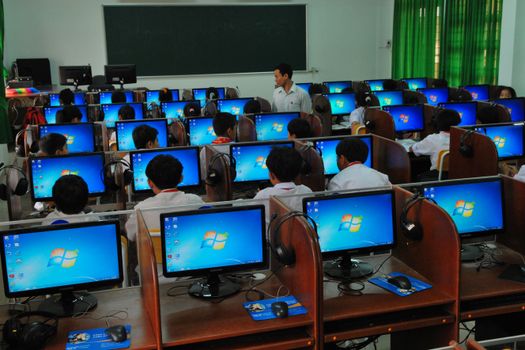
These institutes commonly emphasize hands-on assignments, computer labs, technical troubleshooting, and workplace scenarios. Classes may be available during the day, in the evening, online, or through a hybrid format. Program length can range from several weeks to two years, depending on the subject and credential.
Because several current and former schools have used similar names, do not assume that every search result describes the same organization. Confirm the institution’s official name, campus location, current catalog, approval status, and contact information before submitting an application or payment.
Programs Commonly Available
Program offerings differ significantly among schools. A computer career institute may concentrate on basic technical support or provide advanced training in areas such as cybersecurity and software development.
Information Technology Support
IT support programs teach students how to install software, configure devices, identify common technical problems, and assist computer users. Coursework may cover operating systems, computer hardware, security basics, help-desk procedures, and customer service. Graduates may pursue roles such as help-desk technician, desktop support specialist, or computer support technician.
Networking and Systems Administration
Networking programs may cover routers, switches, servers, wireless connections, user accounts, system monitoring, and network security. Some curricula also prepare students for industry certification examinations. Entry-level opportunities may include network support technician, junior systems administrator, or technical support specialist.
Cybersecurity
Cybersecurity training introduces methods for protecting devices, networks, applications, and data. Students may learn about access controls, security policies, risk assessment, incident response, and common cyberthreats. A short program can provide a foundation, but many security positions also require experience, additional certifications, or a college degree.
Programming and Web Development
Programming programs may teach one or more coding languages, database fundamentals, software testing, and application development. Web development courses often include website structure, design, accessibility, responsive layouts, and basic server-side technology. Students should look for programs that require them to complete projects for a portfolio.
Cloud, Data, and Business Applications
Some institutes offer training in cloud platforms, database management, data analysis, office software, or computerized accounting. These subjects can support careers both inside and outside traditional technology departments because employers in healthcare, finance, retail, education, and government rely on digital systems.
How Admissions Usually Work
Career-school admissions are often less complicated than admissions at a four-year university. However, requirements depend on the school and program. Applicants may need to provide:
- A high school diploma, GED, or recognized equivalent
- A completed application and identification documents
- Official school transcripts
- An admissions interview or information session
- A basic skills or technology assessment
- Proof of English proficiency when applicable
- Payment of an application or registration fee
Certain programs may recommend previous computer experience, but beginner-level courses often start with basic concepts. Ask whether there are prerequisites and whether the school provides a preparatory course for students who need additional help.
Do not treat an admissions representative’s verbal description as a substitute for written information. Request the current catalog, enrollment agreement, refund policy, attendance rules, total program cost, graduation requirements, and estimated completion schedule. Read every document before signing.
Understanding Tuition and Financial Aid
The advertised tuition may not represent the full cost of attendance. Students may also have to pay for textbooks, software subscriptions, equipment, lab access, certification exams, background checks, transportation, or graduation fees.
Ask the financial aid office for a written breakdown of grants, scholarships, loans, and personal payments. Grants and scholarships generally do not require repayment when their conditions are met, while student loans must be repaid with interest. Availability of federal student aid depends on the institution and program.
Accreditation can affect financial aid eligibility, credit transfers, and how employers or other schools view a credential. Prospective students can use the U.S. Department of Education’s college accreditation information to learn how accreditation works and how to check a school’s status.
Student Resources to Look For
A strong computer career institute should provide more than classroom instruction. Support services can influence whether a student completes the program and feels prepared to begin a job search.
- Academic advising: Help selecting courses, tracking progress, and resolving academic concerns
- Tutoring: Additional assistance with programming, mathematics, networking, or technical concepts
- Technology access: Computer labs, required software, virtual labs, and technical support for online learners
- Certification preparation: Practice tests, review sessions, and guidance about exam registration
- Career services: Résumé reviews, interview practice, job-search coaching, and employer events
- Accessibility services: Reasonable accommodations for eligible students with disabilities
- Personal support: Referrals for childcare, transportation, emergency assistance, or community services when available
Career services can be useful, but no legitimate school can guarantee that every graduate will receive a job, salary increase, or specific position. Ask for clearly defined placement methods and recent program-level outcome information.
How to Compare Schools Before Enrolling
Start with the career you want rather than the name of the program. Review local job postings to see which skills, credentials, and experience employers request. Then compare those requirements with the curriculum.
Ask how much time students spend completing hands-on work, whether instructors have relevant professional experience, and how frequently course materials are updated. You should also ask whether credits can transfer to another institution. Career-school credits may not transfer automatically, even when a program is accredited.
Consider graduation rates, typical debt, certification results, class schedules, employer partnerships, and refund terms. If possible, speak with current students or recent graduates and tour the facilities. Online students should request a demonstration of the learning platform before enrolling.
What Can You Do After Completing a Program?
Your options will depend on the credential, your technical abilities, previous experience, and the employment market in your area. Potential paths include technical support, networking, cybersecurity support, web development, software testing, database assistance, and other computer-related roles.
Some occupations commonly expect a bachelor’s degree, while others may be accessible through a combination of training, certifications, projects, and experience. Explore this guide to computer science jobs and salaries to compare career paths before selecting a program.
Questions to Ask Before You Apply
- What credential will I earn, and who recognizes it?
- Is the institution accredited, licensed, or approved where required?
- What is the complete cost, including supplies and certification exams?
- Does the curriculum match current entry-level job requirements?
- What percentage of students complete the program?
- What career services remain available after graduation?
- Can I cancel or withdraw, and how is any refund calculated?
- Will another college accept these credits?
A computer career institute can offer a focused route into technology, particularly for students who prefer structured, practical training. The best choice is not necessarily the shortest or most heavily advertised program. It is the school that provides transparent costs, credible credentials, relevant instruction, meaningful student support, and training aligned with your specific career goal.