
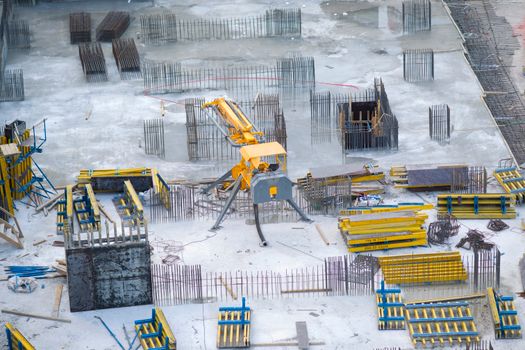
A newly framed wall looks straight, the wiring is hidden neatly, and the project appears ready for the next phase. But does the work meet local building codes, approved plans, and safety requirements? A construction inspector answers those questions before problems become expensive, dangerous, or difficult to correct.
This career combines practical construction knowledge with careful observation, documentation, and communication. Construction inspectors do not usually build the structure themselves. Instead, they independently evaluate work and determine whether it complies with applicable requirements. Their decisions can affect project schedules, property transactions, public safety, and the long-term reliability of buildings and infrastructure.
What Does a Construction Inspector Do?
A construction inspector examines buildings, roads, bridges, utility systems, and other projects during or after construction. The inspector compares completed work with building codes, zoning rules, approved plans, contract specifications, and relevant ordinances.
Inspections are often performed at several stages rather than only when a project is finished. For example, an inspector may check a foundation before concrete is poured, examine framing before walls are enclosed, and review electrical or plumbing systems before they become inaccessible.
Typical responsibilities include:
- Reviewing blueprints, permits, engineering documents, and project specifications
- Visiting construction sites to examine materials and workmanship
- Checking structural, electrical, plumbing, mechanical, and fire-safety components
- Using tools such as moisture meters, electrical testers, levels, cameras, and survey equipment
- Recording observations with written notes, photographs, and digital inspection systems
- Identifying code violations or deviations from approved plans
- Explaining required corrections to contractors, owners, and project managers
- Issuing notices, withholding approval, or ordering work to stop when authorized and necessary
- Conducting follow-up inspections after corrections are completed
An inspector’s approval does not guarantee that a structure will never develop a problem. It indicates that the inspected work met applicable requirements at the time and within the scope of the inspection.
Where Construction Inspectors Work
Construction inspectors divide their time between worksites and office environments. At a site, they may walk over uneven ground, climb ladders, enter partially completed structures, or inspect confined areas. In the office, they review plans, schedule visits, research code requirements, and prepare reports.
Common employers include local and state government agencies, engineering firms, construction companies, and specialized inspection businesses. Some inspectors are self-employed, particularly those who provide residential or home inspection services.
Most inspectors work full time during standard business hours. However, early starts, overtime, evenings, or weekend assignments may be necessary when projects have tight schedules. An inspector may also need to respond quickly after a construction accident, complaint, or suspected structural failure.
Common Areas of Specialization
The title construction inspector covers several specialties. A general building inspector may review many parts of a residential or commercial project, while specialized inspectors focus on particular systems or structures.
- Building inspectors examine structural components and overall code compliance.
- Electrical inspectors review wiring, panels, grounding, and electrical installations.
- Plumbing inspectors check piping, fixtures, drainage, and water systems.
- Mechanical inspectors evaluate heating, ventilation, air-conditioning, and related equipment.
- Public works inspectors monitor roads, bridges, sewers, water lines, and other public infrastructure.
- Plans examiners review proposed designs before construction begins.
- Home inspectors assess the visible condition of homes, often during real estate transactions.
A municipal code inspection and a private home inspection are not the same service. Code inspectors primarily determine compliance with legal requirements, while home inspectors generally help clients understand a property’s visible condition.
Education, Experience, and Certification
Many construction inspector positions require at least a high school diploma or equivalent. Practical experience is especially valuable because inspectors must understand how structures and building systems are assembled. Former carpenters, electricians, plumbers, maintenance workers, and construction supervisors often bring relevant knowledge to the role.
Someone exploring the trades may benefit from first understanding the role of a carpenter in modern construction, since framing and building experience can provide a useful foundation for inspection work.
Requirements vary by employer, state, locality, and inspection specialty. Some positions favor candidates with a certificate, associate degree, or bachelor’s degree in building inspection, construction technology, architecture, or engineering. Useful coursework includes blueprint reading, building codes, drafting, mathematics, report writing, and construction materials.
Many jurisdictions require inspectors to obtain a license or professional certification. Continuing education may also be required because codes, construction methods, and inspection technology change over time. New employees commonly complete supervised field inspections and learn local procedures on the job.
Skills That Matter in Everyday Work
Technical knowledge is important, but successful inspectors also need sound judgment and interpersonal skills. They must remain objective even when a contractor disagrees with a finding or when a failed inspection delays a project.
- Attention to detail: Small installation errors can signal larger compliance or performance concerns.
- Communication: Findings must be explained clearly without unnecessary technical language.
- Writing ability: Reports need to be accurate, organized, and defensible.
- Integrity: Decisions should be based on evidence and requirements rather than pressure or personal relationships.
- Mechanical understanding: Inspectors need to recognize how materials, equipment, and building systems should function.
- Physical readiness: Site visits may involve prolonged standing, climbing, bending, or working outdoors.
- Digital skills: Mobile reporting software, electronic plans, photographs, and remote-inspection tools are increasingly common.
Pay and Growth Potential
According to the U.S. Bureau of Labor Statistics career profile for construction and building inspectors, the median annual wage was $74,690 in May 2025. Actual earnings depend on location, experience, specialty, credentials, employer, and level of responsibility.
Employment is projected to show little or no overall change from 2025 to 2035. That does not mean opportunities will disappear. Approximately 14,800 openings are projected each year on average during the decade, largely because workers will retire, change careers, or leave the occupation.
Growth potential can also come from advancement rather than a rising total number of positions. Experienced inspectors may become senior inspectors, plans examiners, chief building officials, department supervisors, consultants, or independent business owners. Additional education and certifications can support movement into specialized inspections, code administration, construction management, or related safety roles.
Is This Career a Good Fit?
Construction inspection may suit someone who understands building work but prefers evaluation, problem-solving, and public responsibility over performing a trade every day. It can offer a mix of field activity and office work, along with a clear connection between careful decisions and safer, more dependable construction.
The job also brings challenges. Inspectors may encounter uncomfortable spaces, bad weather, schedule pressure, and disagreements over corrections. They must be willing to document problems and enforce requirements consistently, even when doing so is unpopular.
For candidates with construction experience, strong attention to detail, and the confidence to communicate objective findings, becoming a construction inspector can provide a practical long-term career path with opportunities to specialize and advance.

