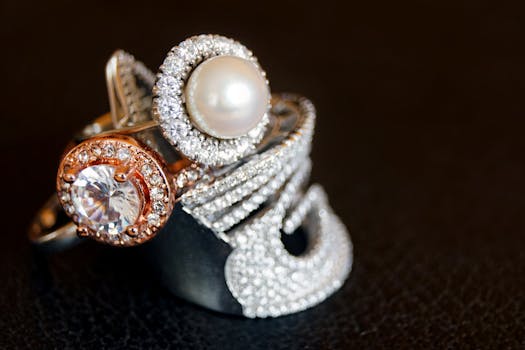
Jewelry design is a captivating profession that blends artistry, creativity, and technical skill. If you’ve ever admired the intricacy of a necklace or the brilliance of a ring, you might find yourself wondering, how do I become a jewelry designer? This vibrant field allows you to turn your passion for beauty and detail into a rewarding career.
How Do I Become a Jewelry Designer?
Embarking on a career as a jewelry designer involves merging creativity with precision. To begin, consider pursuing formal education. Many successful jewelry designers have studied gemology, design principles, and metalwork. Art programs often include classes on these fundamentals. To help with education costs, you can explore scholarships for art students which may ease your financial burden.
Gaining the Necessary Skills
Jewelry design requires both artistic and technical skills. Artistic skills can be honed through drawing, painting, and sculpting. Technical skills include understanding materials such as metals and gemstones, and mastering techniques like soldering and stone-setting. Craftsmanship is crucial; each piece must not only be visually stunning but also durable and wearable.
Consider enrolling in educational programs that focus on jewelry design. Many colleges and universities offer specialized design courses. These programs often cover topics like CAD (computer-aided design), history of jewelry, and business practices within the industry.
Building a Portfolio
A well-crafted portfolio is essential for any aspiring jewelry designer. It should showcase your best work and highlight your design style and range. Include sketches, completed pieces, and any unique designs. Employers and clients alike will use your portfolio to assess your abilities.
Participating in competitions and exhibitions can also enhance your portfolio, providing visibility and networking opportunities within the industry. Such experiences show that you are serious about your craft and willing to invest time and effort to excel.
Networking and Gaining Experience
Networking is crucial in the jewelry design industry. Attend industry events, join professional organizations, and connect with other designers. Internships and apprenticeships offer invaluable experience, allowing you to learn directly from seasoned professionals while building industry relationships.
Many jewelry designers start their careers by working for established jewelers. This experience helps in honing skills, understanding industry standards, and learning about customer preferences. With experience, many designers choose to start their own lines or freelance, offering custom pieces to clients.
Launching Your Own Jewelry Line
Once you have built enough experience and confidence, consider launching your own jewelry line. This step involves everything from designing the collection to marketing and sales. Utilize social media and e-commerce platforms to reach a broader audience.
Creating a brand identity is crucial. Your brand should reflect your unique style and the story you want to convey through your designs. Investing in quality photography and a professional website can portray your work in the best possible light.
The Role of Innovation
The jewelry industry is constantly evolving. Staying up to date with trends and technological advancements, such as 3D printing and eco-friendly materials, can set you apart. Continuous learning and adaptation are key to thriving as a jewelry designer.
Understanding consumer trends and preferences is also critical. Trends often dictate the popularity of certain materials and styles, and staying ahead in this regard can offer a competitive edge.
Final Thoughts
If you’re asking yourself, “How do I become a jewelry designer?” take the time to explore your passion and build the necessary skills. Educate yourself, create diligently, and network with professionals. With dedication and a creative vision, you can shape a fulfilling career in jewelry design.
- A strong educational background in art and design is beneficial.
- Practical experience and a good portfolio are key to success.
- Networking and ongoing education can enhance career opportunities.
- Launching your brand requires creativity and business acumen.
- Innovation and adaptability are crucial in this constantly evolving field.
What qualifications are needed to become a jewelry designer?
While formal education isn’t always required, a degree or certification in jewelry design, metalsmithing, or a related art field can be highly beneficial.
Do I need to be a good artist to become a jewelry designer?
While artistic ability is helpful, technical skills and creativity are just as important. Many designers improve their artistic abilities over time with practice and education.
How important is a portfolio for a jewelry designer?
A portfolio is crucial for showcasing your skill and style to potential employers or clients. It provides tangible proof of your abilities and creativity.
Is experience necessary to enter the jewelry design industry?
Experience, such as internships or apprenticeships, is very valuable as it helps refine skills and provides industry insight. Many employers look for candidates with some practical experience.
Can I start my own jewelry business right out of school?
It’s possible, though having a bit of industry experience can be beneficial. Understanding market trends and having a solid business plan are essential when starting your own line.