You search “electrician helper jobs near me,” find several listings, and quickly realize they are not all offering the same opportunity. One company wants an entry-level worker who can learn on the job. Another expects previous construction experience. A third uses “helper” and “apprentice” as if they mean the same thing. Knowing how to compare these openings can help you avoid wasting applications and identify jobs that may lead to a lasting electrical career.
What Does an Electrician Helper Actually Do?
An electrician helper supports licensed electricians, journey-level workers, and apprentices. The role usually involves lower-skill duties performed under supervision rather than independent electrical work.
Depending on the employer and jobsite, everyday responsibilities may include:
- Carrying, organizing, and supplying tools and materials
- Measuring, cutting, and bending conduit as directed
- Pulling wire through conduit or prepared spaces
- Drilling holes and preparing work areas
- Labeling materials, circuits, or equipment
- Cleaning jobsites and removing debris
- Setting up ladders and retrieving tools
- Following safety procedures and supervisor instructions
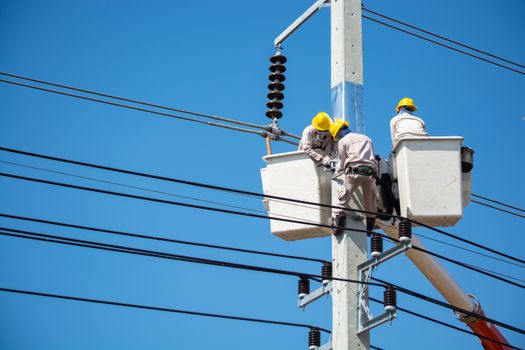
The work can take place in homes, offices, factories, warehouses, or active construction sites. It may require standing, climbing, kneeling, lifting materials, and working in hot, cold, noisy, or cramped environments. Electrical work also carries risks such as shocks, burns, and falls, so responsible employers emphasize training, protective equipment, and close supervision.
Is a Helper the Same as an Apprentice?
Not necessarily. An electrician helper is usually an entry-level employee who assists qualified workers. An electrical apprentice participates in a structured training program that combines paid job experience with technical instruction. Apprentices may receive scheduled wage increases and work toward recognized occupational credentials.
Some people start as helpers and later enter apprenticeship programs, but that progression is not automatic. Before accepting an offer, ask whether the position provides documented training hours, apprenticeship credit, classroom instruction, or a defined promotion path.
If your long-term goal is to become licensed, understanding the education and training path to becoming an electrician can help you judge whether a helper position supports that goal.
A Smarter Search for Local Openings
Searching only for “electrician helper jobs near me” may miss suitable openings because employers use different job titles. Expand your search to include:
- Electrical helper
- Entry-level electrical worker
- Electrician assistant
- Electrical trainee
- Electrical apprentice
- Construction electrical helper
- Commercial electrical helper
- Residential electrical helper
- Solar electrical helper
Add your city, county, ZIP code, or nearby metro area to each search. If you have reliable transportation, check communities within a realistic commuting distance. Electrical crews often report to changing jobsites, so a listing’s office address may not be the actual daily work location.
Do not depend entirely on large job boards. Search the websites of local electrical contractors, construction companies, manufacturers, school districts, hospitals, property management businesses, and staffing agencies specializing in skilled trades. Local union halls, workforce development offices, trade schools, and community colleges may also know which employers are hiring.
How to Recognize a Good Opening
A useful job posting explains what the worker will do, where the work occurs, and what qualifications are required. Look for clear information about the schedule, pay structure, employment status, benefits, travel expectations, tools, safety equipment, and training.
Pay attention to whether the employer offers:
- Regular supervision by qualified electrical workers
- Documented safety orientation and jobsite training
- A clear process for raises or advancement
- Opportunities to enter a registered apprenticeship
- Paid classroom instruction or tuition assistance
- Health insurance, retirement benefits, or paid leave
- Compensation for required travel between jobsites
- Employer-provided protective equipment
The U.S. Bureau of Labor Statistics overview of electrician careers notes that most electricians learn through apprenticeships, while some enter an apprenticeship after working as a helper. That makes the quality of the employer’s training and advancement options especially important.
What Qualifications Do Employers Usually Want?
Many helper positions are open to applicants without electrical experience, although requirements vary. Employers commonly prefer candidates with a high school diploma or equivalent, basic math ability, reliable attendance, and the physical ability to perform construction work.
A driver’s license and dependable transportation may be important because jobsites change. Employers may also require a background check, drug screening, or authorization to work in the United States. Some positions require applicants to be at least 18 because of jobsite rules or the equipment involved.
You can strengthen your application by mentioning experience with hand tools, warehouse work, maintenance, landscaping, mechanical repairs, construction, or other physically active jobs. Even without trade experience, examples of punctuality, teamwork, careful instruction-following, and safe work habits are valuable.
Tailor Your Application to the Trade
A short, focused resume is usually more effective than a generic one. Include relevant licenses, certifications, technical classes, and hands-on experience. If you have completed construction safety training, list the course and completion date accurately. Never claim electrical skills or credentials you do not have.
Use a brief application statement explaining why you want to enter the trade. Employers are often looking for someone who is dependable, willing to learn, and prepared for demanding work. Show that you understand a helper begins with basic tasks and earns greater responsibility through consistent performance.
Questions to Ask Before Accepting a Job
An interview is also your chance to evaluate the opening. Consider asking:
- Who will supervise me each day?
- What tasks do new helpers perform during their first few months?
- Is this a permanent, temporary, or project-based position?
- Are overtime, weekends, or overnight travel required?
- Do employees report to the shop or directly to jobsites?
- Who provides tools and personal protective equipment?
- Can helper hours count toward an apprenticeship or license requirement?
- What is the typical path from helper to apprentice?
- How are performance reviews and pay increases handled?
Licensing and apprenticeship rules vary by state and locality. If an employer promises that your hours will count toward a future credential, ask how those hours are recorded and verify the requirement with the appropriate state or local authority.
Watch for Warning Signs
Be cautious when a supposed employer asks for money before an interview, requests banking information too early, sends a check for equipment, or communicates only through informal messaging apps. Confirm that the business has a real address, working telephone number, and established presence.
A legitimate entry-level employer should not pressure an untrained helper to perform dangerous electrical work alone. Vague answers about supervision, payroll status, protective equipment, or wages deserve careful attention. Also clarify whether you will be an employee or an independent contractor, because that classification affects taxes, insurance, and workplace protections.
Choose the Opening That Builds Your Future
The nearest job is not always the best job. A slightly longer commute may be worthwhile if the employer provides stronger supervision, steadier hours, better safety practices, or a credible path into an apprenticeship.
When comparing electrician helper jobs near you, look beyond the starting wage. Consider what you will learn, who will train you, how consistently you will work, and whether the experience moves you toward your long-term goal. A well-chosen helper position can provide practical exposure to the trade while allowing both you and the employer to determine whether electrical work is the right career fit.