
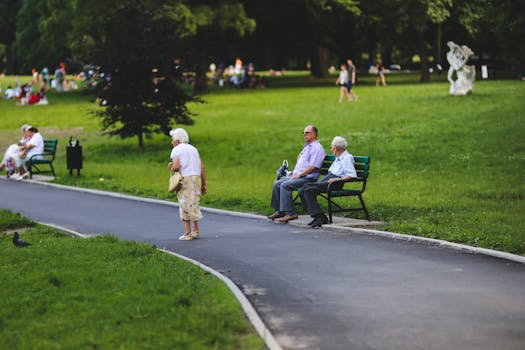
Embracing life’s adventures doesn’t have to stop as you age. In fact, your golden years are an ideal time to create a senior bucket list filled with experiences that can enrich your life and provide fulfilling memories. The idea of a bucket list is to compile activities and experiences that you’ve always wanted to try. Whether it’s traveling to a new destination, learning a new skill, or simply spending more quality time with family, a senior bucket list can help you focus on living life to its fullest.
Creating Your Senior Bucket List
When crafting your senior bucket list, it’s important to take into consideration your interests, physical abilities, and health factors. There’s no need to include skydiving if you’re afraid of heights, but feel free to add a culinary class if you’ve always been a foodie at heart. Here are some categories to consider while building your list:
- Travel Destinations: Experiencing different cultures can offer a new perspective on life. Consider local and international destinations that you’ve dreamed of visiting.
- Learning Opportunities: Enroll in a class to learn a new language, instrument, or skill. You might find free courses that can support your interests, such as the Certificate IV in Aged Care and Disability.
- Outdoor Adventures: Explore nature through activities like hiking, bird watching, or even fishing. These can be incredibly relaxing and rewarding.
- Culinary Experiences: Try new cuisines that expand your palate or take a cooking class to recreate dishes you love.
- Giving Back: Volunteering can provide a sense of purpose and connection with your community.
Travel and Exploration
Traveling can be a restorative and eye-opening experience. Popular destinations for seniors often include places that provide both adventure and relaxation. Consider a cruise, which offers stability while visiting multiple locations, or a guided tour where all the details are planned for you.
An excellent way to plan a travel-focused item on your senior bucket list is to consider what kind of trip excites you most. Would you prefer exploring ancient ruins, basking on a tropical beach, or exploring bustling cities? Whatever you choose, make sure it aligns with your health needs. You can consult resources like the Wikipedia Education page to learn more about educational tourism opportunities.
Continuous Learning
Learning doesn’t have to stop as we age. The process of acquiring new knowledge can improve mental agility and keep you engaged. Universities and local community centers often offer courses tailored to seniors. You can learn a new hobby or skill, like painting, writing, or a new language, which can add a rich dimension to your life.
For those interested in continued education with practical applications, check out local or online courses. This can be part of a free or affordable educational experience, augmenting your lifelong learning journey.
Outdoor Adventures
Nature provides an ideal setting for adventure, tranquility, and physical activity. Activities like hiking, camping, nature trails, and even simple walks through local parks can provide immense joy. They are also flexible enough to adapt to varying physical capabilities, ensuring everyone can participate comfortably.
Setting specific goals like visiting national parks or botanical gardens can enhance this aspect of your senior bucket list. Engaging with nature not only offers relaxation but also promotes overall well-being and health.
Culinary Discoveries
Food is not just a necessity but an experience to be savored. Delve into culinary exploration by attending cooking classes, visiting renowned restaurants, or trying new recipes at home. This can be a shared activity with loved ones, turning it into a social affair.
Alternatively, joining a food tour in a new city can combine travel and culinary interests, delivering double the adventure. Focus on regional specialties or cuisines you’ve never tried before, expanding your cultural and sensory experiences simultaneously.
Volunteering and Community Involvement
Volunteering is a rewarding and impactful way to spend your time. It offers the chance to meet new people, learn new skills, and make meaningful contributions to society. Organizations often welcome the unique perspectives and experiences seniors bring to their initiatives.
Consider searching for local volunteer opportunities in areas such as tutoring, mentoring, community gardening, or working at an animal shelter. The act of giving back can provide a sense of accomplishment and satisfaction that enriches your golden years.
Health and Safety Considerations
When planning your senior bucket list, it’s crucial to take your health and safety into account. Consider any physical limitations and consult with healthcare providers if necessary when setting active or travel-oriented goals. The key is to approach these plans with flexibility and attention to personal well-being.
Balancing your aspirations with pragmatic considerations will ensure your experiences are not only functional but also enjoyable. Prioritize activities that enhance your quality of life without compromising your safety.
By embracing a mindset of curiosity and adventure, your senior bucket list can become a roadmap to a fulfilling future, allowing you to savor every moment and cherish every memory made.
- Create a senior bucket list tailored to your interests and capabilities.
- Travel, learn, explore nature, and try culinary experiences that excite you.
- Engage in volunteering to give back to your community effectively.
- Ensure health and safety are a priority when planning activities.
- Make flexible, adaptable plans for life enrichment and satisfaction.
What should seniors include on their bucket list?
The ideal senior bucket list will vary for each individual but should include activities that are meaningful, fulfilling, and appropriate for their lifestyle and health. Common ideas range from travel, cultural experiences, to volunteering and continuous learning.
How can seniors safely pursue adventurous activities?
Seniors should choose activities suited to their physical health and consult their healthcare providers as needed. It’s important to consider travel insurance and to partner with reputable tour groups or guides for safety when traveling.
Are there learning opportunities specifically for seniors?
Yes, many educational institutions and community centers offer courses designed for seniors, covering topics from art and technology to languages and music. These courses can be a great way to keep mentally active and socially engaged.
How does volunteering benefit seniors?
Volunteering can enhance seniors’ health by providing a sense of purpose, improving social connections, and often being physically engaging. It is a way to share life skills and experiences while benefiting the community.
Should seniors focus more on local or international travel?
This depends on personal health, preferences, and budget. Local travel can offer less logistical stress, while international travel offers unique cultural experiences. A blend of both can provide a well-rounded experience while enriching personal narratives.

