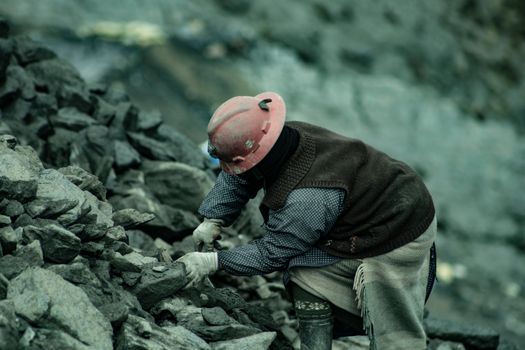
Mining jobs have long been a cornerstone of various economies, providing numerous opportunities for individuals seeking exciting and rewarding careers. Though often associated with rugged terrain and physically demanding work, mining jobs also offer positions in engineering, environmental management, and cybersecurity. This diverse field is more accessible than one might think and offers numerous paths for those interested in exploring its potential.
Understanding the Landscape of Mining Jobs
Mining jobs encompass a wide range of roles, each offering unique challenges and rewards. Beyond traditional roles like miners and drillers, the industry requires geologists, engineers, and IT specialists. These roles ensure the safe, efficient, and responsible extraction of mineral resources. Let’s delve into some key areas within mining jobs.
Technical and Engineering Roles
Engineers in mining play a critical role in designing mines, overseeing operations, and ensuring safety. Various engineering disciplines are involved, including mechanical, electrical, and civil engineering. These roles typically require strong analytical skills and a commitment to continuous learning, especially as technology advances.
Environmental and Safety Management
As ecological concerns grow, mining companies increasingly prioritize sustainable practices. Environmental managers work to minimize ecological impact, ensuring compliance with regulations and enhancing reclamation efforts. Safety managers are equally vital, focusing on risk assessment and incident prevention to protect workers.
Information Technology and Cybersecurity
With automation and digitalization transforming the mining industry, cybersecurity and IT professionals are in high demand. These roles focus on developing secure digital infrastructures and protecting sensitive data from cyber threats. This growing area offers opportunities for tech-savvy individuals looking to innovate within mining jobs.
Operational and Skilled Trade Positions
Mining operations rely heavily on skilled tradespeople, such as drill operators and heavy machinery technicians. These roles are crucial for the day-to-day functioning of a mine, requiring expertise and precision under challenging conditions. Opportunities for advancement often depend on experience and additional training.
The Evolving Technologies in Mining
The mining sector is progressively incorporating advanced technologies, revolutionizing how operations are conducted. New tools and methods aim to enhance safety, increase productivity, and reduce environmental impact.
Automation and Robotics
Automation in mining is not only a means to improve efficiency but also a strategy to enhance safety by reducing human exposure to hazardous conditions. Robotics are increasingly used for tasks like drilling and mineral transport, illustrating the sector’s commitment to modernization.
Sustainable Practices and Green Technology
Adopting sustainable techniques is essential in modern mining jobs. From reducing carbon footprints to implementing zero-waste initiatives, environmental responsibilities are becoming key performance indicators for mining enterprises.
Data Analytics and Digital Tools
The use of big data and real-time analytics drives smarter decision-making in mining. Digital twins and geospatial technologies are among the tools used to optimize operations, forecast resource outputs, and streamline management processes.
For those wanting to explore which jobs in mining and other industries can offer substantial earnings, consider reading more about opportunities via this comprehensive guide to lucrative careers.
Navigating Your Career in Mining Jobs
If you’re considering a career in mining, understanding the necessary steps and education required can help map your journey. While some roles require specific degrees, others allow on-the-job training or trade certifications.
Educational Pathways
Prospective mining engineers often need a bachelor’s degree in engineering or a related field. Environmental roles may require degrees in earth sciences, while IT positions might demand computer science qualifications. Fortunately, many educational institutions offer tailored programs to meet these needs. For a more general overview of education and career planning, the Wikipedia page on Education offers a wealth of information.
Certification and Licensing
Certain positions may require additional certifications, such as professional engineering licenses or safety management credentials. These certifications attest to your expertise and can significantly enhance career prospects.
Gaining Experience and Networking
Practical experience gained through internships or entry-level positions is invaluable in the mining industry. Networking with industry professionals can also lead to mentorship opportunities and job leads.
Mining jobs provide a diverse range of career prospects for those willing to explore them. As the industry evolves, opportunities continue to expand, urging individuals to innovate and drive forward sustainable practices. Embracing the shifts in technology and focusing on continuous improvement can pave the way for a fulfilling career.
- Mining jobs offer roles in various disciplines, including engineering and IT.
- The industry is modernizing, focusing on automation and sustainable practices.
- Educational pathways are crucial for advancing in specific mining careers.
- Networking and certifications enhance job prospects in this field.
- Continuous learning is essential to thrive in the evolving mining sector.
What qualifications are needed for mining jobs?
The qualifications vary based on the position. Engineering roles typically require a bachelor’s degree in engineering, while environmental and IT roles may necessitate degrees in earth sciences or computer science. Trade roles may require certifications or apprenticeships.
Are mining jobs available worldwide?
Yes, mining jobs are globally available, with significant opportunities in countries rich in mineral resources like Australia, Canada, and South Africa. Each region has specific requirements and regulations, so it’s important to research thoroughly.
How is technology changing mining jobs?
Technology is transforming mining through automation, data analytics, and digital tools, improving efficiency and safety. These advancements are creating new roles and requiring current workers to adapt to new technologies.
What are the environmental considerations in mining?
Environmental managers focus on minimizing the impact of mining activities, using sustainable practices to reduce carbon emissions and promote land reclamation. Strict regulations guide these efforts to ensure ecological preservation.
How can one start a career in mining?
Starting a career in mining typically involves obtaining the appropriate education or certifications, gaining practical experience through internships or entry-level roles, and proactively networking within the industry for job opportunities.