
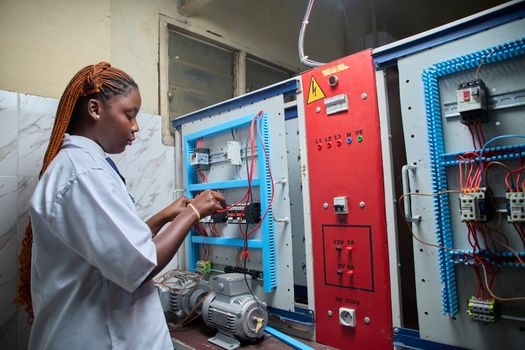
Electrical engineers are central to the myriad technological advancements shaping our modern world. When considering what do electrical engineers do, one might envisage them designing complex machinery, developing innovative solutions for everyday problems, and driving the future of electronics. This unique blend of creativity and technical prowess makes electrical engineering a field that is both challenging and rewarding.
What Do Electrical Engineers Do?
Electrical engineers play a crucial role across various industries, contributing to projects that range from developing consumer electronics to advancing renewable energy technologies. Their tasks often involve designing electrical circuits, improving communication systems, and ensuring efficient operation of electrical equipment. By working closely with other engineers, they ensure that the systems meet the required specifications and are reliable for use.
Roles and Responsibilities
An electrical engineer’s responsibilities can vary widely depending on their area of specialization. Common duties include:
- Designing electrical systems and components such as semiconductors, microchips, and software for electronic devices.
- Analyzing and implementing new technologies to improve existing systems.
- Testing prototypes and final products to ensure functionality and safety.
- Collaborating with other professionals, like software engineers, on multidisciplinary projects.
- Writing reports and documentation to support product development and maintenance.
Industries Employing Electrical Engineers
Yet, understanding the many sectors employing electrical engineers can provide insights into their versatile nature. Some key industries include:
- Consumer Electronics: Engineers design and develop gadgets such as smartphones, tablets, and home appliances, ensuring they are not only cutting-edge but also user-friendly.
- Telecommunications: By optimizing networks, they enhance the infrastructure required for cellular and internet communication.
- Power Generation: Engineers are at the forefront of developing sustainable energy solutions, advancing technologies like solar panels and wind turbines.
- Automotive: In the rapidly evolving electric vehicle sector, electrical engineers innovate battery designs and electrical systems.
- Aerospace: Contributing to the design of aircraft and spacecraft, electrical engineers help ensure these vehicles are safe and efficient.
Skills Required for Electrical Engineers
To thrive in this dynamic field, electrical engineers must possess a blend of technical and soft skills, including:
- Strong Analytical Skills: Ability to understand complex systems and identify areas for improvement.
- Problem-Solving: Innovative thinking is crucial for designing and optimizing electrical systems.
- Attention to Detail: Ensures accuracy in design documentation and error-free prototypes.
- Communication: Essential for collaboration with multidisciplinary teams and stakeholder management.
- Proficiency in Software Tools: Familiarity with CAD software and other engineering tools is essential.
Education and Career Path
Electrical engineering is a field that demands a solid educational foundation and continuous learning. A bachelor’s degree in electrical engineering or a related discipline is typically required for entry-level positions. Many engineers pursue graduate studies to specialize further, or to transition into academia. Also, professional licenses and certifications can enhance career prospects, demonstrating an engineer’s expertise and commitment to the field.
The Future of Electrical Engineering
The future is bright for electrical engineers, with their skills becoming increasingly indispensable. From integrating AI with electronic systems to pioneering autonomous vehicle technologies, the opportunities for innovation are boundless. Sustainability remains a key focus, with electrical engineers spearheading efforts to integrate green technologies and enhance energy efficiency.
In summary, the question of what do electrical engineers do encompasses a broad spectrum of roles and responsibilities vital to technological and societal evolution.
- Electrical engineers are vital to numerous industries, from electronics to aerospace.
- Key skills include problem-solving, analytical abilities, and technical proficiency.
- A bachelor’s degree is essential for aspiring electrical engineers, with further specialization enhancing career prospects.
- Industry demand for electrical engineers continues to grow, driven by technological advancements.
- Opportunities in sustainable energy and AI integration are particularly promising.
FAQ
What is the main role of electrical engineers?
Electrical engineers primarily design, develop, and oversee the production of electrical equipment and systems. They contribute to advancements in a variety of industries, including telecommunications, power generation, and consumer electronics.
How do electrical engineers contribute to green technology?
Electrical engineers are at the forefront of developing sustainable energy solutions, such as solar panels and energy-efficient systems. Their innovation in this area helps reduce carbon footprints and promotes renewable energy adoption.
What skills are important for success as an electrical engineer?
Crucial skills for electrical engineers include analytical thinking, effective problem-solving, and strong communication abilities. Proficiency in specialized software tools and a keen attention to detail are also important.
What educational background is needed for electrical engineering?
A bachelor’s degree in electrical engineering or a related field is typically necessary for entry-level positions. Advanced roles may require further study or specialization, and professional certifications can enhance career opportunities.
Which industries employ the most electrical engineers?
Industries employing a significant number of electrical engineers include consumer electronics, aerospace, telecommunications, and automotive sectors. These fields offer diverse roles and opportunities for innovation and development.

