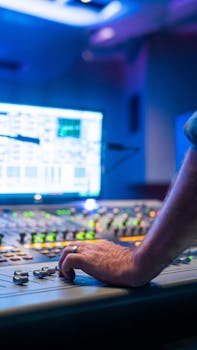
The music industry relies on a wide array of professionals to bring sound alive and create the auditory experiences that captivate listeners worldwide. Among these vital roles is that of the sound engineer. So, what do sound engineers do? At their core, sound engineers are the architects of audio, responsible for capturing, mixing, and optimizing recordings and live performances. Whether working in studios, concert halls, or any other venue that demands pristine sound reproduction, their skills are essential to the production of music that meets the highest standards.
What Do Sound Engineers Do?
Sound engineers have a multifaceted job that includes managing sound equipment, overseeing recording sessions, and ensuring the highest quality of sound output. Their responsibilities vary depending on the setting.
Studio Recording
In the studio, sound engineers collaborate with artists and producers to capture sound and music. They set up microphones, calibrate equipment, and manage the mixing console. Understanding acoustics and microphone techniques is crucial to capturing the nuances of instruments and voices. They also edit and mix recordings, balancing elements like vocals, drums, and instruments to produce a cohesive final product.
Live Sound
For live performances, sound engineers handle the sound reinforcement system, ensuring that the music reaches the audience with clarity. They manage the challenges of different venues, each with unique acoustical demands. This includes adjusting the sound mix on the fly and responding to feedback or distortion. They also collaborate with performers and event organizers for seamless transitions and sound levels tailored for the venue acoustics.
Broadcast and Media Production
Sound engineers play a critical role in broadcast media, including television and radio. They ensure that audio matches the visual content and adheres to broadcasting standards. This includes tasks like audio leveling, sound design, and implementing special effects. Understanding synchronization is key to maintaining audio-video alignment, a crucial aspect of media production.
The Skills and Technology in Sound Engineering
The role of a sound engineer requires a unique blend of technical expertise and creative insight. They must have an in-depth understanding of sound recording and reproduction technology. Familiarity with digital audio workstations (DAWs) and mastering audio software is essential. Given the rapid advancements in technology, continuous learning and adaptation are necessary to stay ahead in the field.
Education and Career Pathways
Becoming a sound engineer typically involves formal education in audio engineering or a related field. Many institutions offer degrees or certification programs that cover the technical aspects of audio production. In addition to formal training, practical experience gained through internships, apprenticeships, or entry-level positions is invaluable. Aspiring sound engineers should develop strong communication skills and a good ear for sound.
For those interested in exploring related fields, an array of online courses is available, offering opportunities to broaden scientific knowledge, which can sometimes lead to innovative sound engineering solutions.
Challenges Faced by Sound Engineers
Despite its artistic elements, sound engineering is not without challenges. Engineers often work long hours and must meet tight deadlines, particularly during live events. Handling stress and maintaining focus amidst chaotic conditions are part of the job. They also need to keep up with new industry trends, evolving equipment, and emerging audio technologies.
The Impact of Sound Engineers on the Music Industry
Sound engineers have a profound impact on music production. By creating dynamic soundscapes, they enable artists to convey emotion and storytelling through audio. Their work ensures that every note and nuance is heard as intended, which is essential for delivering memorable and emotive content to the audience.
Ultimately, sound engineers play an indispensable role in the music industry. Their expertise not only enhances the quality of sound but also helps shape the music landscape as a whole.
For more detailed information on sound engineering career prospects, you can visit this educational background resource.
Conclusion
Understanding what do sound engineers do highlights the intricate and vital work these professionals perform. Their contributions to recording studios, live events, and media productions are indispensable, ensuring the highest quality of sound reaches audiences worldwide. As technology continues to advance, sound engineers will remain at the forefront, navigating new challenges and pushing the boundaries of audio artistry.
- Sound engineers are crucial to audio production and live events.
- They work in recording studios, live sound settings, and broadcast media.
- Proper training and continuous learning are vital for their success.
- They face the challenges of tight schedules and staying updated with technology.
- Their role deeply impacts the music industry and audio experiences globally.
FAQ
What education is required to become a sound engineer?
Most sound engineers have formal education in audio engineering or related fields. Degrees and certifications cover technical and creative aspects, essential for a successful career.
Do sound engineers only work in music production?
While music production is a significant area, sound engineers also work in television, film, radio, and live events, handling all aspects of sound design and engineering.
What is the difference between a sound engineer and a producer?
A sound engineer focuses on the technical aspects of recording and mixing audio, whereas a producer oversees the entire production process, making artistic and managerial decisions.
What skills are crucial for sound engineers?
Technical skills in audio software, a good ear for sound, problem-solving abilities, and strong communication skills are vital for sound engineers.
How do sound engineers contribute to live performances?
During live performances, sound engineers ensure that sound is clear and balanced for the audience. They manage the equipment and address any sound issues that arise.