
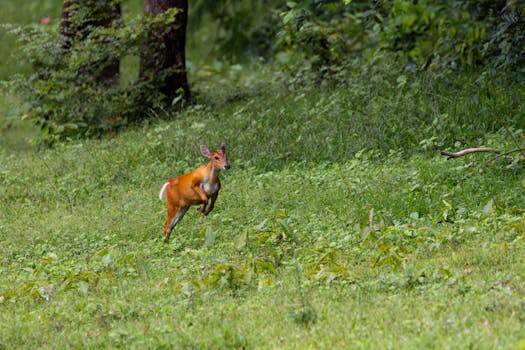
For aspiring wildlife photographers or those curious about the profession, understanding the potential earnings is a crucial step in career planning. The wildlife photographer salary can vary significantly based on factors like experience, location, and the niches within wildlife photography one chooses to explore. This article delves into the earnings landscape for wildlife photographers, equipping you with the knowledge to navigate this adventurous career path effectively.
Understanding the Wildlife Photographer Salary
The wildlife photographer salary landscape is diverse, with photographers earning anywhere from minimal amounts to substantial incomes, depending on their expertise and market reach. Many wildlife photographers work as freelancers, selling photographs to magazines, stock photo agencies, and individual clients. Others may find employment with agencies or organizations focused on conservation efforts.
The range of earnings varies; beginners might earn modest rates per shoot or per photo, while more experienced photographers can command higher fees. Those with an established reputation and a strong portfolio can potentially earn six-figure salaries through various income streams, including print sales, exhibitions, workshops, and books.
Factors Affecting Earnings
Numerous factors influence how much a wildlife photographer makes. Below are some critical elements that can impact earnings:
- Experience and Skill Level: As with many professions, more experience usually translates to higher earnings. Skilled photographers often have the upper hand in getting higher-paying gigs.
- Geographical Location: Operating in regions with abundant wildlife can afford more opportunities for impactful photographs and higher earnings.
- Network and Reputation: Building a solid reputation and networking with editors, gallery owners, and other photographers can lead to more lucrative opportunities.
- Market Trends: Understanding the current trends and demands in wildlife photography can help photographers tailor their work to what buyers are looking for.
Earning Avenues for Wildlife Photographers
Wildlife photographers often have multiple streams of income:
- Photo sales: Selling prints or digital copies to individuals, publications, or stock agencies.
- Workshops and Tours: Conducting photography workshops and tours to teach others can be a significant income source.
- Books and Exhibitions: Publishing photo books or holding exhibitions offer additional revenue streams and help in building a brand.
- Grants and Competitions: Winning competitions or obtaining grants can financially aid projects and increase professional visibility.
For more insights into careers that balance passion and income potential, consider exploring our guide to jobs that can earn you 80k a year.
Challenges in Wildlife Photography
While the profession can be rewarding, wildlife photographers face several challenges. These include the financial instability of freelance work, the physical demands of photographing in remote locations, and the competition in the field. Adapting to rapid technological changes and staying updated with the latest photography gear and techniques can also be demanding.
Skills Required for Success
A successful wildlife photographer combines technical proficiency with a keen understanding of animal behavior and ecosystems. A strong foundation in digital photography, including camera handling, post-processing, and editing software, is essential. Moreover, patience and perseverance are vital in capturing the perfect shot.
The Path to Becoming a Wildlife Photographer
Starting a career in wildlife photography requires dedication and an initial investment in quality equipment. Networking through wildlife photography communities, attending workshops, and building a diverse portfolio are critical steps. Aspiring photographers should consider internships or volunteer opportunities with conservation organizations to gain practical experience.
Market Outlook and Potential for Growth
The market for wildlife photography is steadily growing, especially with increasing global attention on conservation and environmental issues. The demand for unique, high-quality wildlife imagery for campaigns, publications, and documentaries continues to rise. As such, with the right strategy, wildlife photographers can expect expanded opportunities in the coming years.
For further information on the art and business of photography, check out resources like this wildlife photography Wikipedia page.
Understanding the wildlife photographer salary landscape can facilitate informed decisions about pursuing this career path. By selecting the right niches and channels, wildlife photographers can craft viable and rewarding careers that align with their passion for nature and conservation.
- The wildlife photographer salary can vary vastly based on experience and skills.
- Multiple income streams, including workshops and photo sales, boost earnings.
- Networking and reputation are crucial in securing lucrative opportunities.
- The market for wildlife photography is growing, with increased attention to conservation.
- Success requires technical skills in photography and an understanding of wildlife behavior.
Frequently Asked Questions
How much does a wildlife photographer typically earn?
Earnings vary widely; some earn modest amounts, while highly experienced photographers can earn six-figure incomes through diversified income streams.
Do wildlife photographers work in full-time roles?
Most wildlife photographers work as freelancers, but some may find full-time roles with conservation agencies or media organizations.
What skills are essential for wildlife photographers?
Key skills include technical photography skills, patience, understanding of wildlife behavior, and business skills for managing careers effectively.
Are there opportunities for growth in wildlife photography?
Yes, the demand for wildlife imagery is growing, particularly with increased attention on environmental conservation, providing numerous opportunities for expansion.
What are common challenges in wildlife photography?
Challenges include financial instability, competition, physical demands of shooting in remote locations, and the need to stay updated with technological advancements.

